What Benefits Does CNC Offer for Complex Superalloy Geometries?
Unmatched Geometric Freedom and Precision
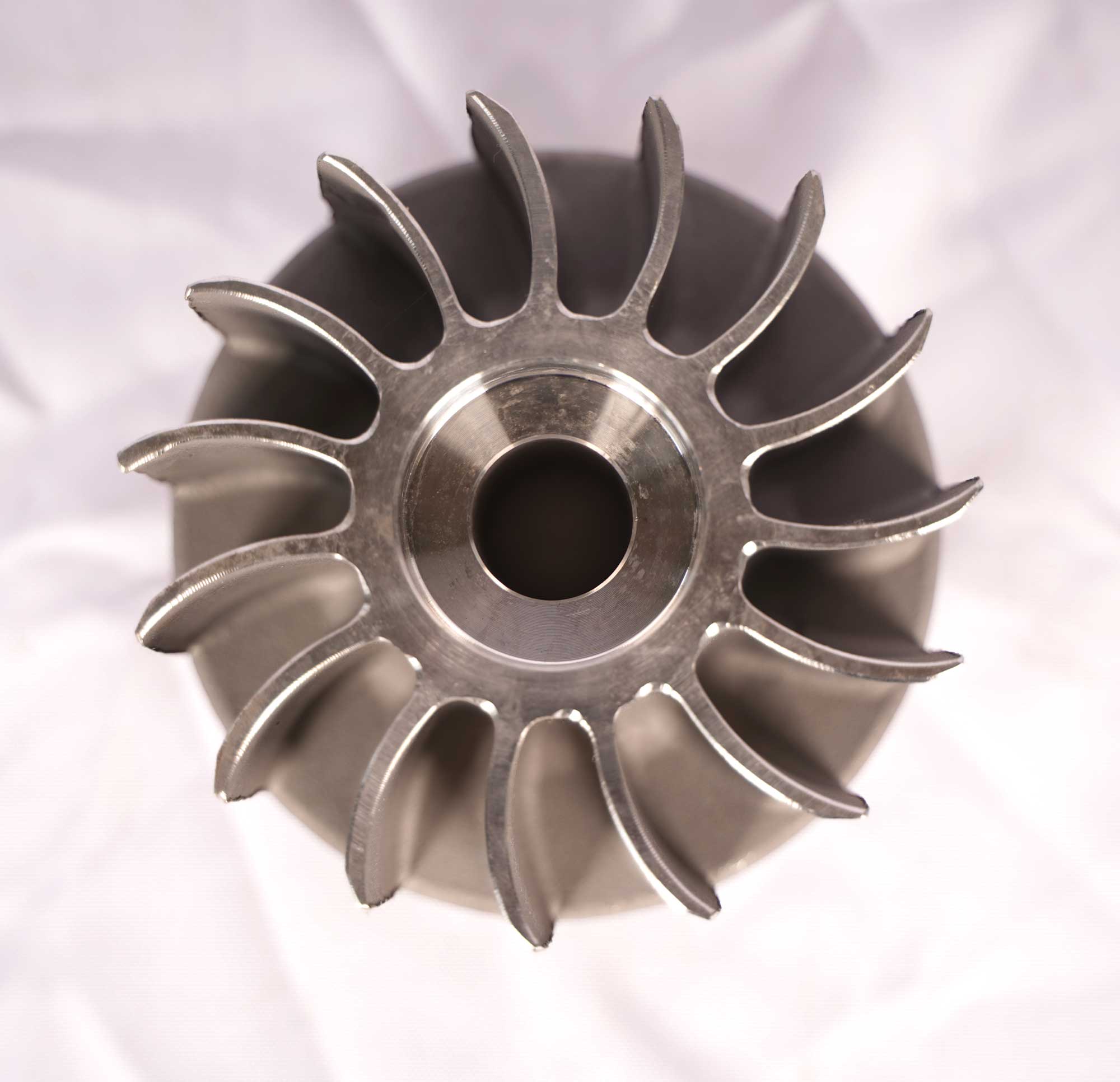
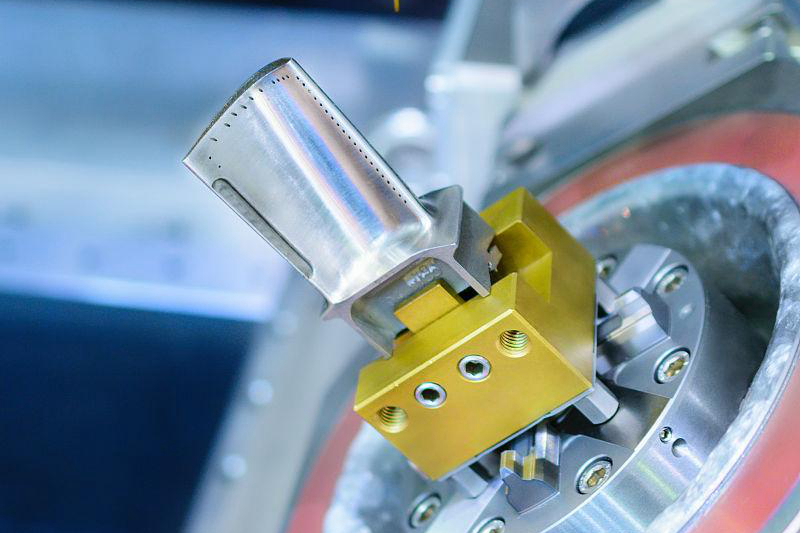
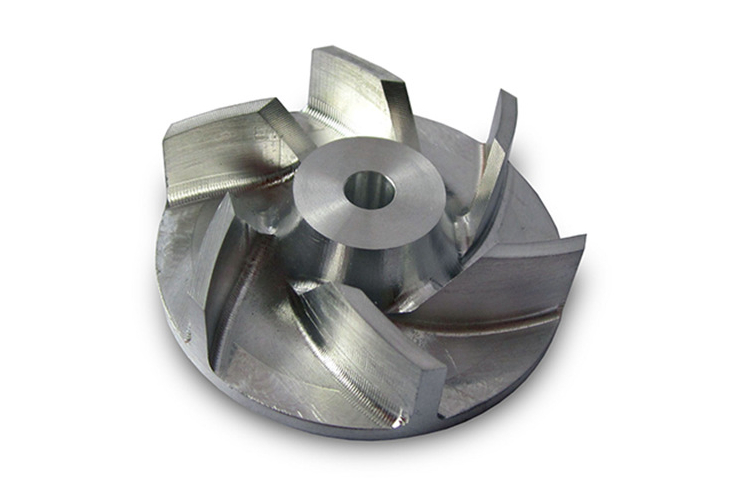
CNC machining offers unparalleled benefits for creating complex superalloy geometries that are impossible to achieve through conventional manufacturing. Multi-axis CNC systems (5-axis and above) can continuously manipulate the cutting tool to approach the workpiece from virtually any direction in a single setup. This capability is essential for producing intricate features common in aerospace components, such as:
Twisted turbine blades with varying airfoil profiles
Complex internal cooling channels within single crystal castings
Thin-walled structures with compound curvatures
Precise volutes and diffusers for compressors
This geometric freedom enables engineers to design optimized components for maximum efficiency in aerospace and aviation applications without being constrained by manufacturing limitations.
Maintaining Integrity in Hard-to-Reach Areas
For complex superalloy components, CNC machining maintains material integrity in geometrically challenging areas where other processes fail. The programmed toolpaths ensure consistent cutting forces and thermal management throughout the entire geometry, preventing localized work hardening or thermal damage. Specialized techniques like superalloy deep hole drilling can create high-aspect-ratio cooling channels with exceptional straightness and surface finish in materials like Inconel 718, while 5-axis simultaneous machining can profile entire blade surfaces without repositioning, ensuring perfect continuity of aerodynamic surfaces.
Seamless Integration with Advanced Manufacturing Workflows
CNC machining perfectly complements other advanced manufacturing processes for complex geometries. It serves as the critical finishing step for near-net-shape components produced through vacuum investment casting or superalloy 3D printing, adding precise datum features, tight-tolerance mating surfaces, and fine details that cannot be achieved in the primary process. After critical post-processes like HIP and heat treatment, CNC machining restores dimensional accuracy to these now-stabilized complex geometries, ensuring they meet final specifications.
Enabling Design Iterations and Rapid Prototyping
For development of complex superalloy components, CNC machining provides the flexibility to quickly iterate designs without the lead time and cost of creating new molds or patterns. This is particularly valuable when refining cooling channel layouts, optimizing structural members, or validating new aerodynamic profiles. The digital nature of CNC programming allows engineers to make design changes that are immediately reflected in the manufactured part, significantly accelerating the development cycle for critical components in power generation and other high-tech industries.