What Gas Turbine Models Use Metallic Heat Shields Like SGT5-4000F MHS Tiles?
What Gas Turbine Models Use Metallic Heat Shields Like SGT5-4000F MHS Tiles?
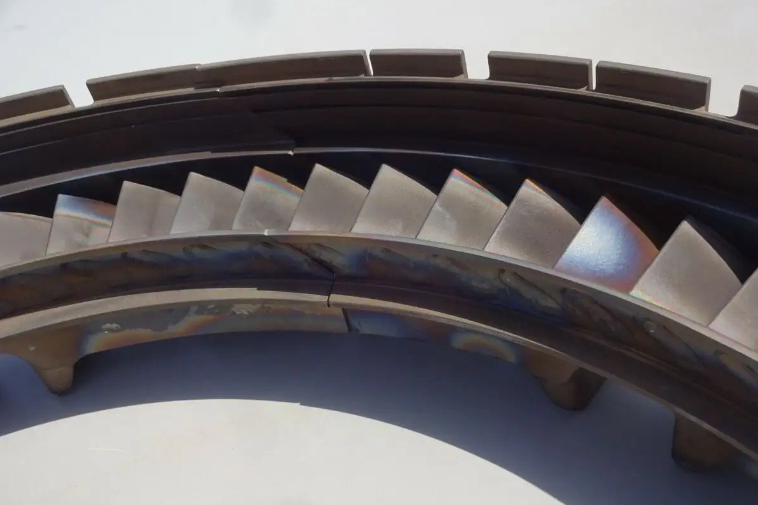
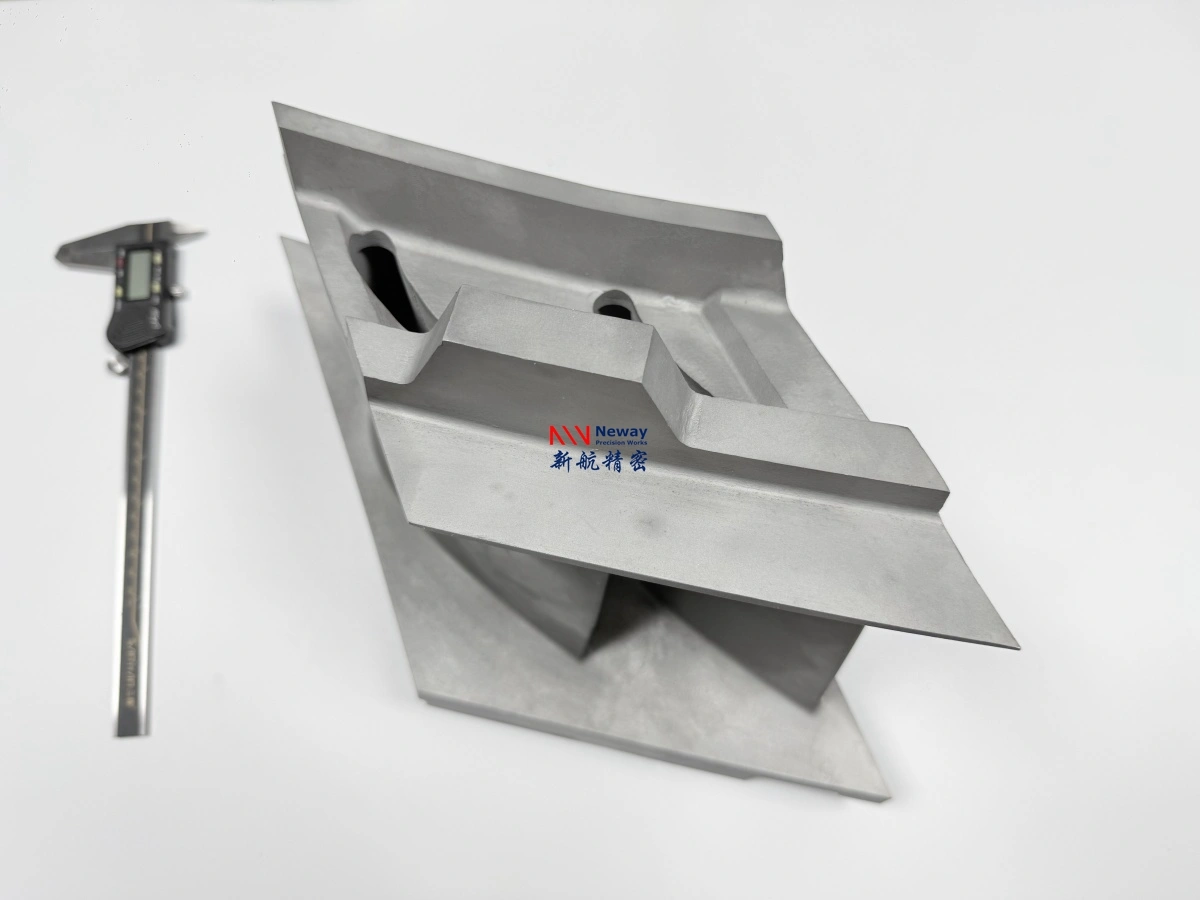
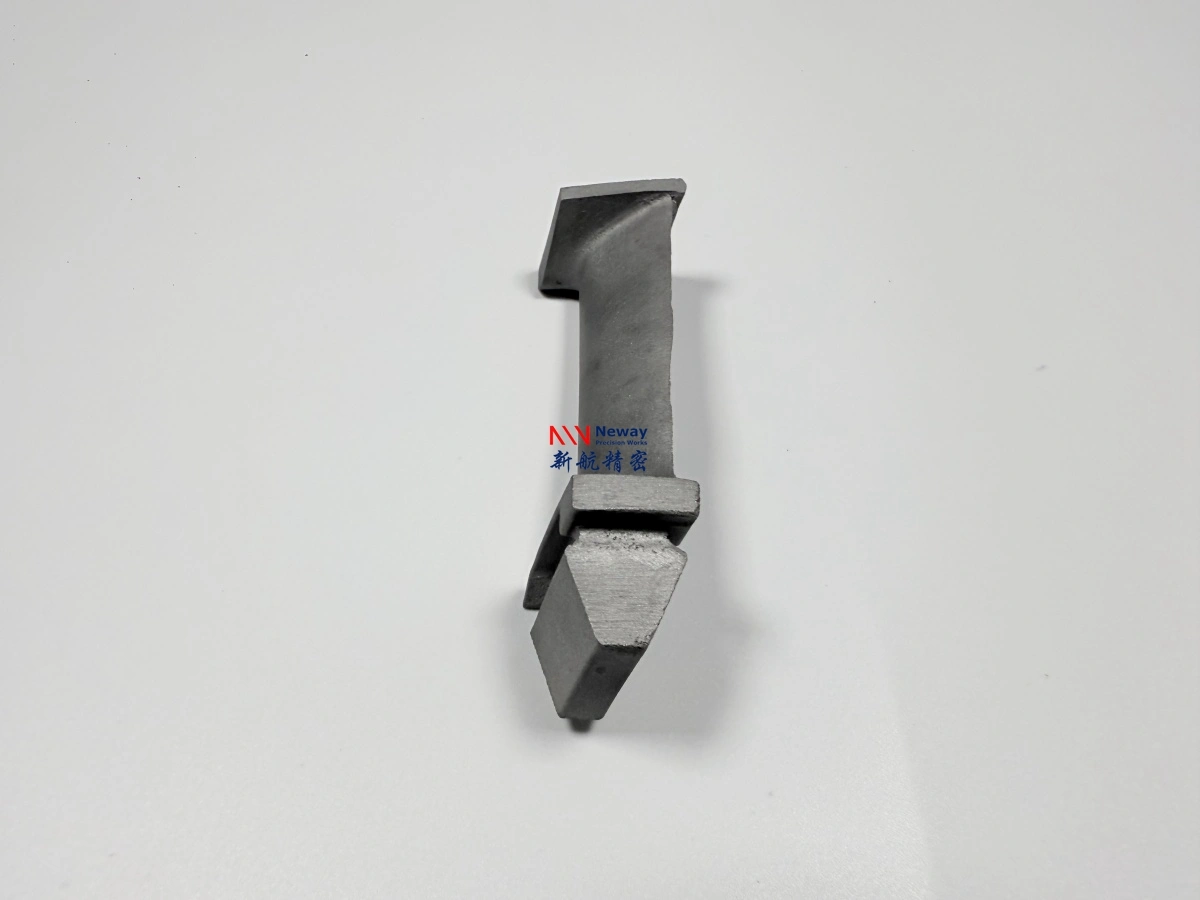
Metallic heat shields, also called MHS tiles, metallic tiles, or hot gas path heat shield segments, are commonly used in heavy-duty industrial gas turbines such as the SGT5-4000F and similar F-class gas turbine platforms. These components protect the combustor, transition area, hot gas path, casing-adjacent structures, and surrounding metallic assemblies from direct high-temperature combustion gas exposure.
For high-temperature gas turbine applications, MHS tiles are often produced from nickel-based Superalloys such as Inconel alloy. In many replacement and repair projects, the final manufacturing route may include casting, CNC machining, EDM, coating preparation, and dimensional inspection before the component is approved for turbine service.


1. Direct Answer: Which Gas Turbines Use Metallic Heat Shields?
Heavy-duty industrial gas turbines, especially F-class and similar combined-cycle gas turbine platforms, commonly use metallic heat shields in hot-section areas. The SGT5-4000F is one representative example where metallic heat shield tiles can be used to protect structures exposed to high-temperature combustion gas and repeated thermal cycling.
Gas Turbine Category | Typical MHS Application Area | Why Metallic Heat Shields Are Needed |
|---|---|---|
F-class heavy-duty gas turbines | Combustor liner area, transition section, hot gas path, and adjacent casing structures. | Protects load-bearing structures from direct heat, oxidation, and thermal fatigue. |
Combined-cycle power generation turbines | High-temperature flow path and combustion-side protection zones. | Supports long operating hours, start-stop cycles, and scheduled maintenance intervals. |
Industrial gas turbines | Heat-exposed shield panels, tiles, segments, and protective liners. | Reduces thermal load on surrounding metallic structures. |
Large-frame power turbines | Combustion and turbine inlet transition regions. | Improves durability in high-temperature gas flow and cyclic operation. |
2. How Are SGT5-4000F MHS Tiles Used?
The SGT5-4000F is a large-frame gas turbine platform used in heavy-duty power generation and combined-cycle power plants. In this type of turbine, hot-section components must withstand high gas temperature, thermal gradients, vibration, oxidation, and repeated start-stop cycles. Metallic heat shields act as protective barriers between hot combustion gas and structural turbine hardware.
For SGT5-4000F MHS tile projects, manufacturing is usually not limited to simple metal forming. A typical production route may require Special Alloy Casting, controlled machining, EDM features, and surface preparation for thermal protection. When Inconel 738LC or similar nickel-based superalloy is specified, both casting quality and post-casting dimensional control become important for reliable installation.
3. What Similar Turbine Platforms Use Metallic Tiles?
Metallic heat shield tiles are not limited to one turbine model. Similar protective components can be found in Siemens F-class turbines, other large-frame industrial gas turbines, and power-generation turbine platforms that operate under high combustion temperatures. The exact geometry, alloy, coating, attachment method, and inspection requirements vary by OEM design and turbine model.
Platform Type | Possible Heat Shield Component Names | Typical Buyer Search Intent |
|---|---|---|
SGT5-4000F and similar Siemens F-class turbines | MHS tiles, metallic heat shields, metallic tiles, heat shield segments. | Find replacement tile manufacturers or evaluate repair-part manufacturing feasibility. |
Heavy-duty combined-cycle turbines | Combustor heat shields, transition heat shields, hot gas path shields. | Identify suppliers for high-temperature replacement parts. |
Industrial power generation turbines | Protective liners, shield plates, thermal protection segments. | Confirm material, casting process, coating, and inspection requirements. |
Custom turbine retrofit or repair programs | Reverse-engineered heat shield tiles or replacement MHS segments. | Develop parts from old samples, drawings, 3D scans, or damaged components. |
4. Why Do Heavy-Duty Gas Turbines Need MHS Tiles?
Heavy-duty gas turbines need MHS tiles because hot-section areas are exposed to high-temperature gas, thermal shock, oxidation, and cyclic stress. Metallic heat shields absorb and manage part of this thermal load, helping protect nearby turbine structures from overheating, distortion, cracking, and premature degradation.
In many designs, the heat shield is a replaceable wear or life-management component. Instead of allowing the main structural casing or surrounding hardware to suffer direct thermal damage, the turbine uses metallic tiles that can be inspected, replaced, refurbished, or upgraded during maintenance intervals.
MHS Function | Engineering Purpose | Manufacturing Impact |
|---|---|---|
Thermal protection | Reduces heat transfer to surrounding turbine structures. | Requires heat-resistant superalloy and stable wall thickness control. |
Oxidation resistance | Improves durability in hot gas and combustion environments. | Requires suitable alloy selection and surface condition control. |
Dimensional stability | Maintains fit during thermal cycling and service exposure. | Requires casting deformation control, machining datums, and inspection. |
Maintenance replacement | Allows worn or damaged tiles to be replaced during overhaul. | Requires accurate reverse engineering, repeatable tooling, and quality records. |
5. What Materials Are Used for Metallic Heat Shields?
Metallic heat shields for heavy-duty gas turbines are commonly made from high-temperature nickel-based superalloys. Inconel 738LC is a typical candidate for cast hot-section components because it offers high-temperature strength, oxidation resistance, and creep resistance suitable for demanding turbine environments.
For cast MHS tiles, Equiaxed Crystal Casting is often suitable for static hot-section parts where uniform casting performance, cost control, and repeatability are important. The final material choice should be confirmed based on the original part specification, service temperature, coating system, and customer acceptance requirements.
6. How Are Replacement MHS Tiles Manufactured?
Replacement metallic heat shield tiles are usually manufactured through a controlled sequence rather than a single process. For Inconel 738LC or similar cast superalloy heat shields, the route may begin with old-part measurement, material verification, tooling design, vacuum casting, dimensional correction, machining, EDM, coating preparation, and final inspection.
Manufacturing Step | Purpose | Key Control Point |
|---|---|---|
Old part analysis | Confirms geometry, wear, damage, and possible material requirement. | Separate original design geometry from service deformation or wear. |
Material verification | Checks whether the old part matches the required superalloy grade. | Chemical composition and microstructure evaluation. |
Casting route selection | Defines whether equiaxed casting or another superalloy casting route is suitable. | Wall thickness, shrinkage, deformation, and hot-section service requirement. |
Machining and EDM | Controls installation surfaces, holes, slots, and local functional features. | Datum alignment between casting and machining inspection. |
Coating preparation | Prepares surface condition for thermal protection or oxidation resistance. | Surface roughness, masking area, and coating interface quality. |
Final inspection | Verifies dimensional, surface, and material compliance. | Dimensional report, defect inspection, and documentation package. |
7. Why Are MHS Tiles Important in Maintenance and Replacement?
MHS tiles are important because they are exposed to severe thermal and mechanical conditions during turbine operation. Over time, metallic heat shields may show oxidation, coating degradation, distortion, cracking, erosion, or local wear. During major inspection or overhaul, damaged tiles may need to be replaced to restore thermal protection and prevent damage to adjacent structures.
For replacement programs, customers often need more than a part price. They need a supplier that can understand the turbine application, analyze old components, control superalloy casting defects, manage machining datum strategy, and support quality documentation for maintenance approval.
8. What Information Is Needed for a Metallic Heat Shield RFQ?
For a custom metallic heat shield RFQ, buyers should provide the turbine model, part number, old part photos, drawings, 3D CAD files, 3D scan data, material specification, coating requirement, quantity, and inspection requirements. If drawings are not available, old samples and 3D scans can support reverse engineering, but the supplier must carefully distinguish service wear from the intended original geometry.
RFQ Information | Recommended Input | Why It Matters |
|---|---|---|
Turbine model | SGT5-4000F, F-class turbine, or other gas turbine model. | Helps identify operating environment and component function. |
Part number or location | OEM part number, assembly location, or installation area. | Clarifies whether the part is a combustor shield, transition shield, or hot gas path tile. |
Old part photos | Photos from front, back, side, mounting features, cracks, and worn areas. | Supports early manufacturability and damage review. |
Drawing or 3D scan | 2D drawing, STEP file, X_T file, STL scan, or blue-light scan data. | Defines geometry, tolerances, and reverse engineering basis. |
Material requirement | Inconel 738LC, equivalent nickel superalloy, or original specification. | Determines casting route, heat treatment, and testing scope. |
Coating requirement | TBC, oxidation-resistant coating, coating-free condition, or surface preparation only. | Affects surface roughness, masking, inspection, and final acceptance. |
Inspection requirement | Dimensional report, FPI, X-ray, CT, material report, or first article inspection. | Defines quality-control cost, lead time, and documentation level. |
9. How Can Old Parts Be Used for Reverse Engineering?
Old metallic heat shield tiles can support reverse engineering when original drawings are not available. However, old parts may be distorted, oxidized, cracked, worn, or locally deformed after service. Therefore, reverse engineering should combine 3D scanning, manual measurement, functional surface review, material testing, and engineering judgment.
For old or damaged MHS parts, Superalloy Material Testing and Analysis can help verify alloy chemistry, microstructure condition, oxidation behavior, and possible service degradation. This is useful when the replacement part must match the original superalloy or when an equivalent material needs to be evaluated.
10. Summary
Metallic heat shields like SGT5-4000F MHS tiles are used in heavy-duty gas turbines, especially F-class and combined-cycle power-generation platforms. They protect combustor, transition, hot gas path, and adjacent turbine structures from high-temperature gas, oxidation, thermal cycling, and premature degradation.
For custom metallic heat shields for gas turbines, buyers should provide the turbine model, part number, drawings, old part photos, 3D scan data, material specification, coating requirement, quantity, and inspection scope. With the right technical data, NewayAeroTech can evaluate special alloy casting, superalloy material selection, equiaxed casting feasibility, machining strategy, old-part analysis, and quality-control requirements for replacement MHS tile projects.