What are the main benefits of additive manufacturing in subsea valve production?
Design Freedom for Complex Internal Geometries
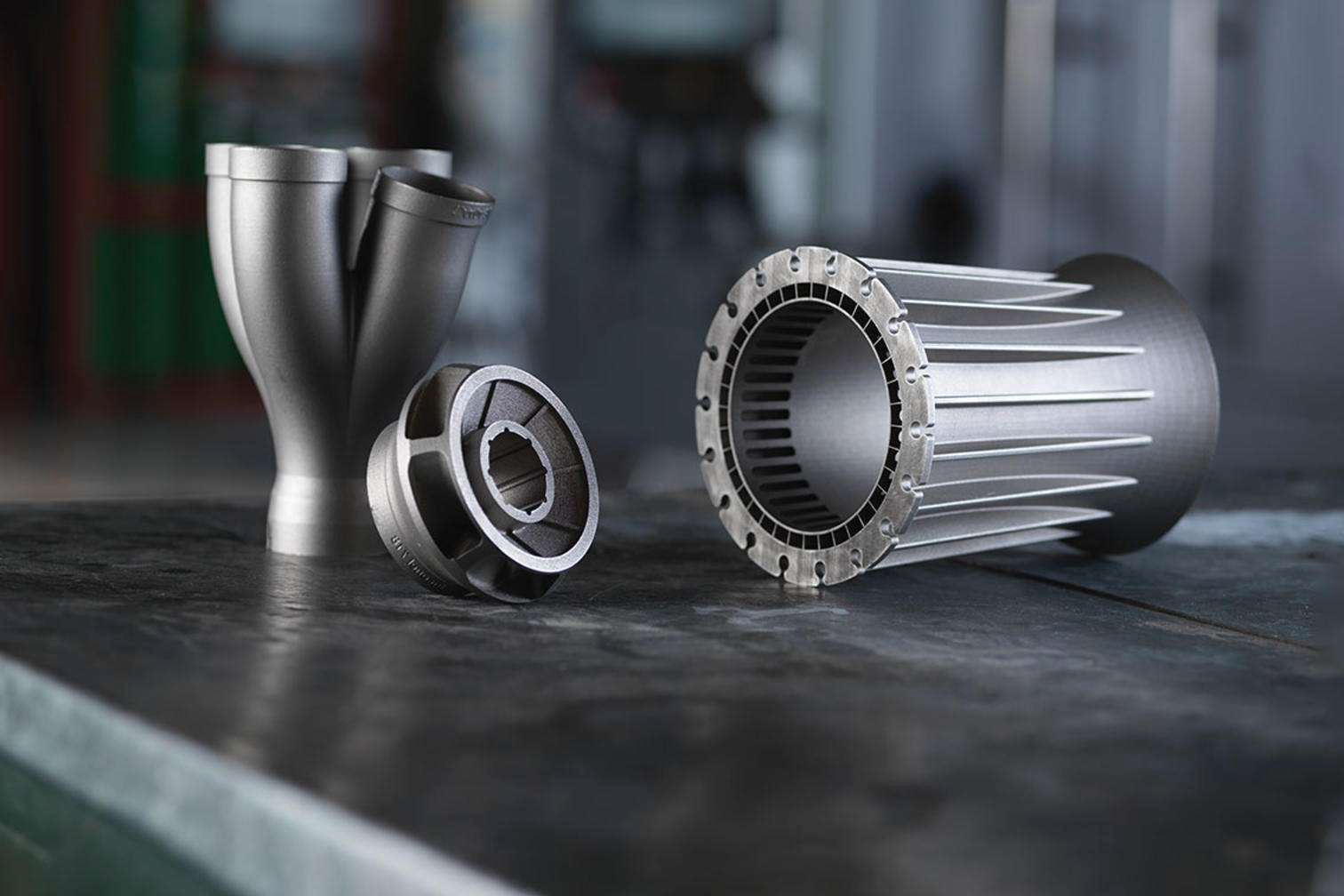
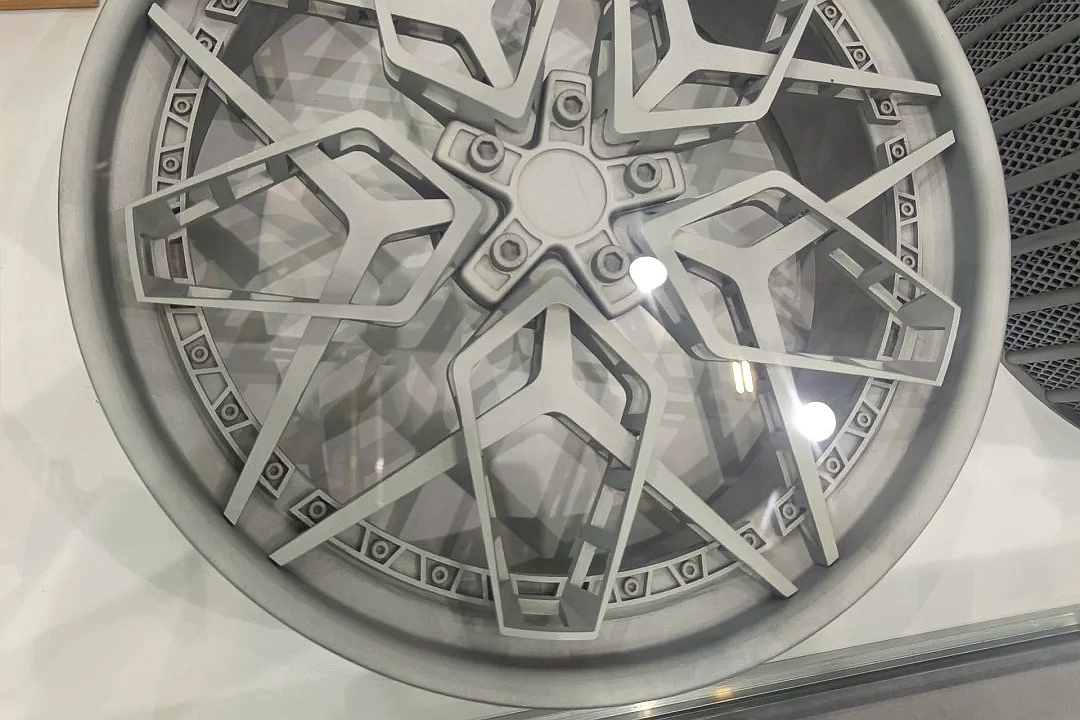
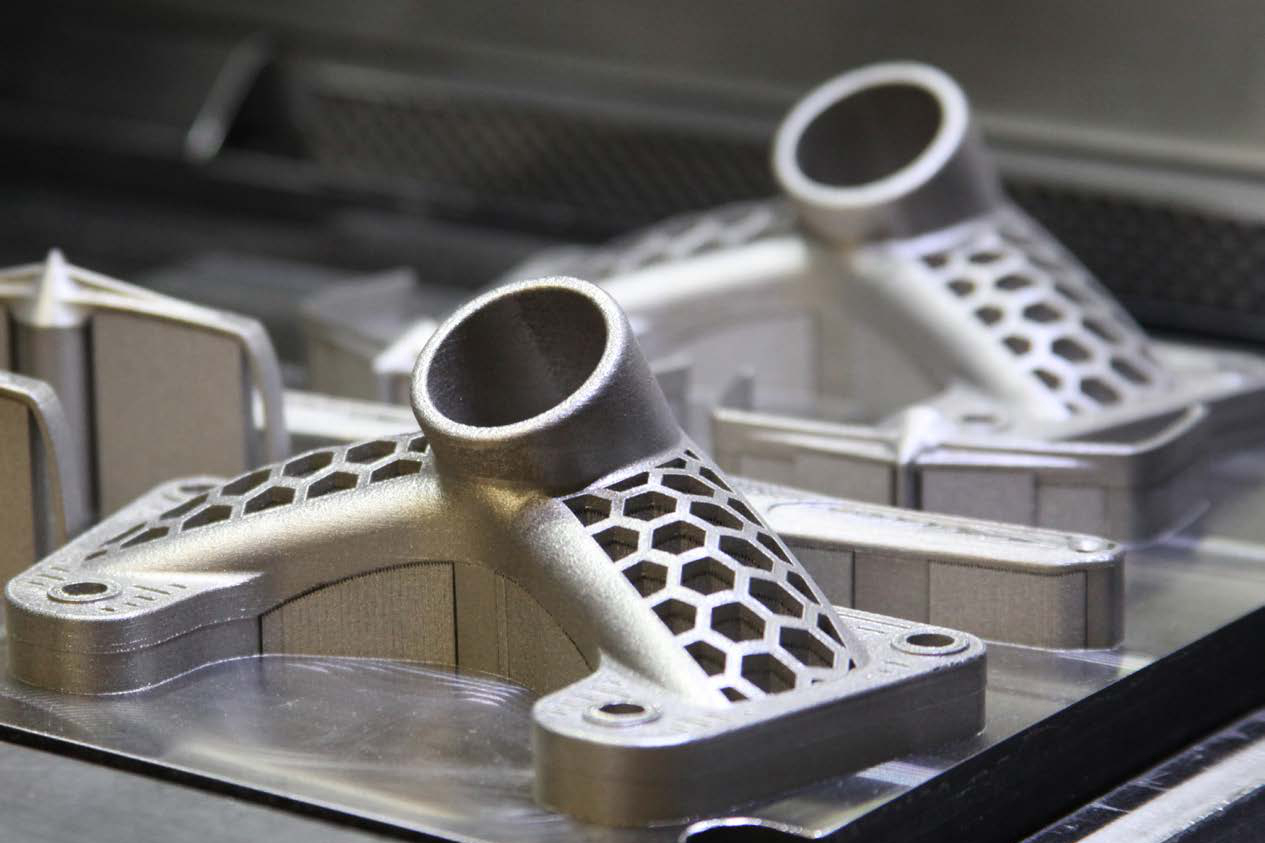
Additive manufacturing (AM) enables the creation of subsea valve components with internal channels, lattice structures, and lightweight frameworks that traditional machining or casting cannot achieve. These features allow engineers to optimize flow paths, integrate cooling systems, and reduce component weight while maintaining structural integrity. With superalloy 3D printing, complex valve bodies and actuator housings can be produced directly from CAD data, eliminating the need for expensive molds or dies and providing unmatched design flexibility.
For intricate or high-pressure subsea valves, the ability to fabricate geometries with minimal assembly interfaces reduces the number of potential leak paths—an essential advantage for deepwater applications.
Accelerated Prototyping and Shorter Production Lead Time
Traditional subsea valve manufacturing involves long lead times for tooling and mold preparation. Additive manufacturing dramatically shortens development cycles by enabling the direct production of prototypes and functional components using materials such as Inconel 718, Hastelloy C-276, or Titanium Ti-6Al-4V. Engineers can iterate quickly, validate flow performance, and implement design improvements before committing to large-scale production.
When combined with hot isostatic pressing (HIP) and heat treatment, additive parts achieve mechanical properties equivalent to wrought materials—making AM suitable not only for prototypes but also for end-use subsea components.
Enhanced Material Utilization and Sustainability
Conventional subtractive methods, such as superalloy CNC machining, often waste significant material when machining high-cost alloys. In contrast, AM builds components layer by layer, drastically improving material efficiency and minimizing scrap. This is especially beneficial when working with expensive superalloys such as Rene 77 or Stellite 6. The reduced waste directly lowers production costs and aligns with sustainability objectives across the subsea and energy sectors.
Improved Structural Integrity and Performance
AM enables the production of fully dense superalloy parts that, when combined with HIP, exhibit excellent fatigue, tensile, and corrosion resistance. For deepwater control valves and actuators, these mechanical advantages ensure reliable operation under high pressure, thermal fluctuation, and corrosive exposure. The seamless integration of AM and superalloy post-processes guarantees superior surface finish and structural consistency, eliminating potential weak points found in welded assemblies.
Industry Applications and Long-Term Impact
In the oil and gas and marine industries, additive manufacturing supports rapid customization and spare-part production for subsea valve systems. Components such as flow restrictors, actuator pistons, and trim inserts can be printed on demand, reducing inventory requirements and lead times. By combining stainless steel 3D printing and aluminum 3D printing, hybrid assemblies can also be produced for lighter, corrosion-resistant solutions.
As AM technology continues to evolve, its integration into subsea valve production enhances reliability, reduces downtime, and drives innovation through advanced material design and geometry optimization.