How is rapid prototyping used in valve assembly production?
Accelerating Design and Functional Validation
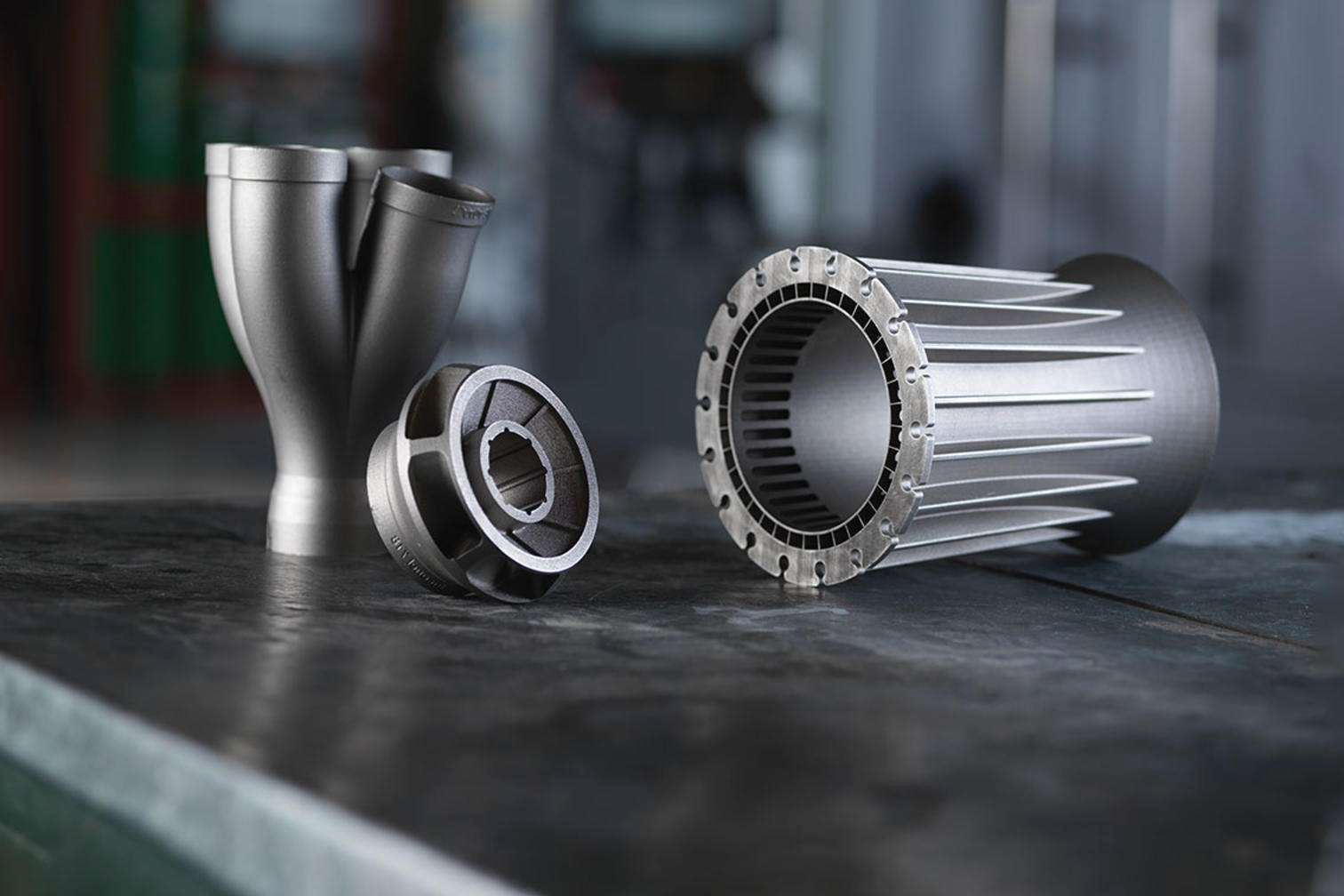
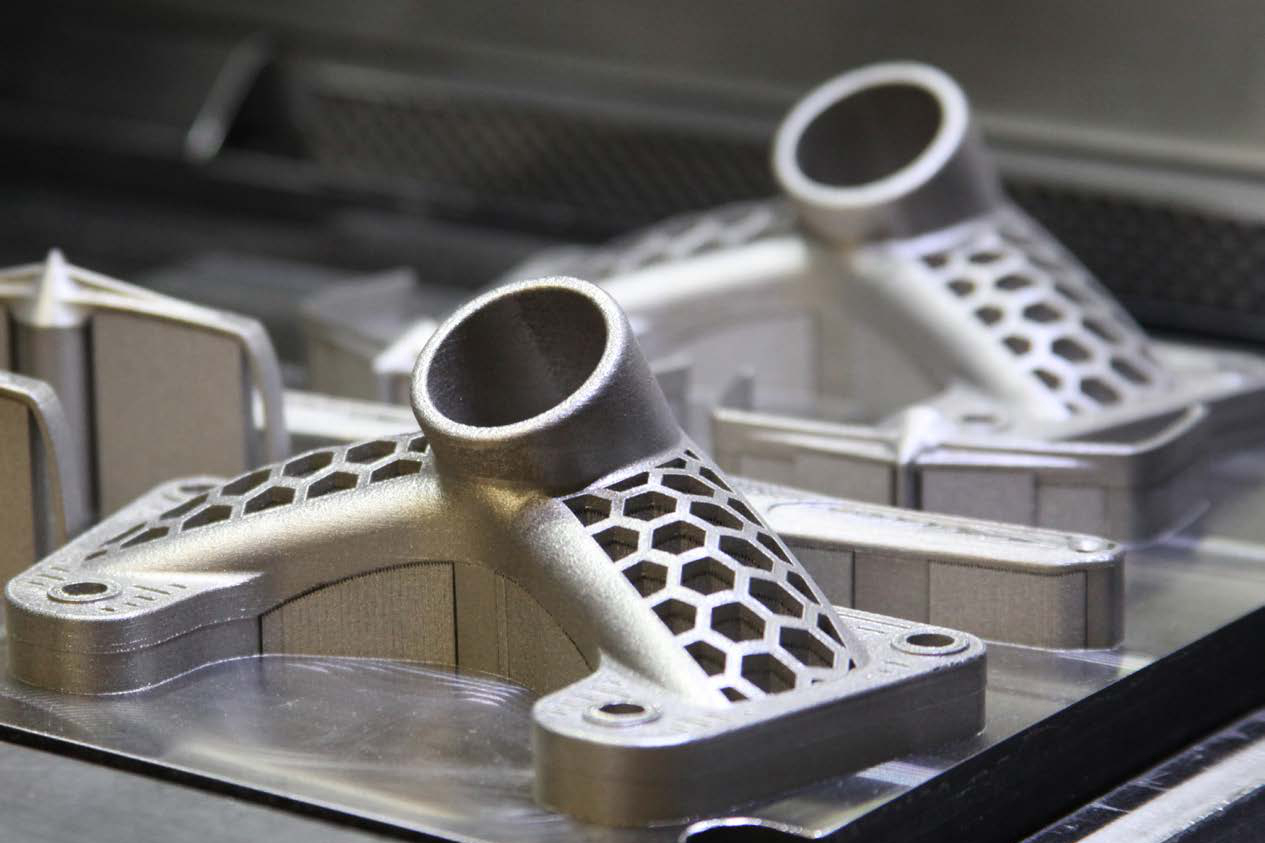
In valve manufacturing, time-to-market and precision are critical. Rapid prototyping allows engineers to translate 3D CAD models into physical prototypes within days, significantly reducing the design iteration cycle. By utilizing processes such as superalloy 3D printing, stainless steel 3D printing, and aluminum 3D printing, engineers can evaluate component fit, flow path geometry, and sealing integrity before committing to expensive tooling or long lead-time casting processes. This enables early detection of design flaws and optimal valve performance tuning.
Material Simulation and Thermal Evaluation
Additive prototyping also supports the evaluation of functional materials. Using production-grade alloys such as Inconel 718, Hastelloy C-22, and Stellite 6, prototypes can undergo pressure, flow, and thermal testing under real operating conditions. This is especially beneficial for valves used in power generation, chemical processing, and energy systems, where corrosion and heat resistance directly affect component longevity and safety.
Streamlined Transition to Production
Rapid prototyping bridges the gap between digital design and full-scale manufacturing. Once validated, designs can be seamlessly transferred to production routes such as vacuum investment casting or superalloy precision forging, ensuring geometrical accuracy and repeatability. Furthermore, additive prototypes often serve as master patterns for investment casting molds, eliminating the need for traditional wax tooling. This hybrid approach drastically reduces lead time and supports quick adaptation to design changes or custom valve variants.
Integration with Post-Processing and Testing
After prototyping, components undergo finishing operations, such as superalloy CNC machining and electrical discharge machining (EDM), to refine tolerances and seal surfaces. Post-processing techniques such as hot isostatic pressing (HIP) and heat treatment enhance material density and fatigue resistance, allowing prototypes to meet the same performance criteria as production-grade valves. This synergy between rapid prototyping and advanced post-processing ensures full functionality during early-stage qualification, thereby accelerating industrial deployment.
Reducing Development Costs and Lead Time
By combining additive manufacturing with conventional casting and forging, rapid prototyping reduces total development time by up to 60%. It minimizes waste, shortens procurement cycles, and allows for simultaneous testing across multiple design variations. Industries such as oil and gas, marine, and nuclear leverage this technology to bring high-integrity valve assemblies to market faster while ensuring operational safety and long-term reliability.