How is additive manufacturing used in the production of advanced alloy fittings?
Revolutionizing Alloy Component Fabrication
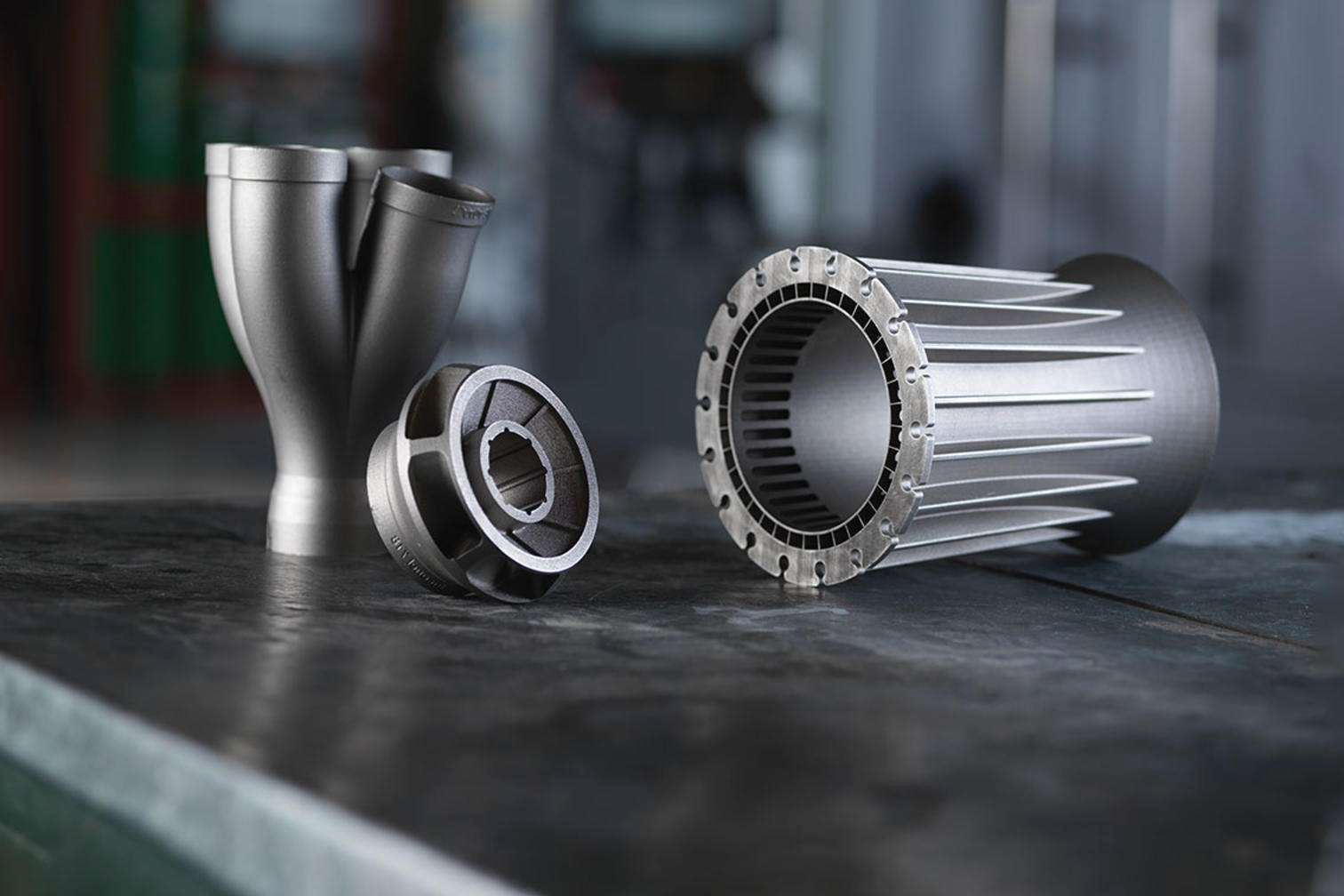
Additive manufacturing (AM), also known as metal 3D printing, has transformed the production of complex alloy fittings for aerospace, energy, and oilfield systems. Using powder-bed fusion techniques such as selective laser melting (SLM) or electron beam melting (EBM), materials including superalloy 3D printing, aluminum 3D printing, and stainless steel 3D printing can be processed into near-net-shape fittings with intricate geometries and optimized internal flow paths. This digital manufacturing route minimizes material waste and reduces lead times compared to traditional casting or machining.
Material Versatility and Metallurgical Quality
Additive manufacturing enables the direct production of high-performance materials that are traditionally difficult to machine or cast. Nickel-based alloys, such as Inconel 718, Hastelloy X, and Rene 77, are commonly used due to their exceptional fatigue resistance and corrosion resistance. Titanium options, such as Ti-6Al-4V and Ti-5553, are selected for lightweight, high-strength fittings in fluid systems. The use of powder metallurgy turbine disc technology in powder preparation ensures particle uniformity and alloy cleanliness, resulting in consistent layer bonding and fine-grain structures after printing.
Process Optimization and Post-Processing Integration
Printed fittings undergo hot isostatic pressing (HIP) to close internal porosity, enhancing fatigue life and reliability under cyclic pressure. Controlled heat treatment adjusts microstructure to achieve target mechanical properties, while superalloy CNC machining refines sealing interfaces and threads. To withstand extreme heat and corrosion, external layers may receive thermal barrier coating (TBC) or oxidation-resistant surfaces for long-term operation in turbines and compressors.
Functional Benefits and Application Industries
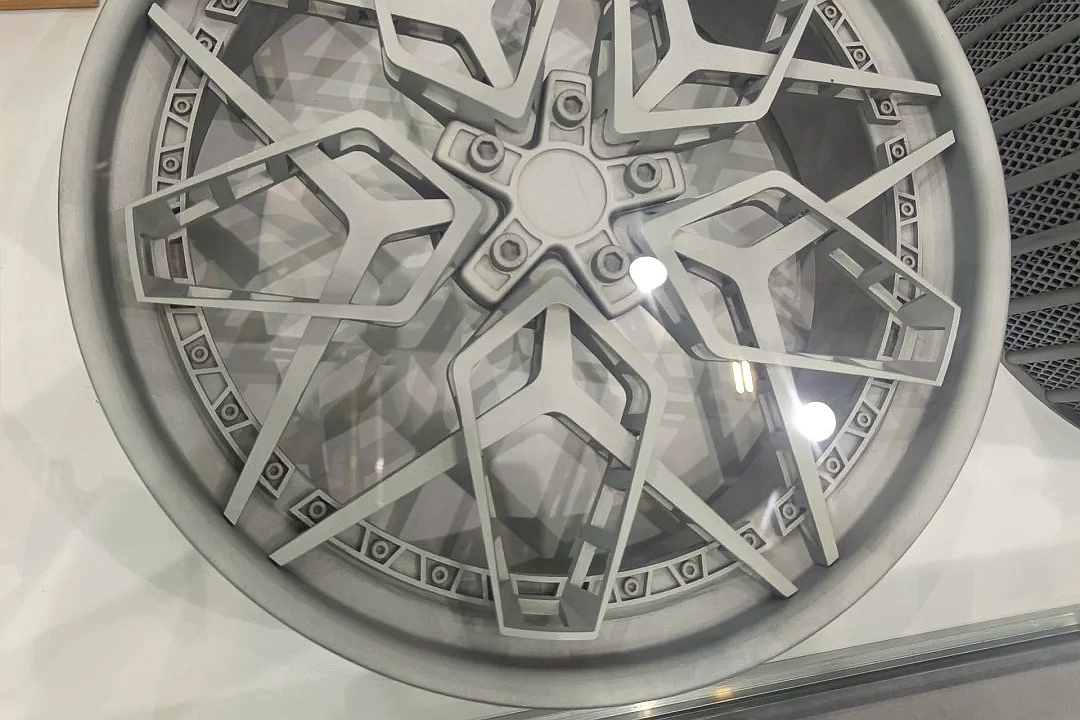
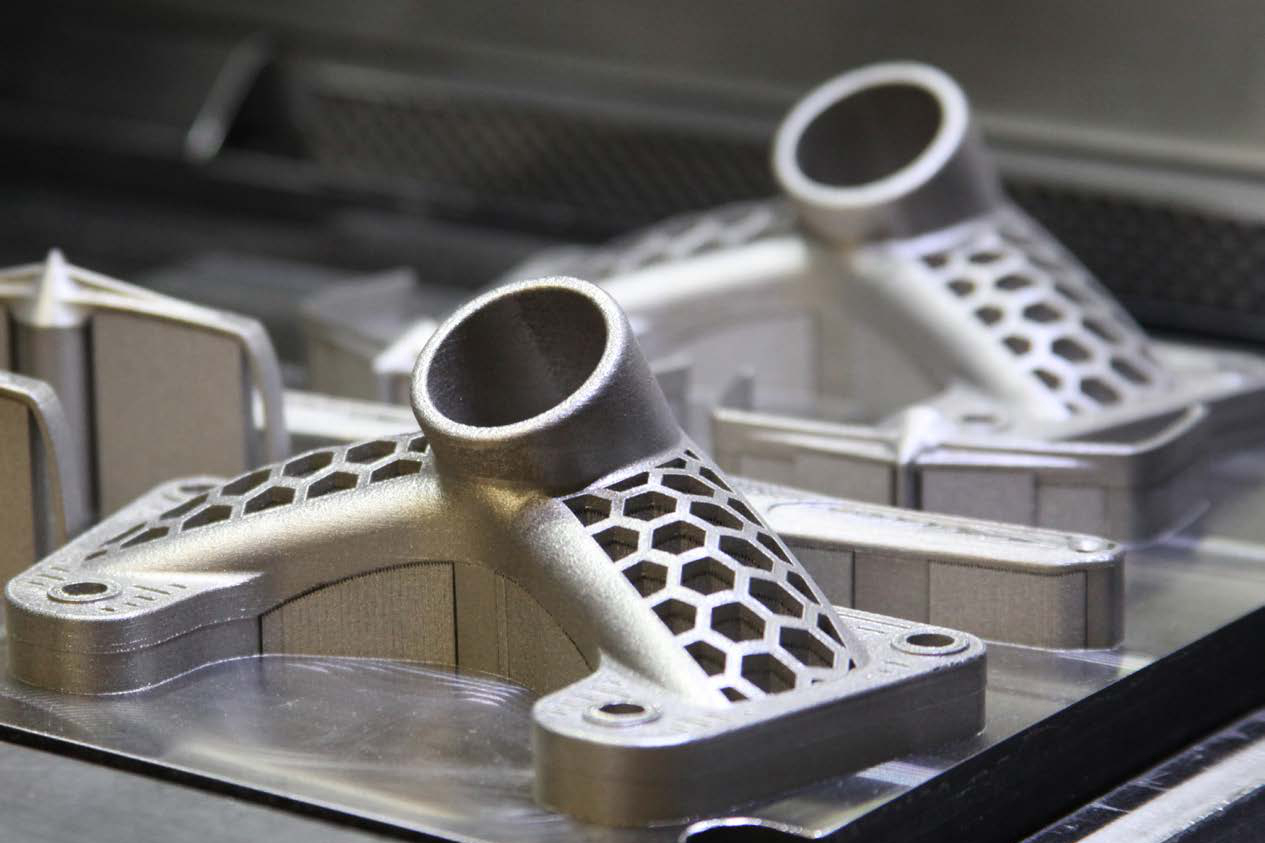
Additive manufacturing enables topology optimization, reducing weight while maintaining structural strength. Integrated channels, lattice reinforcements, and custom flow designs can be incorporated into fittings without the need for assembly welding, thereby minimizing leakage risks. These benefits are essential in aerospace and aviation, power generation, and oil and gas industries, where performance, weight efficiency, and reliability determine overall system efficiency. Additionally, additive processes accelerate prototype development and enable on-demand production of legacy components or design revisions.
Sustainable and Digital Manufacturing Advantages
Beyond performance, additive manufacturing supports sustainability by maximizing powder reuse and minimizing machining waste. The digital workflow—spanning design, simulation, and build monitoring—ensures full traceability and repeatability, aligning with modern aerospace and energy quality standards. As AM technologies advance, alloy fitting production continues to shift toward fully digital, highly optimized, and environmentally efficient models.