How Does Rapid Prototyping Support the Development of Nuclear Reactor Units?
Transforming Design Efficiency in Nuclear Manufacturing
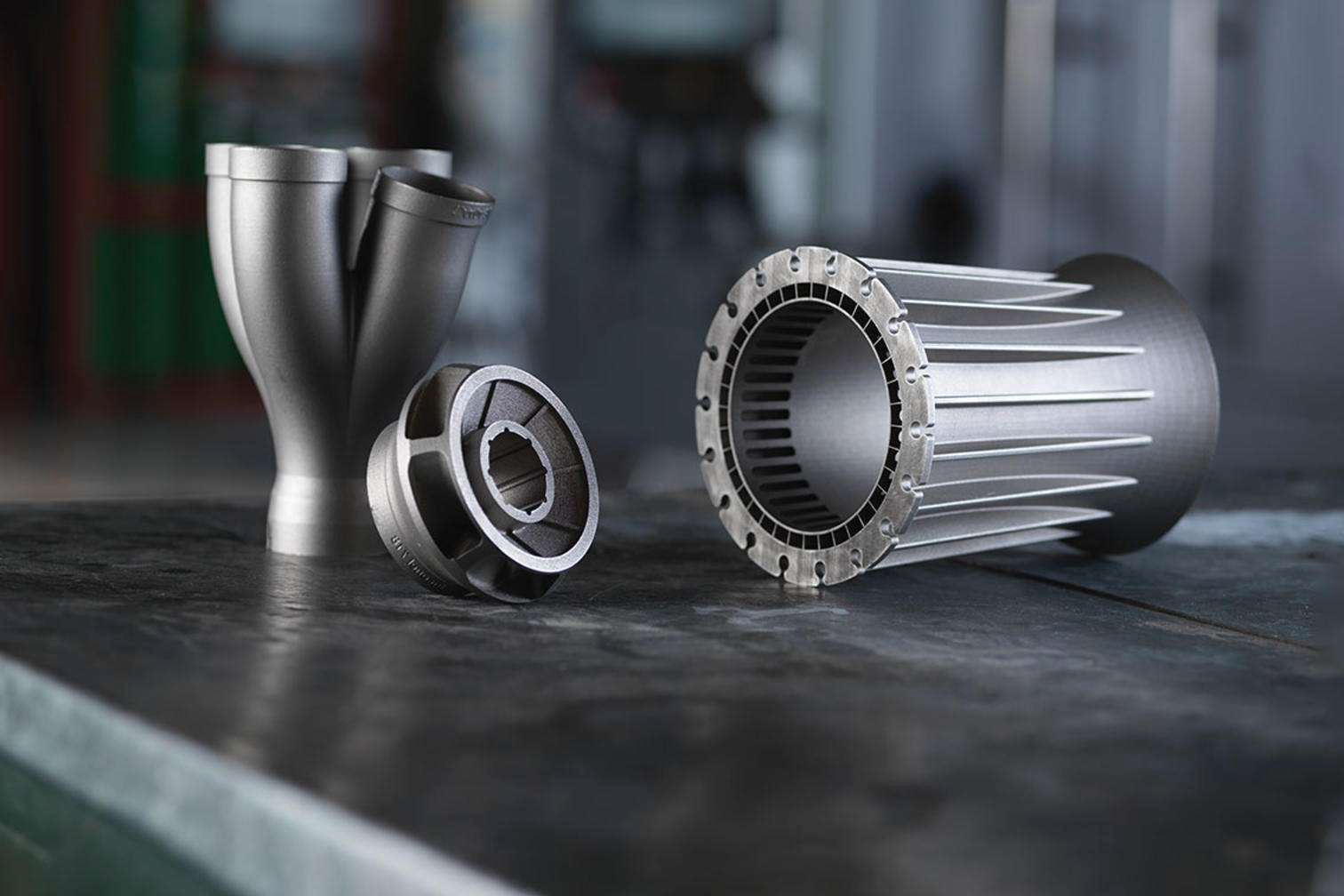
Rapid prototyping has become a transformative tool in the nuclear energy sector, enabling engineers to accelerate the design, testing, and optimization of complex reactor unit components. Traditional reactor part development—such as turbine segments, core housings, or coolant manifolds—requires long lead times due to tooling, casting, and inspection. By introducing additive manufacturing and digital fabrication through 3D printing services, manufacturers can drastically reduce development cycles while maintaining the precision and safety standards demanded by nuclear operations.
This approach integrates seamlessly with advanced alloy technologies and forming processes such as vacuum investment casting and superalloy precision forging, providing engineers with functional prototypes that closely mimic final production parts.
Material and Design Flexibility
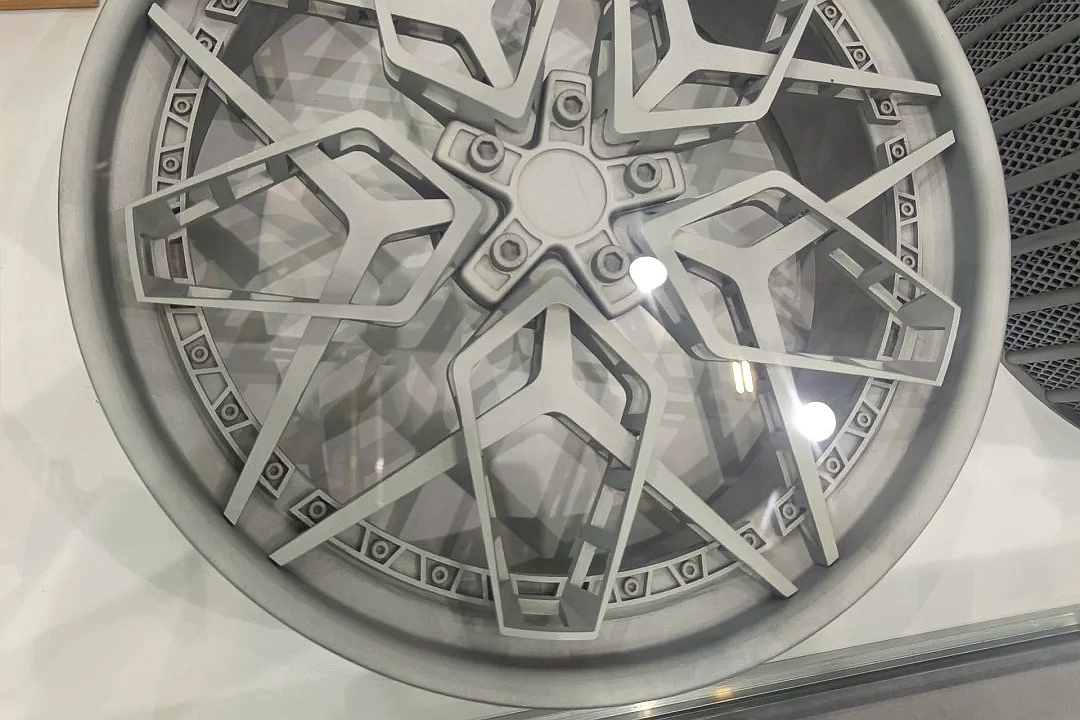
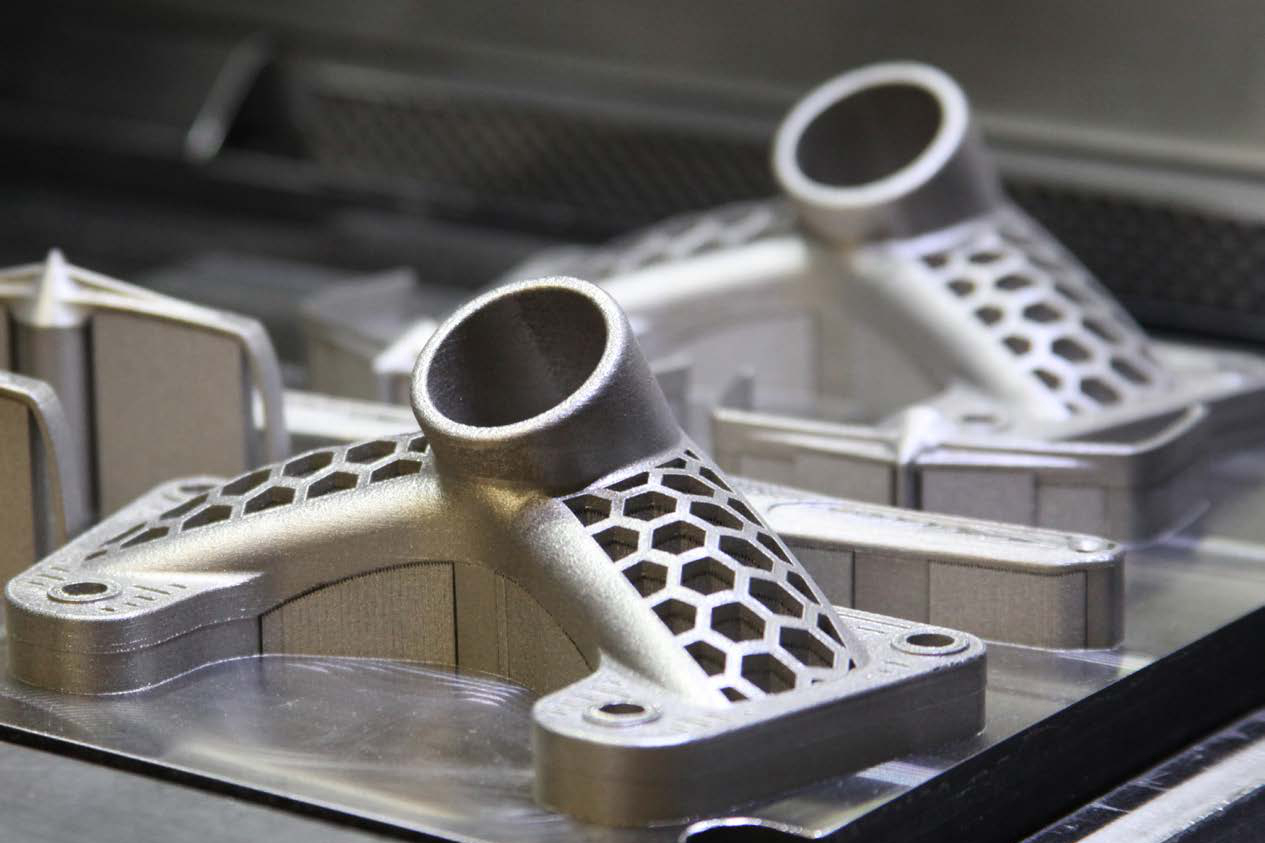
Rapid prototyping enables the use of materials directly relevant to reactor environments, including high-performance alloys such as Inconel 718, Hastelloy X, and Rene 80. Using superalloy 3D printing, engineers can produce geometrically complex components—such as cooling channels and lattice structures—without the need for extensive tooling. These near-net-shape prototypes can then be evaluated for their mechanical performance, thermal conductivity, and neutron absorption behavior before being scaled up for production.
For lightweight and corrosion-resistant parts in auxiliary systems, titanium alloy 3D printing and stainless steel 3D printing provide effective solutions that balance strength with manufacturability.
Integration with Post-Processing and Validation
After fabrication, prototypes undergo advanced post-processing such as hot isostatic pressing (HIP) and superalloy heat treatment to replicate production-level microstructures. These steps enable accurate mechanical and thermal testing, ensuring prototypes represent real-world performance under high-temperature, high-pressure reactor conditions.
Furthermore, material testing and analysis confirm the integrity of printed parts by detecting porosity, verifying chemical composition, and assessing radiation resistance. This combination of additive manufacturing and rigorous testing creates a closed feedback loop between digital design and physical validation.
Application in the Nuclear Industry
Within the nuclear and energy industries, rapid prototyping facilitates the iterative development of safety-critical components, including reactor coolant nozzles, pressure vessel internals, and fuel assembly components. It enables engineers to efficiently evaluate different alloy compositions and geometries, thereby reducing costly rework during large-scale fabrication.
Conclusion
Rapid prototyping bridges the gap between digital simulation and physical validation in the field of nuclear engineering. By combining additive manufacturing precision with post-process densification and metallurgical analysis, manufacturers can achieve faster innovation, lower risk, and improved component reliability for next-generation reactor designs.