How does rapid prototyping shorten the development cycle for these components?
Accelerated Design Validation
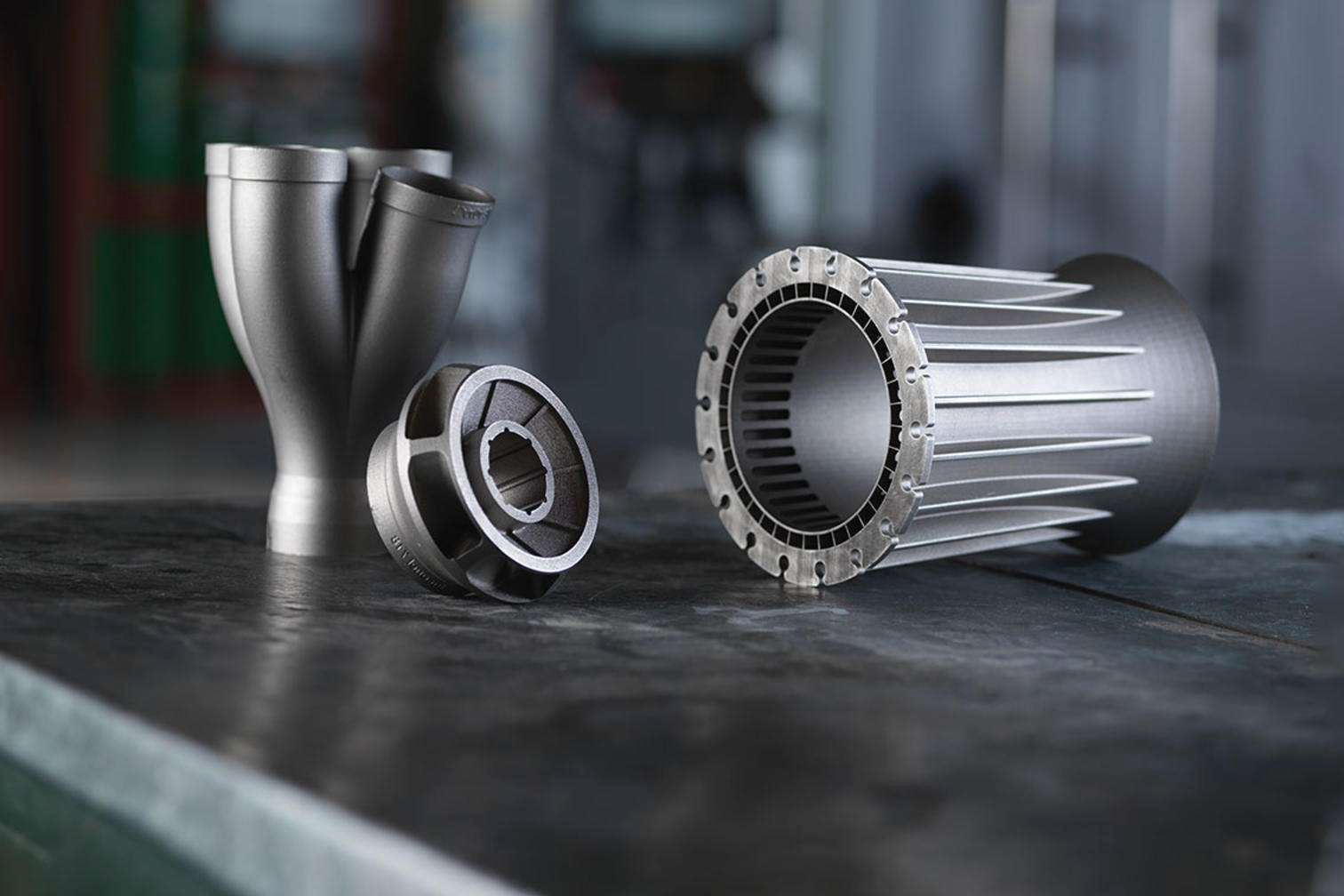
In the development of downhole drilling and turbine components, rapid iteration is essential to ensure that designs meet extreme mechanical and thermal demands. Using 3D printing services, engineers can transform digital CAD models into physical prototypes within days rather than weeks. This allows immediate verification of design fit, assembly compatibility, and fluid dynamics performance before committing to costly tooling. Technologies such as superalloy 3D printing and stainless steel 3D printing deliver functional parts suitable for high-temperature and corrosive testing environments, thereby bridging the gap between virtual design and field-ready hardware.
Design Flexibility for Complex Geometries
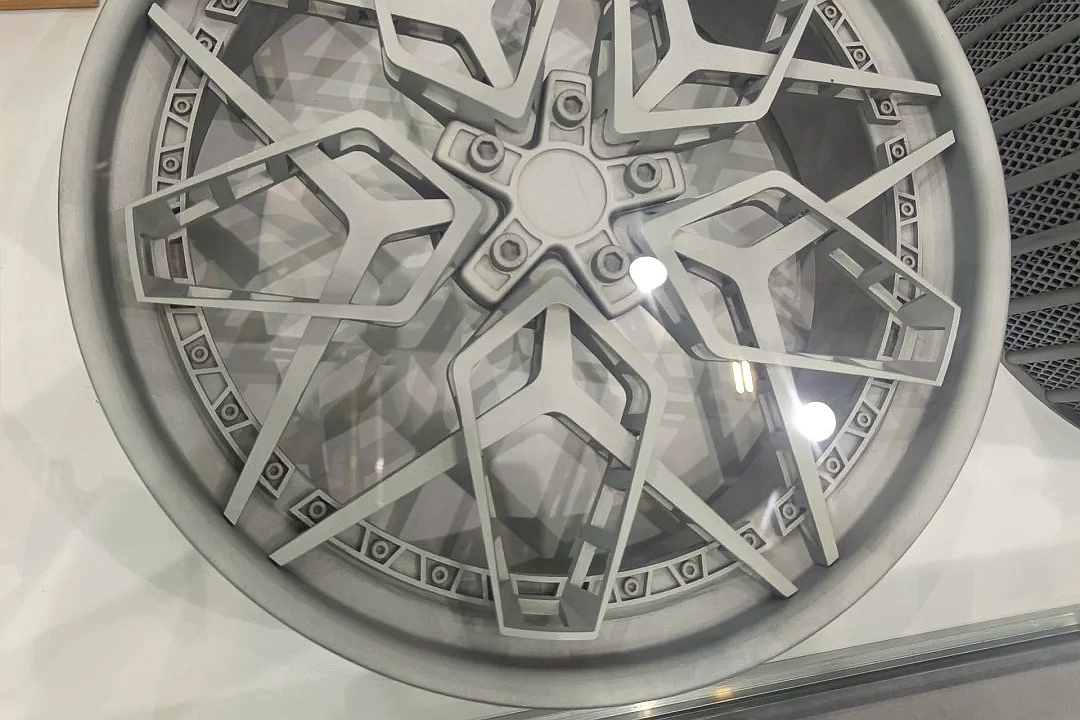
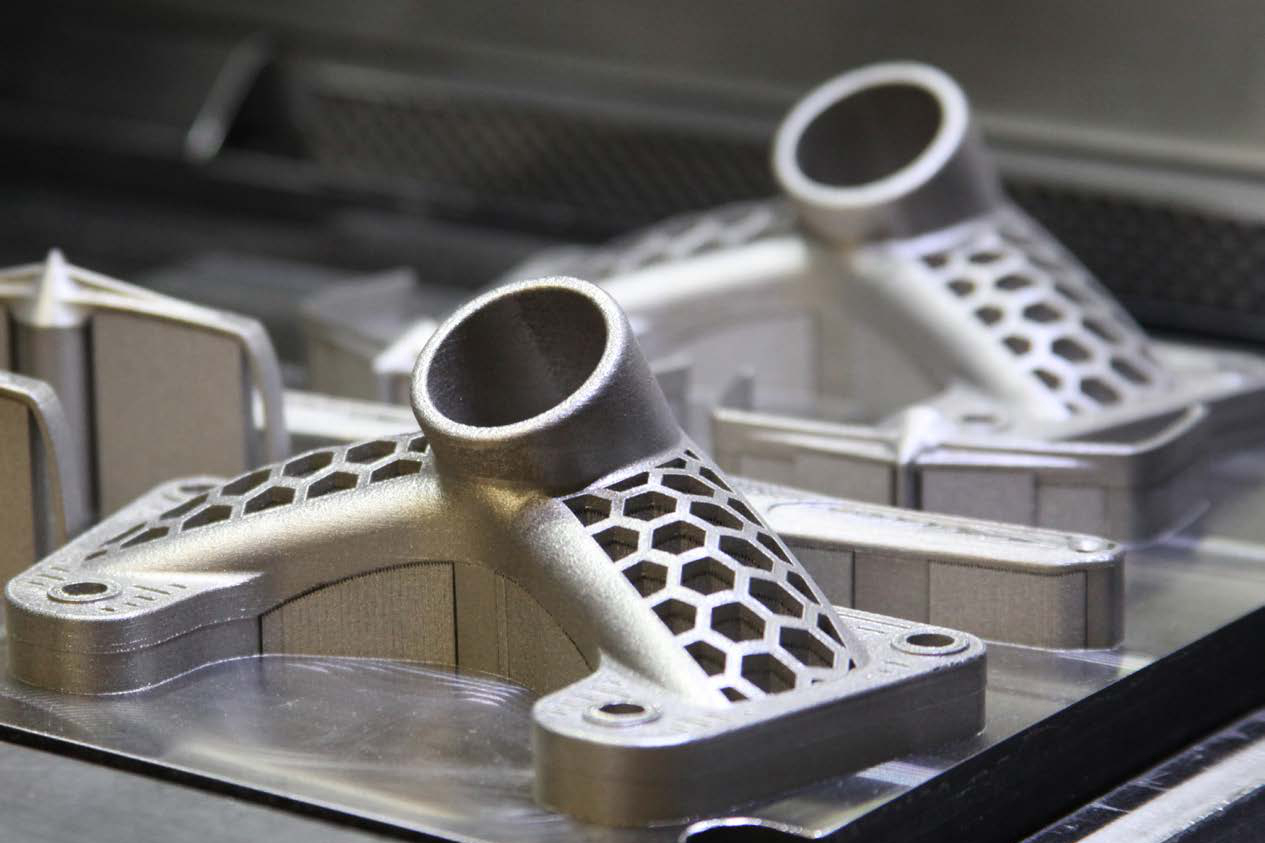
Downhole and aerospace assemblies often feature intricate internal channels, optimized lattice structures, and lightweight forms that are challenging to achieve through traditional casting or machining methods. Additive manufacturing of materials such as Inconel 718, Haynes 188, or Ti-6Al-4V allows engineers to prototype near-net-shape geometries directly. This eliminates multiple machining steps while enabling early-stage thermal and mechanical testing under realistic load conditions. The freedom to modify and reprint iterations rapidly accelerates the design optimization phase.
Streamlined Integration with Conventional Manufacturing
Rapid prototyping also integrates seamlessly with traditional vacuum investment casting and superalloy precision forging. Printed wax or metal patterns can be used for casting trials, significantly reducing mold lead times. Hybrid manufacturing—combining additive and subtractive methods such as superalloy CNC machining—enables the creation of test assemblies that match production quality, allowing for earlier qualification and regulatory approval.
Cost and Time Efficiency in Early Testing
Traditional tooling and setup for superalloy components can be expensive and time-consuming. Prototyping with aluminum 3D printing or plastic 3D printing provides cost-effective models for dimensional studies, pressure testing, and assembly validation before switching to premium alloys. For performance-critical components, HIP and heat treatment can be applied to printed parts, achieving mechanical properties comparable to those of forged materials. This iterative approach allows early failure analysis and design correction without interrupting the full-scale production timeline.
Industrial Application and Field Deployment
Rapid prototyping has become a key enabler in industries like oil and gas, energy, and aerospace and aviation. Functional prototypes of downhole housings, turbine guide vanes, or heat recovery segments can be tested in real-world environments to collect operational feedback. This minimizes redesign cycles, shortens product launch timelines, and reduces total development cost.
By integrating rapid prototyping into the superalloy manufacturing workflow, engineering teams can validate form, function, and performance far earlier in the lifecycle, dramatically reducing time-to-market and ensuring optimal reliability before final production.