
Пользовательская 3D-печать из алюминиевых сплавов: прочность, точность и тепловые характеристики
Введение в аддитивное производство из алюминиевых сплавов
3D-печать из алюминиевых сплавов обеспечивает создание легких конструкций с отличным соотношением прочности к весу и высокой теплопроводностью для высокопроизводительных применений. В компании Neway Aerotech мы предоставляем услуги по пользовательскому аддитивному производству из алюминиевых сплавов, адаптированные для аэрокосмической, автомобильной промышленности и энергетических систем.
Используя передовые технологии селективного лазерного плавления и технологии 3D-печати алюминием, мы гарантируем высокую точность геометрии, быстрое прототипирование и оптимизированные тепловые характеристики для сложных компонентов из алюминиевых сплавов.
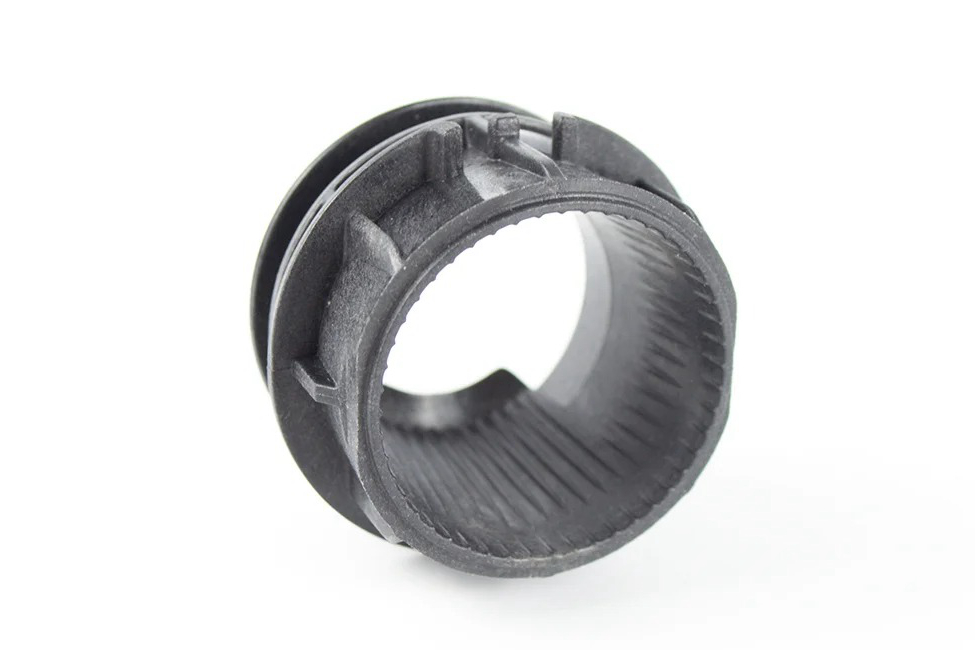
Обзор процессов 3D-печати из алюминиевых сплавов
Используемые технологии
Мы используем селективное лазерное плавление (SLM) и прямое лазерное спекание металла (DMLS) для изготовления сложных алюминиевых деталей:
Печать SLM: Обеспечивает мелкую микроструктуру и механические свойства, близкие к деформируемым сплавам, для таких сплавов, как AlSi10Mg и Scalmalloy®.
Технология DMLS: Позволяет создавать плотные детали с отличными тепловыми и механическими свойствами для радиаторов и корпусов.
Подходящие алюминиевые сплавы
Сплав | Предел прочности на разрыв (МПа) | Предел текучести (МПа) | Удлинение (%) | Теплопроводность (Вт/м·К) | Примеры применения |
|---|---|---|---|---|---|
460–520 | 240–270 | 5–12 | 150–170 | Корпуса, крышки, легкие конструкционные детали | |
350–420 | 200–240 | 3–10 | 140–160 | Автомобильные коллекторы, теплообменники | |
270–330 | 170–210 | 2–5 | 120–140 | Сложные компоненты управления теплом |
Свойства зависят от ориентации построения, постобработки и термической обработки.
Стратегия выбора материала
AlSi10Mg: Предпочтителен для высокого отношения жесткости к весу, отличной коррозионной стойкости и хорошей свариваемости — идеально подходит для аэрокосмических кронштейнов.
AlSi7Mg: Используется, когда требуется умеренная прочность и превосходная литейная способность в автомобильных или тепловых системах.
AlSi9Cu3: Применяется в сценариях, где важны размерная точность и сложные тепловые пути, например, для корпусов и охлаждающих блоков.
Исследование случая: Пользовательский 3D-печатный алюминиевый радиатор для авионики
Описание проекта
Поставщику авионики для аэрокосмической отрасли потребовался пользовательский модуль управления теплом с низким весом, сложными внутренними каналами и строгими допусками на размеры для охлаждения бортовой электроники.
Производственный процесс
Оптимизация конструкции: Моделирование внутренней решетчатой структуры и ребер с помощью топологической оптимизации в CAD.
Материал: Выбран порошок AlSi10Mg благодаря высокой теплопроводности и снижению веса.
Процесс печати: Печать методом SLM с высотой слоя 40 мкм с использованием лазерной системы мощностью 500 Вт.
Ориентация построения: Угол наклона 45° для уменьшения использования поддержек и улучшения целостност� поверхности в путях теплового потока.
Постобработка: Обработка горячим изостатическим прессованием (HIP) при 520°C и 100 МПа для устранения внутренней пористости.
Чистовая обработка поверхности
Дробеструйная обработка** для получения матовой отделки и равномерной шероховатости поверхности Ra < 3,2 мкм.
Финишная обработка на станках с ЧПУ сопрягаемых поверхностей с точностью ±0,01 мм.
Анодирование** для повышения коррозионной стойкости и улучшения тепловой эмиссии.
Контроль качества
Проверка на КИМ: Подтверждено, что все размеры 3D-печатных и обработанных деталей находятся в допуске ±0,005 мм.
Рентгеновская компьютерная томография (КТ): Гарантировано отсутствие перемычек или пористости во внутренних каналах.
Тепловые испытания: Подтверждено, что тепловое сопротивление составляет < 0,5°C/Вт при нагрузке 50 Вт.
Результаты и проверка характеристик
Конечный алюминиевый радиатор снизил вес на 38% по сравнению с оригинальной фрезерованной деталью, сохранив при этом эквивалентные тепловые характеристики. Чистовая обработка поверхности и анодирование улучшили коррозионную стойкость при циклическом воздействии влажности более чем на 200 часов. Все механические и тепловые параметры соответствовали или превышали требования аэрокосмической отрасли.
Часто задаваемые вопросы
Какие алюминиевые сплавы подходят для конструкционных и тепловых 3D-печатных деталей?
Как оптимизировать ориентацию печати для теплопроводных алюминиевых компонентов?
Можно ли применять пользовательскую чистовую обработку поверхности после 3D-печати из алюминиевых сплавов?
Какие методы постобработки используются для улучшения характеристик алюминиевых деталей?
Какая достижимая размерная точность для 3D-печатных корпусов из алюминия?
