Каковы ключевые преимущества использования SLM 3D-печати для деталей из жаропрочных сплавов?
Точность и сложная геометрия
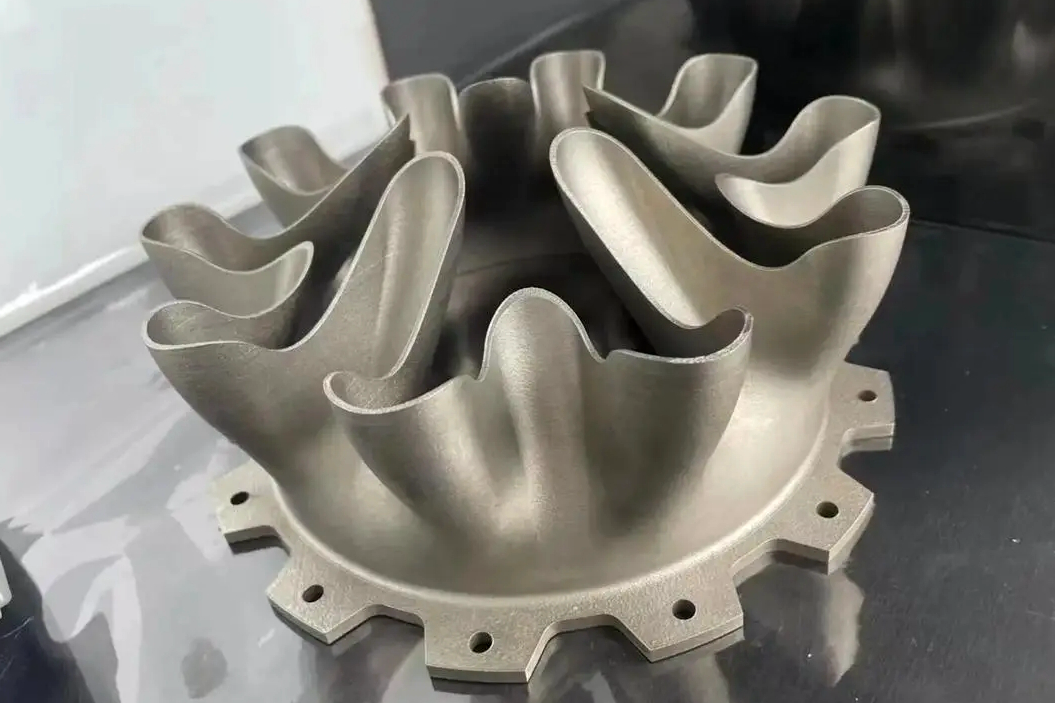
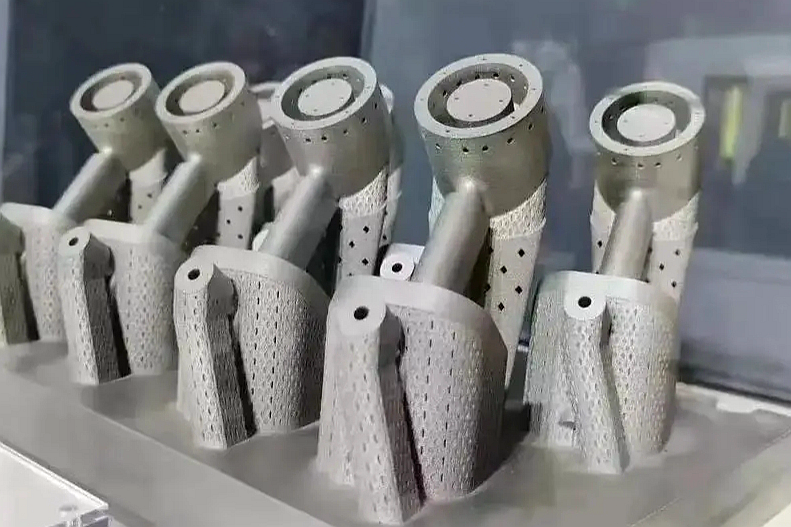
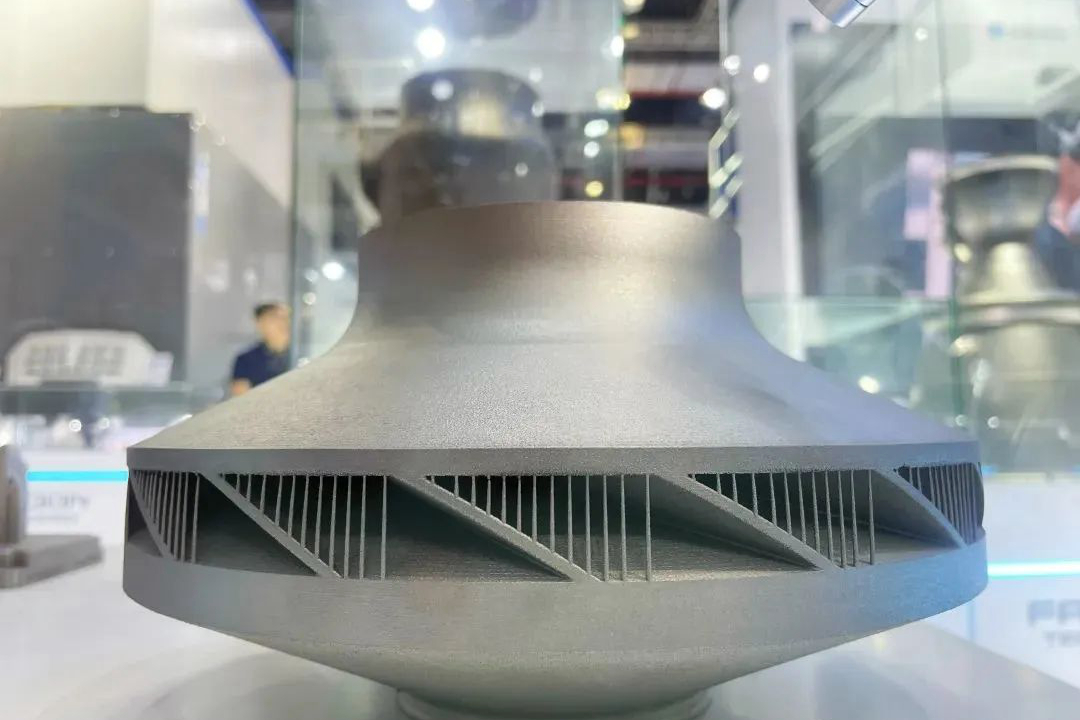
Селективное лазерное плавление (SLM) обеспечивает исключительную свободу геометрии, позволяя создавать сложные, легкие конструкции, которые невозможно изготовить методом литья или ковки. Жаропрочные сплавы, такие как Инконель, Хастеллой и никелевые суперсплавы, могут быть сформированы в тонкие стенки, внутренние охлаждающие каналы и решетчатые структуры с высокой точностью размеров. Эти возможности напрямую поддерживают требовательные применения в аэрокосмической и авиационной промышленности, газовых турбинах и высоконапорных энергетических системах.
Превосходная механическая прочность благодаря быстрому затвердеванию
Крайне высокая скорость охлаждения при SLM измельчает микроструктуру, что приводит к улучшенной механической прочности, усталостной стойкости и температурной стабильности по сравнению с традиционным вакуумным литьем по выплавляемым моделям. Многие суперсплавы, напечатанные методом SLM, демонстрируют повышенную стойкость к ползучести и улучшенные характеристики роста трещин. В сочетании с последующими процессами, такими как ГИП и контролируемая термообработка, плотность и распределение фаз могут соответствовать или превосходить свойства деформированных материалов.
Оптимизированные особенности теплового управления
SLM превосходно справляется с созданием высокоточных внутренних проточных каналов, конформных охлаждающих каналов и теплозащитных структур, необходимых для лопаток турбин, компонентов камер сгорания и высокотемпературных корпусов. Эти передовые геометрии значительно повышают эффективность теплопередачи и снижают термическую усталость — преимущества, которых традиционная механическая обработка или литье не могут достичь без сложных многокомпонентных сборок.
Эффективность использования материала и экономическая эффективность
Жаропрочные сплавы дороги, но SLM использует только материал, необходимый для конечной геометрии. Нет отходов в виде литников, выпоров или значительного съема материала при механической обработке. Это приводит к существенной экономии затрат, особенно при печати сложных сплавов, таких как Инконель 718, Хастеллой X или никель-хромовые суперсплавы, используемые в 3D-печати суперсплавов.
Надежность благодаря последующей обработке и тестированию
Детали, изготовленные методом SLM, полностью совместимы с последующими улучшениями качества, включая чистовую обработку на станках с ЧПУ, ремонт сваркой и передовое испытание и анализ материалов. Эти процессы гарантируют, что компоненты из жаропрочных сплавов достигают аэрокосмического уровня производительности, низкой пористости и долгосрочной структурной надежности.