Каковы преимущества лазерного напыления для титановых сплавов, таких как TC4, TA15 и TA11?
Отличное металлургическое соединение
Лазерное напыление создает прочную металлургическую связь между титановой подложкой и нанесенным слоем. Это особенно полезно для сплавов, таких как TC4 (Ti-6Al-4V), TA15 и TA11, все из которых обладают сильным сродством к кислороду и требуют точного контроля температуры для сохранения целостности поверхности. Лазерный процесс минимизирует окисление и обеспечивает стабильный, бездефектный интерфейс.
Низкий тепловой ввод и минимальные искажения
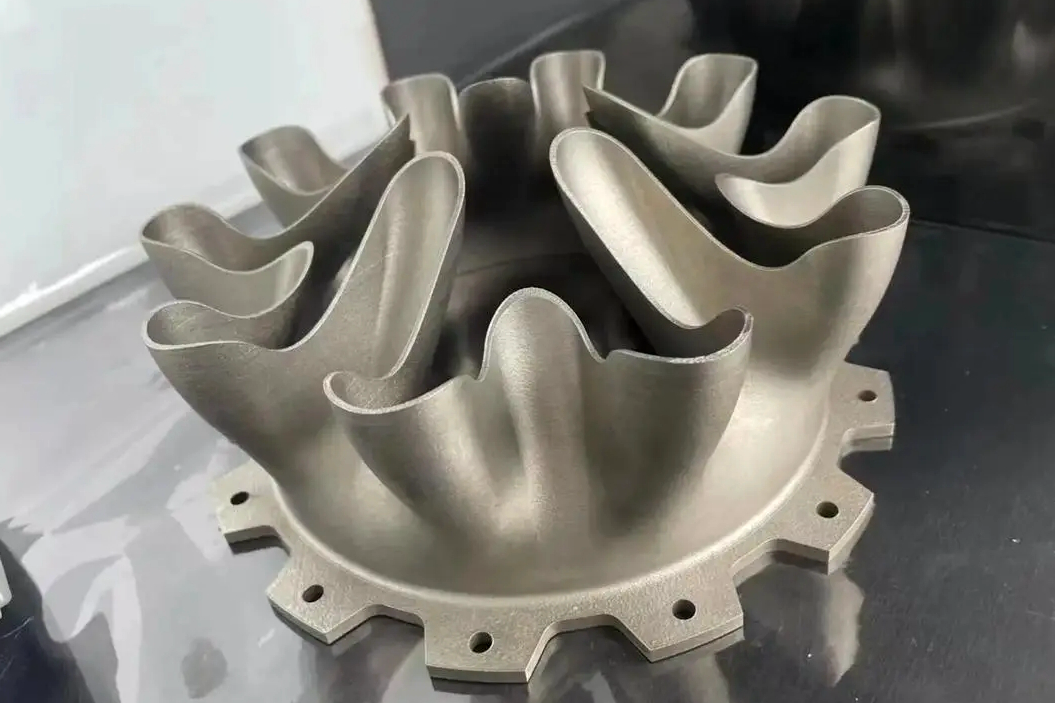
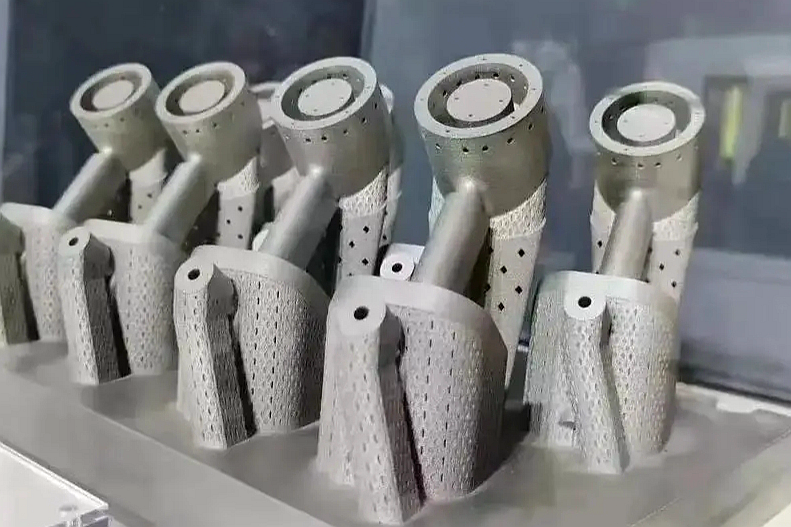
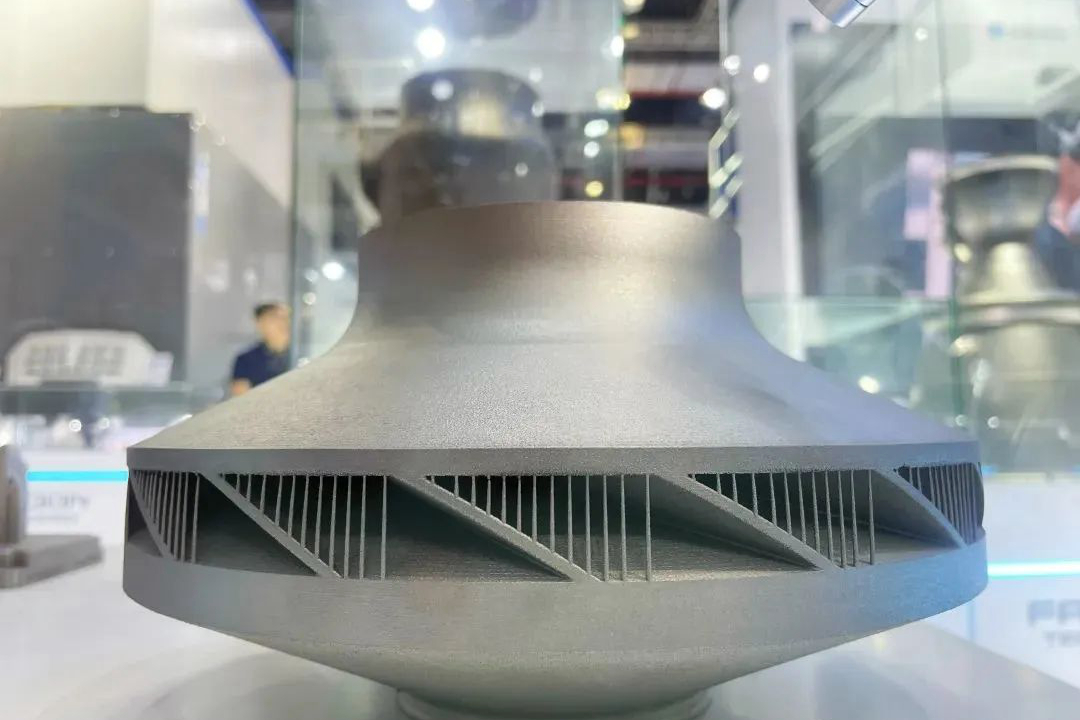
Титановые сплавы очень чувствительны к тепловым искажениям. Концентрированный энергетический ввод лазерного напыления приводит к узкой зоне термического влияния, снижая остаточные напряжения и предотвращая деформацию. Это важно для аэрокосмических структурных компонентов и прецизионных деталей, изготовленных с помощью литья по выплавляемым моделям из титана или 3D-печати.
Повышенная износостойкость и коррозионная стойкость
Лазерное напыление позволяет наносить совместимые с титаном сплавы или твердые наплавочные материалы, которые значительно улучшают износостойкость, эрозионную и коррозионную стойкость. Это продлевает срок службы компонентов, используемых в аэрокосмической отрасли, нефтегазовой отрасли и высокопроизводительных механических системах, где титановые сплавы работают при циклических нагрузках и агрессивных средах.
Точный ремонт высокоценных деталей
Лазерное напыление позволяет локально восстанавливать изношенные области, не затрагивая геометрию критических зон. Титановые сплавы, такие как TC4 и TA15, обычно используются в легких структурных компонентах, лопатках и корпусах, где важна точность размеров. Последующая обработка с помощью ЧПУ-обработки позволяет достичь почти исходных допусков при минимальном удалении материала.
Совместимость с продвинутой постобработкой
Детали из титана, обработанные лазерным напылением, хорошо реагируют на термообработку и процессы снятия напряжений, обеспечивая стабильность и долговременную долговечность. При необходимости, HIP может дополнительно устранить микропустоты и улучшить усталостную прочность в высоконагруженных аэрокосмических деталях.
Применение в критических отраслях
Титановые сплавы широко используются в отраслях, требующих легкой прочности, усталостной стойкости и защиты от коррозии. Лазерное напыление поддерживает эти требования в военной и оборонной промышленности, энергетических системах и прецизионных аэрокосмических сборках, предоставляя экономичную альтернативу полной замене компонентов.