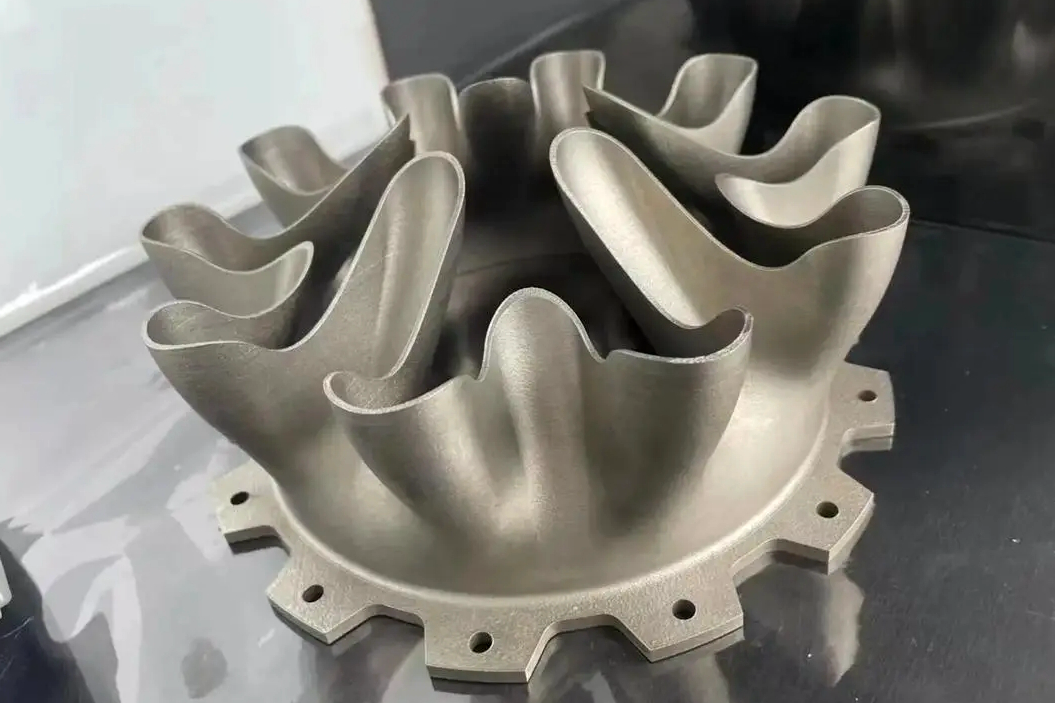
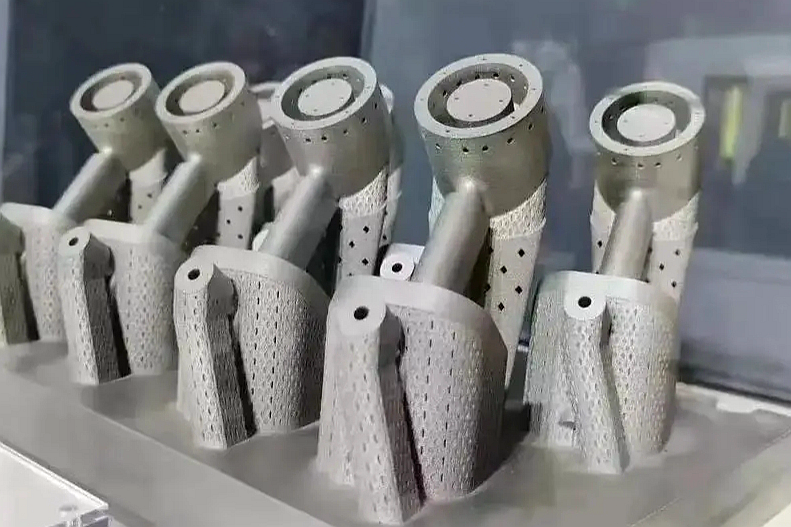
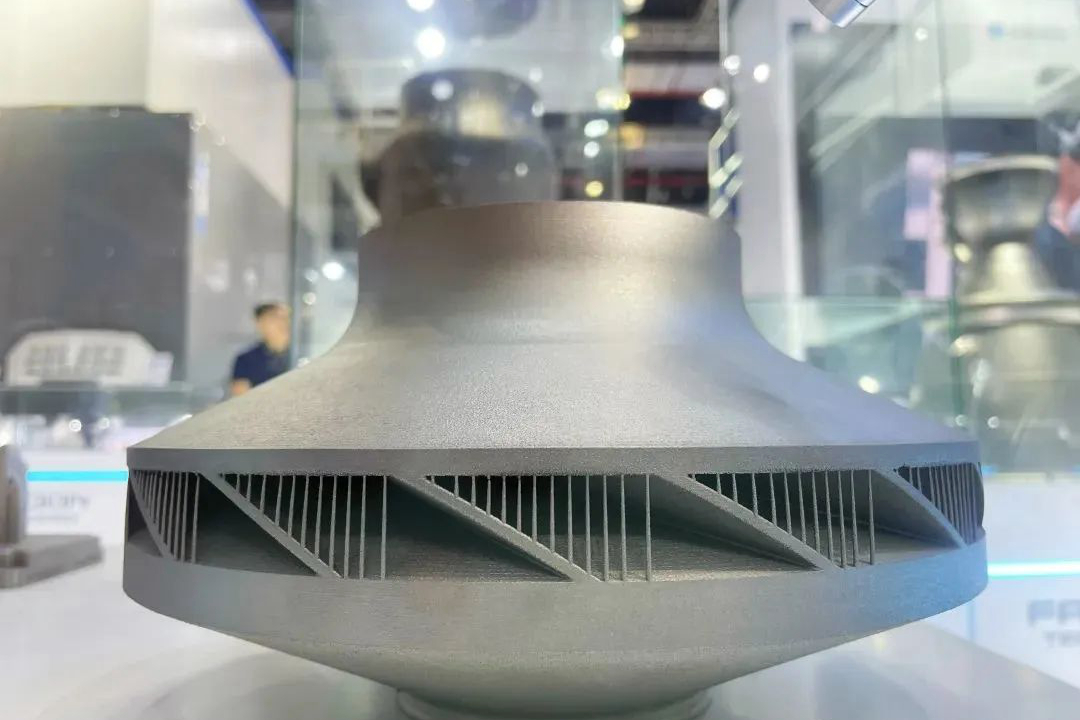
Как улучшается чистота поверхности титановых деталей, изготовленных по технологии WAAM, после печати...
Первоначальная черновая обработка для удаления припуска
Процесс улучшения чистоты поверхности начинается со значительной черновой обработки для удаления характерной волнистости и слоистых отметок титана WAAM в состоянии после наплавки. С использованием специализированных методов обработки на станках с ЧПУ, как правило, удаляется 3-8 мм материала со всех критических поверхностей. Этот шаг устраняет грубые неровности поверхности и обеспечивает равномерную базовую линию для последующих операций чистовой обработки. Учитывая низкую теплопроводность титана и его склонность к наклепу, при этой обработке используются оптимизированные режимы резания, системы подачи охлаждающей жидкости под высоким давлением и специальные геометрии инструмента для сохранения целостности поверхности при эффективном удалении материала.
Прецизионная чистовая обработка и профилирование
После черновой обработки прецизионная чистовая обработка обеспечивает окончательные допуски размеров и значительно улучшает шероховатость поверхности. Многоосевые системы ЧПУ выполняют операции следования по контуру, создавая гладкие, непрерывные поверхности с жесткими допусками. Для сложных внутренних элементов или глубоких полостей операции глубокого сверления и растачивания обеспечивают точный контроль размеров. Чистовые проходы используют уточненные параметры резания — меньшую глубину резания, более высокие скорости и специальные траектории инструмента — для достижения значений шероховатости поверхности Ra 0,8–1,6 мкм, что подходит для большинства структурных применений в аэрокосмической промышленности.
Абразивные и вибрационные методы финишной обработки
Для компонентов, требующих превосходного качества поверхности, абразивно-струйная обработка (AFM) особенно эффективна для титановых деталей WAAM. Этот процесс заставляет вязкую среду, содержащую абразив, проходить по поверхностям, равномерно удаляя заусенцы и полируя сложные геометрии, внутренние каналы и труднодоступные области. Вибрационная обработка керамическими носителями обеспечивает общее сглаживание поверхности и скругление кромок, в то время как дробеструйная обработка создает сжимающие напряжения, повышающие усталостную прочность. Для медицинских имплантатов или компонентов жидкостных систем электрохимическая полировка создает гладкую, зеркальную поверхность, одновременно пассивируя ее для повышения коррозионной стойкости.
Термическая обработка и окончательная проверка
Все процессы улучшения поверхности выполняются после критических термических обработок, включая горячее изостатическое прессование (ГИП) и отжиг для снятия напряжений, чтобы обеспечить стабильность размеров. Окончательное качество поверхности проверяется с помощью комплексного материаловедческого тестирования и анализа, включая измерения шероховатости поверхности, визуальный контроль и неразрушающий контроль, чтобы убедиться, что улучшенная чистота поверхности соответствует строгим требованиям для титановых компонентов в критических областях применения.