Как WAAM сравнивается с традиционными методами изготовления крупногабаритных деталей?
Сроки изготовления и скорость производства
Дуговая аддитивная технология изготовления (WAAM) обеспечивает значительно более короткие сроки производства по сравнению с традиционной ковкой, литьем или механической обработкой. Крупные компоненты, такие как корпуса турбин, аэрокосмические структурные рамы и корпуса высокого давления, обычно требуют длительных сроков изготовления при производстве методом вакуумного литья по выплавляемым моделям или ковки из-за подготовки оснастки, изготовления форм и циклов обработки материала. WAAM полностью исключает необходимость в оснастке и наносит материал с высокой скоростью, сокращая сроки изготовления с месяцев до недель — даже для деталей из жаропрочных сплавов метрового масштаба.
Эффективность использования материала и сокращение отходов
Традиционная механическая обработка из заготовок или поковок генерирует значительное количество отходов, особенно при производстве сложных или полых конструкций. WAAM создает геометрию, близкую к конечной форме, с минимальной последующей механической обработкой. Используя экономичную проволочную заготовку, WAAM минимизирует отходы — важное преимущество для дорогих суперсплавов, таких как Инконель, Хастеллой и титановые сплавы, обычно используемых в аддитивном производстве суперсплавов. Это приводит к значительной экономии затрат для отраслей, зависящих от крупных, высокоценных деталей.
Масштаб производства и гибкость проектирования
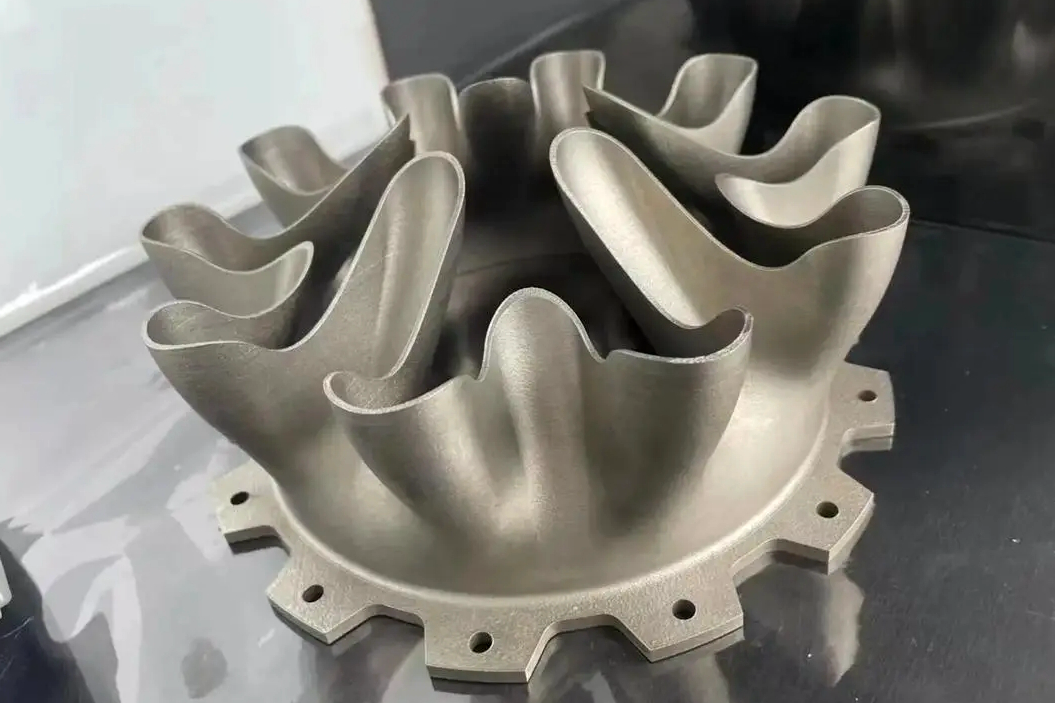
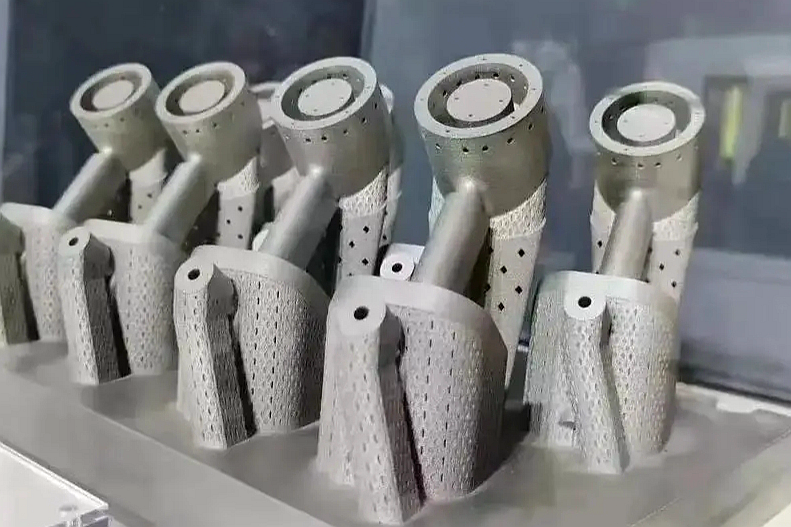
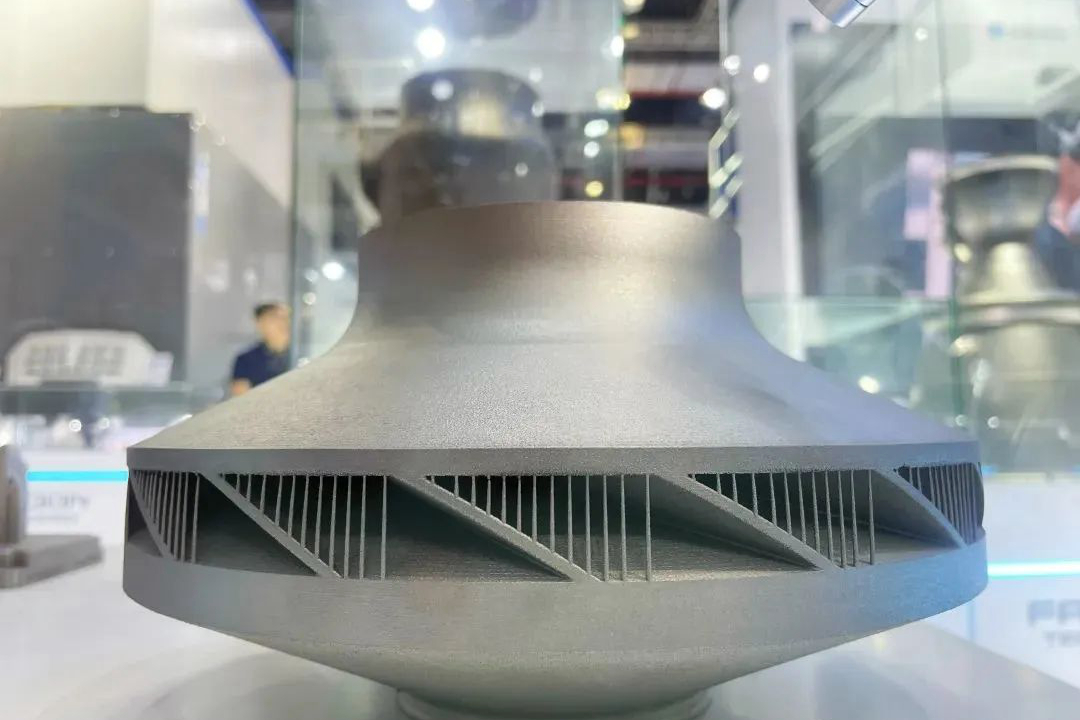
WAAM не ограничен размером камеры систем 3D-печати на порошковой подложке. Он может изготавливать многометровые компоненты и интегрировать сложные конструктивные особенности без необходимости сварки узлов или соединения нескольких секций. Традиционная ковка или литье могут требовать сегментированного производства и последующего соединения, что создает структурные разрывы. WAAM позволяет создавать монолитные конструкции с непрерывной микроструктурой, повышая прочность и долговечность крупных деталей, используемых в аэрокосмической, морской и энергетической отраслях.
Механические характеристики и последующая обработка
Хотя ковка по-прежнему обеспечивает отличные механические свойства, компоненты WAAM могут достигать сопоставимых характеристик в сочетании с этапами последующей обработки, такими как ГИП (горячее изостатическое прессование), термообработка и финишная обработка с помощью ЧПУ. WAAM также позволяет осуществлять локальное усиление или ремонт — возможности, которых традиционные методы не могут достичь без переделки или замены всего компонента.
Структура затрат и влияние на промышленность
WAAM значительно снижает затраты на крупносерийное производство, устраняя необходимость в ковочных штампах, литейных формах, длительных циклах механической обработки и избыточных запасах материала. Такие отрасли, как энергетика, нефтегазовая отрасль и тяжелое морское машиностроение, получают выгоду от возможности быстро, экономично и с отличными металлургическими характеристиками изготавливать или восстанавливать крупные детали.