Какой максимальный размер сборки для нержавеющих стальных компонентов в ваших системах 3D-печати?
Технологически зависимые объемы сборки
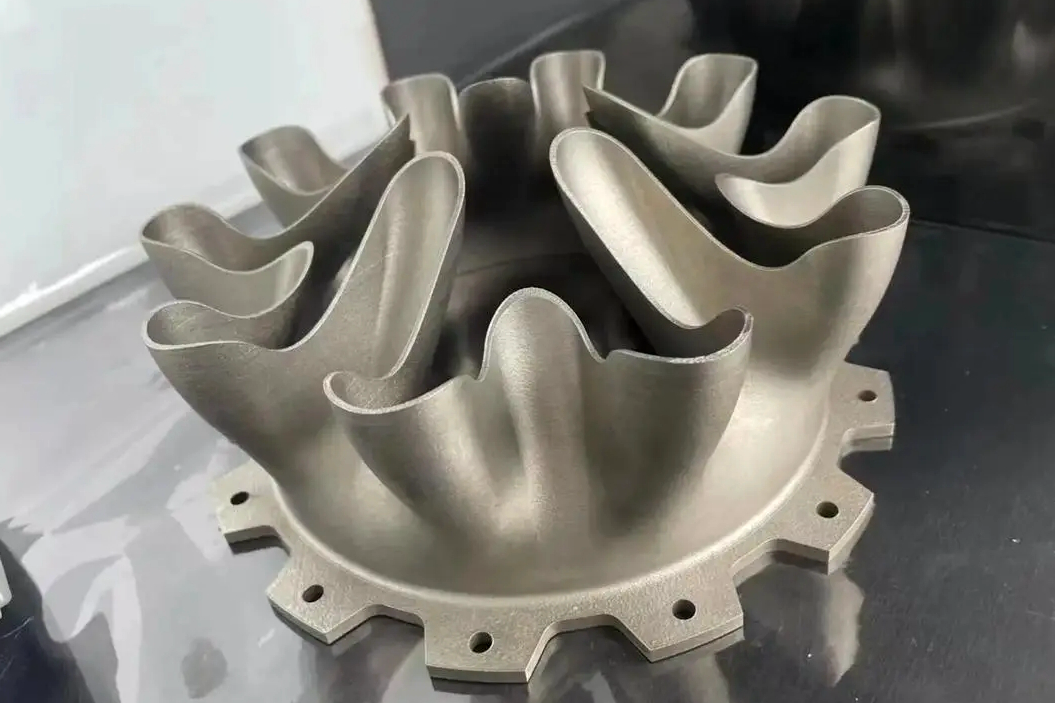
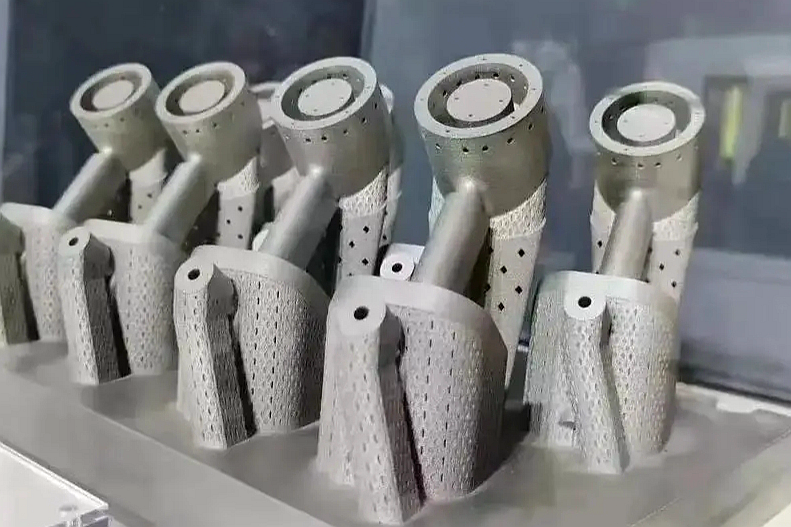
Максимальный размер сборки для компонентов из нержавеющей стали зависит от конкретной используемой технологии 3D-печати. Для высокоточного Лазерного сплавления порошкового слоя (LPBF/SLM) — наиболее распространенного промышленного метода для нержавеющих сталей, таких как 316L или 17-4 PH — стандартные промышленные машины предлагают объемы сборки, обычно варьирующиеся от 250 x 250 x 300 мм до 500 x 500 x 500 мм. Доступны LPBF-системы большего формата, приближающиеся к 800 x 400 x 500 мм, но они менее распространены.
Крупномасштабные решения с направленным энергетическим осаждением
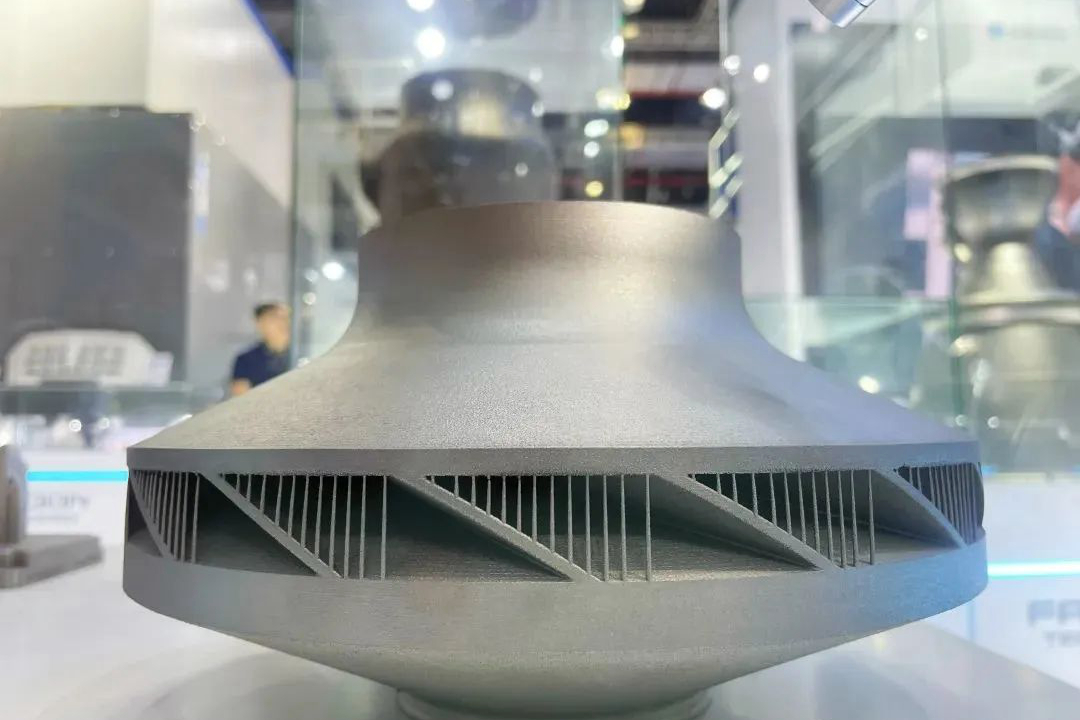
Для значительно более крупных компонентов используются технологии Направленного энергетического осаждения (DED), такие как лазерное проволочное осаждение или проволочная дуговая аддитивная технология (WAAM). Эти системы не ограничены порошковым слоем и могут создавать элементы на крупных существующих компонентах или изготавливать новые детали с рабочими областями, часто превышающими 1 x 1 x 1 метр, а в некоторых портальных или роботизированных установках — несколько метров в одном или нескольких измерениях. Компромиссом является более низкое разрешение и качество поверхности по сравнению с LPBF.
Струйное склеивание для крупных деталей с высокой производительностью
Струйное склеивание — еще одна аддитивная технология, подходящая для нержавеющей стали, в основном для инструментов и некритичных компонентов. Она предлагает одни из самых больших объемов сборки в аддитивном производстве: промышленные системы способны производить детали в рабочих областях до 800 x 500 x 400 мм за один цикл печати. Этот процесс требует последующего спекания и инфильтрации, что приводит к значительной и предсказуемой усадке детали.
Практические соображения и масштабируемость
Крайне важно отметить, что «максимальный размер сборки» — это не просто размер камеры. Практические ограничения включают тепловое управление, контроль искажений, а также обработку порошка или проволоки для крупных деталей. Для компонентов, превышающих стандартный объем машины, распространенным инженерным решением является проектирование для сборки, при котором деталь разделяется на печатаемые секции, а затем соединяется с помощью прецизионной механической обработки и сварки или механического крепления после печати. Этот подход часто используется в таких отраслях, как аэрокосмическая промышленность и энергетика, для производства крупных сложных конструкций.
Резюме и выбор технологии
В итоге: • LPBF (SLM): Высокая точность, до ~500 мм куб (типично). • DED (Лазер/Проволока): Крупномасштабное осаждение, потенциал в несколько метров. • Струйное склеивание: Массовое производство, до ~800 мм. Оптимальный процесс зависит от требуемых детализации элементов, механических свойств и возможностей последующей обработки, таких как термообработка и ЧПУ-обработка для окончательных размеров.