Какие наиболее распространенные виды постобработки используются для деталей из нержавеющей стали, из...
Снятие напряжений и термическая обработка
Наиболее критичным и распространенным этапом постобработки деталей из нержавеющей стали, изготовленных методом селективного лазерного плавления (SLM), является отжиг для снятия напряжений или полная термическая обработка. Быстрые циклы нагрева и охлаждения процесса SLM создают значительные остаточные напряжения, которые могут привести к деформации детали или снижению усталостной долговечности. Контролируемый цикл термической обработки снимает эти внутренние напряжения, стабилизирует микроструктуру и может быть настроен для оптимизации механических свойств, таких как повышение прочности и коррозионной стойкости марок типа 316L или упрочнение за счет выделения дисперсных частиц в 17-4 PH.
Удаление опор и финишная обработка поверхности
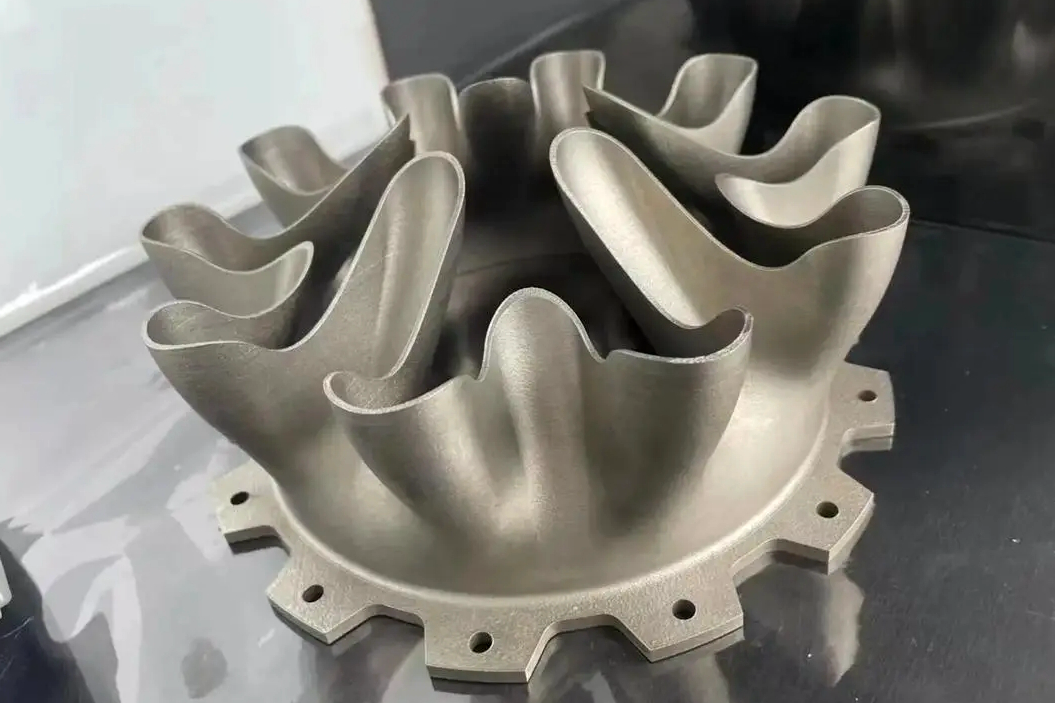
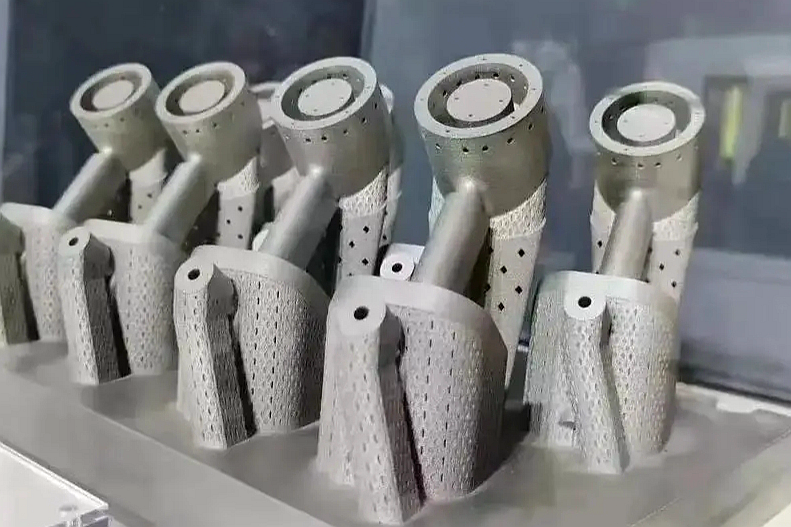
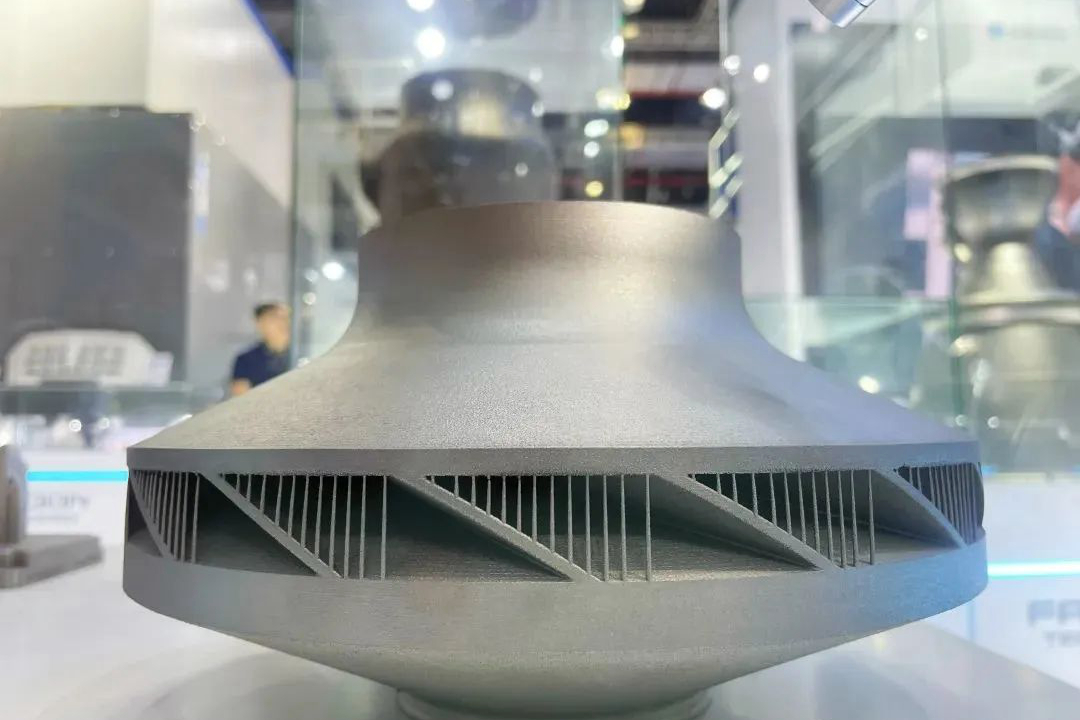
После термической обработки обязательным является удаление опорных структур. Обычно это делается путем ручного отламывания, резки или механической обработки. Поверхность детали в состоянии после печати SLM, характеризующаяся частично расплавленными частицами порошка и следами от слоев, часто непригодна для функционального применения. Распространенные методы финишной обработки поверхности включают:
Механическая обработка: Обработка на станках с ЧПУ используется для достижения жестких допусков на критически важных функциональных поверхностях и интерфейсах.
Абразивная обработка: Применяются такие процессы, как вибрационная обработка, дробеструйная обработка или струйная обработка, для снижения шероховатости поверхности (Ra), удаления прилипшего порошка и улучшения эстетики.
Продвинутая полировка: Для применений, требующих сверхгладких поверхностей, например, в фармацевтической и пищевой промышленности, может применяться электрохимичес�ая полировка или ручная полировка.
Уплотнение и повышение целостности
Для деталей, подвергающихся высокому давлению, циклическим нагрузкам или выполняющих критически важные структурные функции, горячее изостатическое прессование (ГИП) является жизненно важным постпроцессом. ГИП воздействует на компонент высокой температурой и изостатическим газовым давлением, эффективно закрывая внутренние микроскопические поры и пустоты, присущие процессу SLM. Это приводит к почти теоретической плотности, значительному улучшению усталостной прочности, вязкости разрушения и более изотропным механическим свойствам, что крайне важно для требовательных секторов, таких как аэрокосмическая и авиационная промышленность или ядерная энергетика.
Финальные обработки и валидация
Финальные этапы постобработки обеспечивают функциональную готовность и соответствие требованиям. Для нержавеющих сталей часто используется пассивация для удаления свободных частиц железа с поверхности и усиления естественного оксидного слоя хрома, восстанавливая максимальную коррозионную стойкость. Наконец, проводятся комплексная инспекция и испытания и анализ материалов. Это включает проверку размеров, капиллярный контроль на поверхностные дефекты и механические испытания для подтверждения того, что деталь после постобработки соответствует всем заданным критериям производительности для ее целевого применения.