Какие наиболее распространенные методы постобработки пластиковых деталей?
Основное удаление опор и очистка
Наиболее немедленный и распространенный этап постобработки пластиковых деталей, особенно полученных с помощью 3D-печати пластиком, — это удаление опор и очистка. Для деталей, изготовленных методом послойного наплавления (FDM), это включает ручное или инструментальное удаление опорных структур с последующей шлифовкой для сглаживания точек контакта. Для деталей, изготовленных методом стереолитографии (SLA) и аналогичных процессов на основе смолы, детали промываются в растворителях, таких как изопропиловый спирт, для удаления незатвердевшей жидкой смолы, а затем подвергаются пост-отверждению под ультрафиолетовым светом для достижения окончательной полимеризации и механической стабильности. Правильная очистка является основой для всей последующей отделки и испытаний и анализа материалов.
Поверхностная отделка для эстетики и функциональности
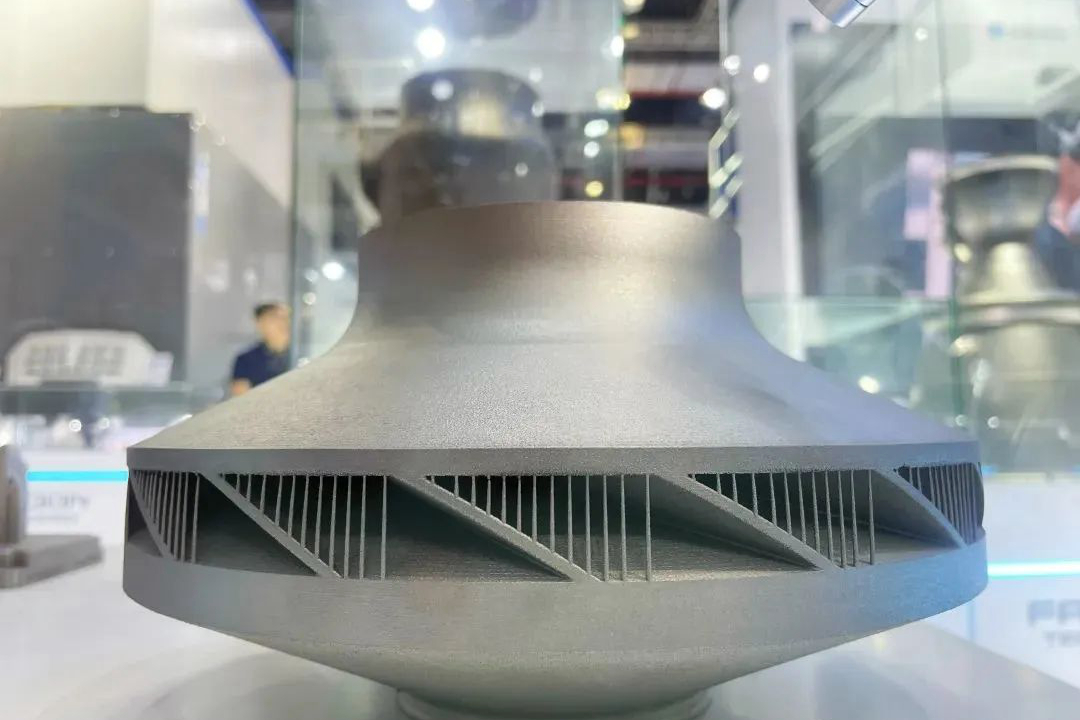
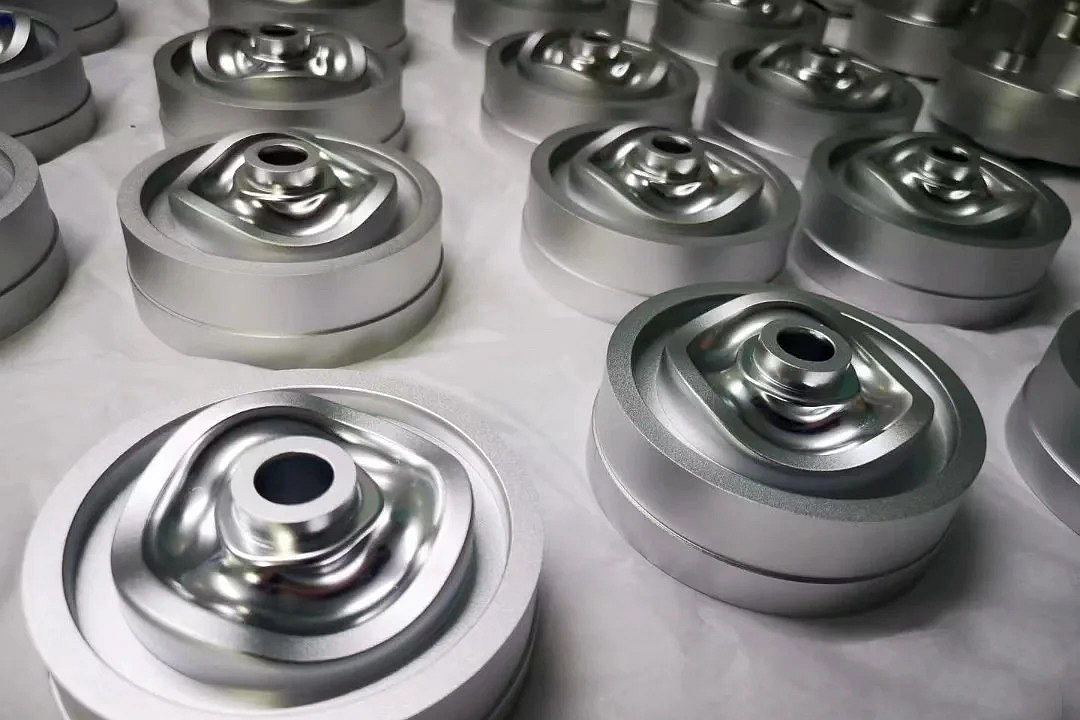
Для устранения следов слоев и достижения желаемых качеств поверхности применяется несколько стандартных техник. Шлифовка и полировка: Ручной многоэтапный процесс с использованием постепенно более мелкой абразивности, часто с последующим применением полировальных паст для создания гладкой, глянцевой поверхности. Паровое сглаживание: Особенно для деталей из АБС, этот метод предполагает воздействие на деталь парами растворителя, которые слегка расплавляют поверхность, сливая следы слоев в гладкую поверхность. Абразивоструйная обработка (пескоструйная обработка стеклянными шариками): Использование мелких стеклянных шариков или другого мягкого абразива под давлением для равномерного текстурирования поверхности, что приводит к однородной матовой отделке, похожей на сатин, идеальной для визуальных прототипов и функциональных деталей.
Точность размеров и механическая обработка
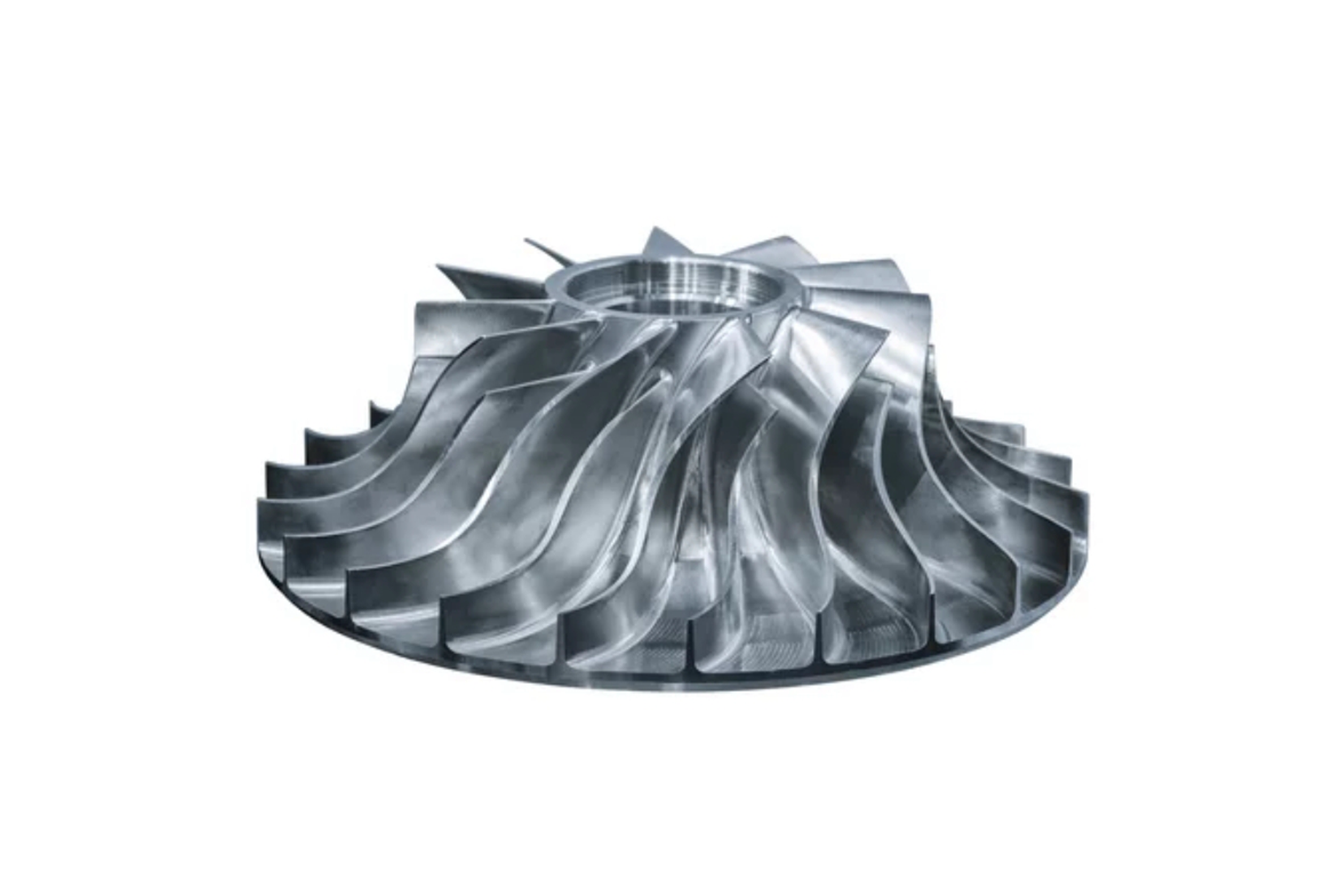
Для инженерных применений, требующих жестких допусков на определенные элементы, ч�сто и�пользуется субтрактивная механическая обработка. Фрезерная обработка с ЧПУ используется для сверления точных отверстий, создания плоских уплотнительных поверхностей или получения точной резьбы, которую может быть сложно напечатать непосредственно. Этот гибридный подход к производству сочетает в себе свободу проектирования аддитивного производства с точностью ЧПУ. Аналогично, технологии глубокого сверления могут быть адаптированы для пластиков, где это требуется.
Соединение, сборка и покрытие
Многие пластиковые детали требуют сборки или улучшенных поверхностных свойств. Склеивание и сварка: Пластиковые детали обычно собираются с использованием специализированных промышленных клеев или методов сварки, таких как ультразвуковая, трение или сварка растворителем, для получения прочных, постоянных соединений. Покраска и нанесение покрытий: Грунтовка и покраска используются для нанесения цвета, обеспечения защиты от ультрафиолета или добавления определенной текстуры. Функциональные покрытия также могут наноситься для таких целей, как влагостойкость или электроизоляция. Для высокопроизводительных термопластов, таких как PEEK, эти обработки обеспечивают производительность в требовательных секторах, таких как аэрокосмическая и авиационная промышленность или медицина и здравоохранение.
Обработки для повышения производительности
Для функциональных прототипов и деталей конечного использования обработки для улучшения механических или термических свойств имеют решающее значение. Отжиг: Контролируемая термическая обработка ниже температуры деформации материала снимает внутренние напряжения, возникшие в процессе печати, улучшая стабильность размеров и повышая термостойкость и прочность. Пропитка: Для пористых пластиковых деталей используется проникающий герметик (например, эпоксидная смола, воск) для заполнения пустот, создавая водонепроницаемый и более прочный компонент. Эти этапы постобработки жизненно важны для обеспечения надежности пластиковых деталей в критических применениях.