Какие преимущества использования SLM для алюминиевых деталей по сравнению с традиционными методами?
Сложная геометрия и облегченный дизайн
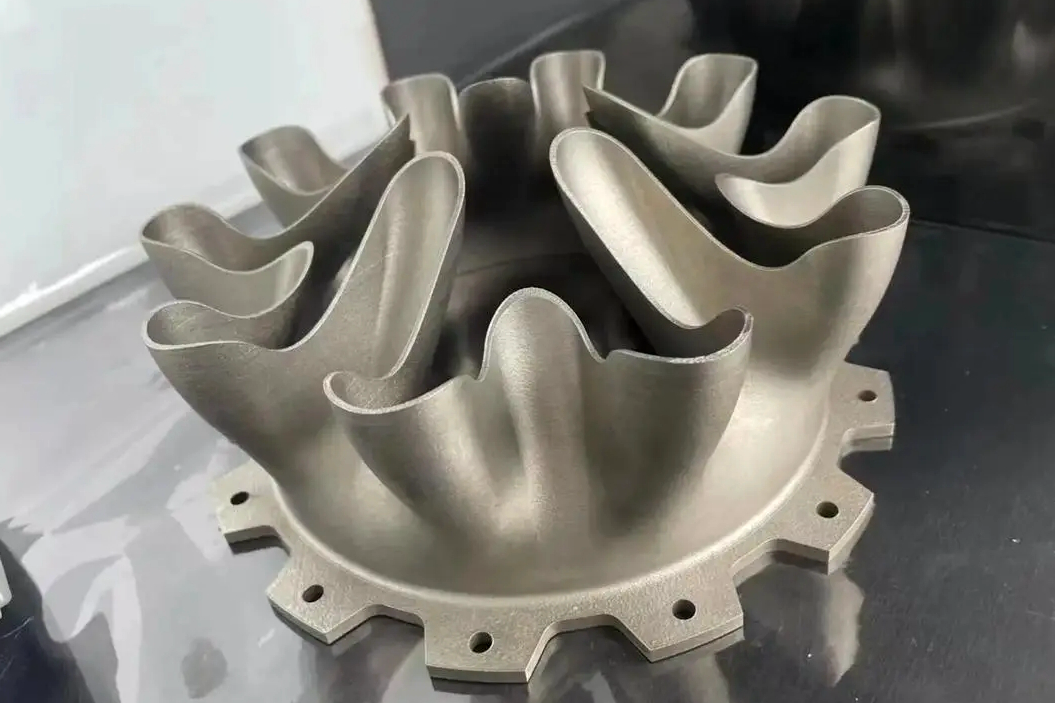
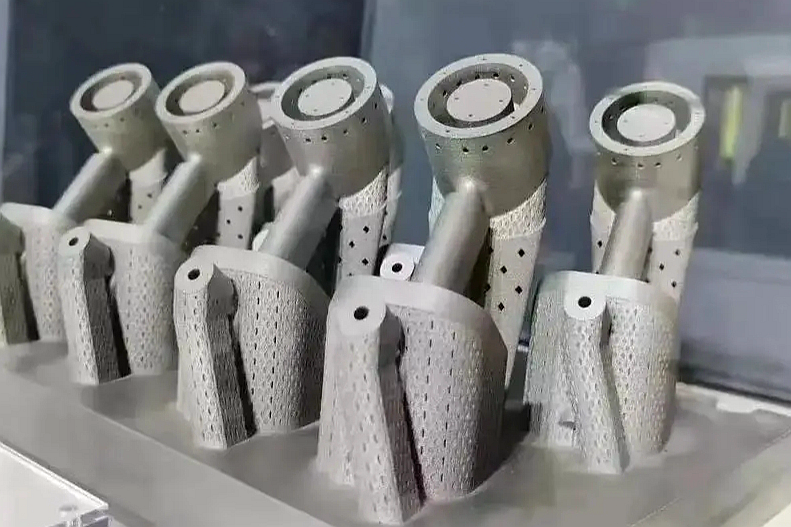
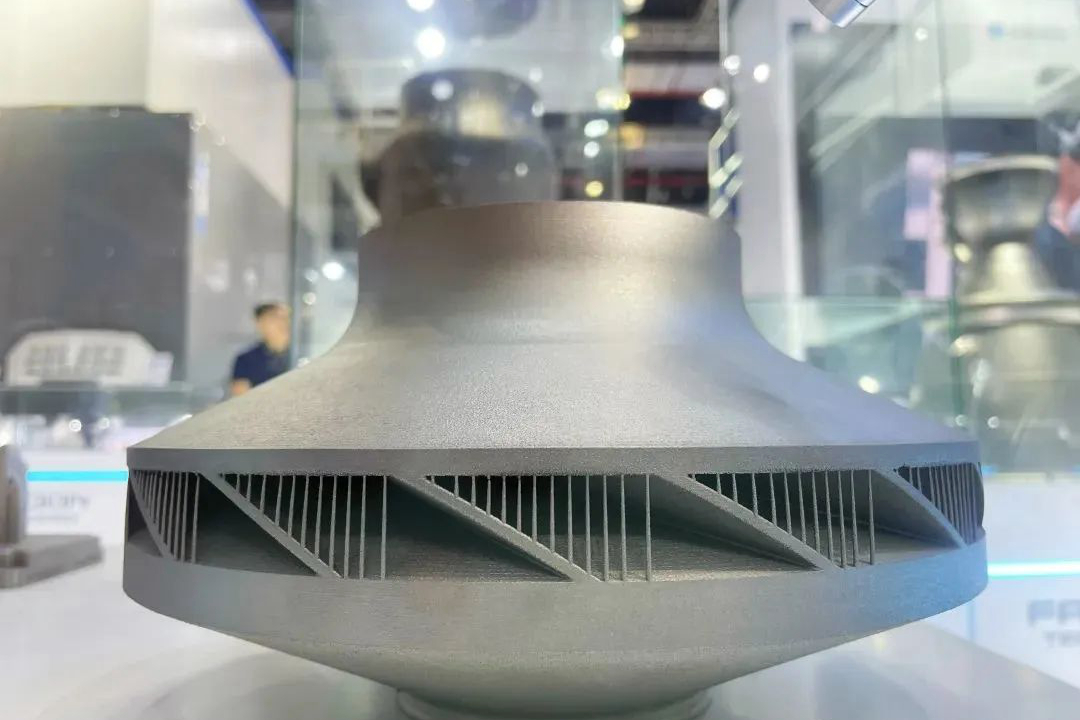
Основным преимуществом использования селективного лазерного плавления (SLM) для алюминиевых деталей является его способность создавать легкие, высокосложные геометрии, которые невозможно произвести методом литья или механической обработки. С помощью 3D-печати алюминием инженеры могут интегрировать внутренние каналы, решетчатые структуры, поднутрения и тонкие стенки без ограничений, связанных с оснасткой. Эта свобода проектирования особенно ценна для аэрокосмической и авиационной отраслей, где каждый грамм снижения веса способствует повышению производительности и топливной эффективности.
Превосходная материальная эффективность и отсутствие оснастки
Традиционные методы производства алюминия, такие как механическая обработка из заготовки или литье, требуют значительного удаления материала или дорогостоящего изготовления форм. SLM устраняет эти ограничения, послойно создавая компоненты непосредственно из CAD-данных, что приводит к получению деталей, близких к конечной форме, с минимальными отходами. Это значительно снижает затраты на мелкосерийное производство и быстрое прототипирование, особенно для сплавов, таких как AlSi10Mg, которые широко используются для легких конструкций.
Улучшенные тепловые и структурные характеристики
Быстрое затвердевание при SLM создает мелкозернистые микроструктуры, которые часто обеспечивают более высокое отношение прочности к весу по сравнению с литым алюминием. Этот процесс также позволяет инженерам проектировать усовершенствованные элементы управления теплом, такие как оптимизированные ребра радиаторов или конформные охлаждающие каналы, без ограничений традиционного производства. Это делает SLM идеальным для компонентов в автомобильной промышленности, электронике и силовых системах, где тепловая эффективность имеет критическое значение.
Сокращенные сроки поставки и более быстрая итерация
SLM обеспечивает быстрое производство от CAD к детали без необходимости в литейных формах, штампах для ковки или сложных настройках механической обработки. Обновления дизайна могут быть реализованы мгновенно, что значительно ускоряет циклы разработки корпусов, структурных опор и аэродинамических компонентов. Для таких отраслей, как энергетика и судостроение, производство по запросу сокращает время простоя и повышает устойчивость цепочки поставок.