Какие преимущества в стоимости предлагает WAAM для крупногабаритных алюминиевых конструкций?
Эффективность материала и наплавки
Дуговая аддитивная технология (WAAM) обеспечивает значительные преимущества в стоимости для крупногабаритных алюминиевых конструкций, поскольку использует проволочный материал, который существенно дешевле, чем распыленный порошок, необходимый для порошковых процессов. Проволока имеет почти 100% использование, устраняя отходы и сложность обращения, связанные с избытком алюминиевого порошка. Чрезвычайно высокие скорости наплавки WAAM — часто 5–10 кг в час — позволяют быстро наращивать крупные геометрии, значительно сокращая время производства и стоимость за килограмм наплавленного материала по сравнению с лазерными системами, такими как SLM или DMLS.
Для крупных алюминиевых сплавов, включая AlSi10Mg, экономическая выгода становится все более заметной по мере увеличения размера компонента.
Устранение крупной оснастки и сварных узлов
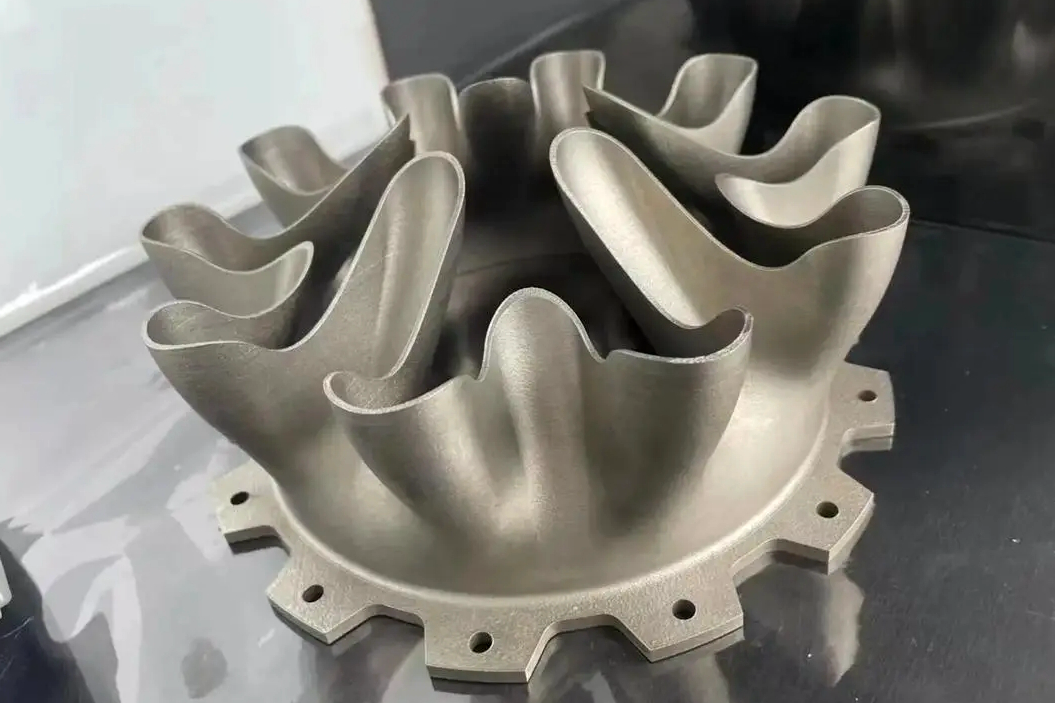
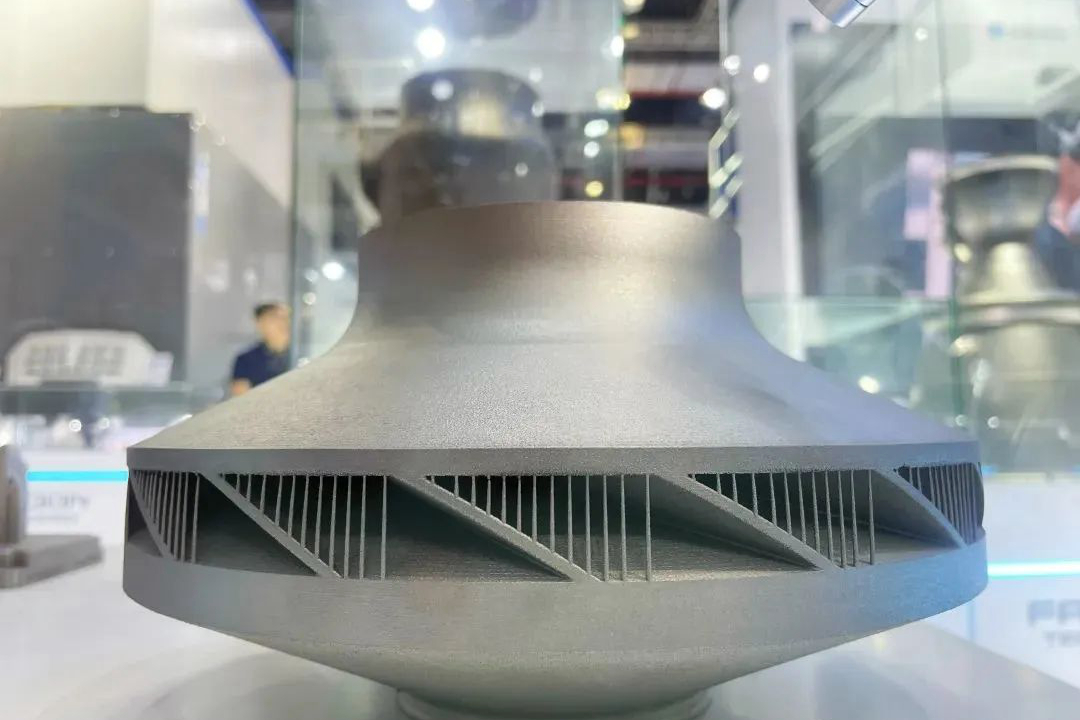
WAAM позволяет производителям создавать алюминиевые компоненты метрового масштаба в виде единых монолитных конструкций. Это устраняет необходимость в крупных литейных формах, сложных приспособлениях или многокомпонентных сварных узлах, которые значительно увеличивают традиционные производственные затраты. Заменяя сварные алюминиевые конструкции на WAAM-изделия, близкие к конечной форме, производители также сокращают трудозатраты и сложность контроля, одновременно повышая структурную целостность.
Такие отрасли, как аэрокосмическая и энергетика, получают выгоду от меньших инвестиций в оснастку и сокращенного времени сборки.
Более низкие эксплуатационные расходы оборудования
Системы WAAM имеют гораздо более низкие капитальные и эксплуатационные затраты, чем лазерные порошковые системы. Дуговые технологии используют коммерчески доступные сварочные платформы, потребляют меньше энергии и не требуют оборудования для обработки порошка с интенсивным использованием инертного газа. Камеры построения не имеют ограничений по размеру, что позволяет производителям масштабировать производство без дорогих лазерных систем большого формата.
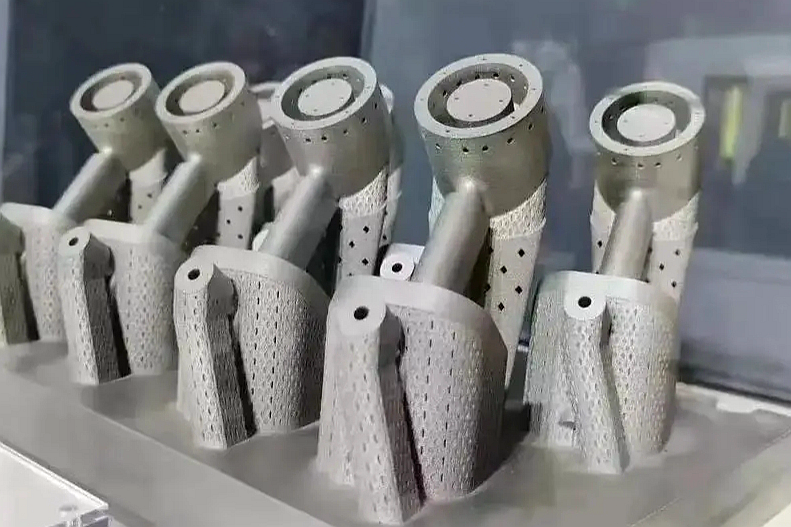
Это делает WAAM исключительно экономически эффективным для крупных алюминиевых корпусов, ребер, опорных конструкций, сосудов под давлением и промышленных компонентов.
Сокращение сроков поставки и более быстрая итерация
Поскольку WAAM не требует оснастки, сложных форм или длительных сроков литья, крупные алюминиевые детали могут быть произведены гораздо быстрее. Инженерные команды могут быстро итерировать дизайны, корректируя траектории наплавки, что невозможно при традиционном литье или обработке крупногабаритных деталей. Это сокращение сроков поставки напрямую приводит к снижению общей стоимости программы — что особенно ценно в циклах аэрокосмической разработки и крупных промышленных проектах.