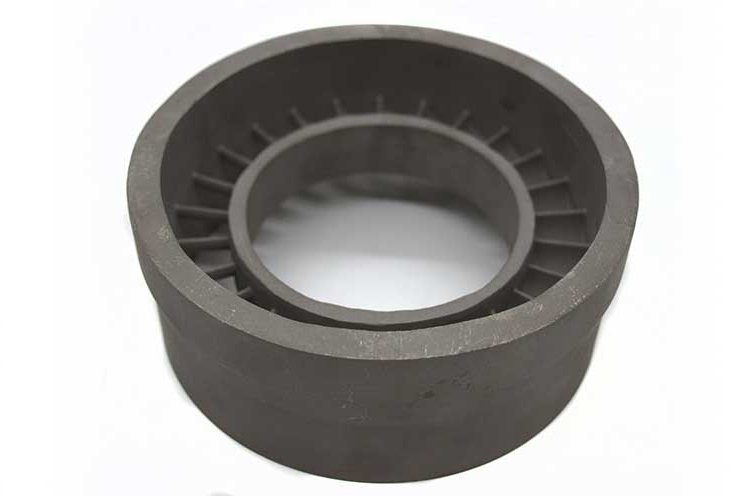
Rene 41 Turbine Nozzle Ring Casting RFQ Route
A Rene 41 turbine nozzle ring RFQ should begin with the actual manufacturing boundary, not only the alloy name. A buyer may need a rough ring casting, a semi-machined blank for local finishing, or a finished nozzle hardware package with seal faces, bolt features, coating-ready surfaces, and inspection records. Those three supply scopes use the same material label but create very different tooling, heat treatment, machining, and release questions.
NewayAeroTech can review Rene 41 projects when the buyer provides a drawing, model, alloy specification, quantity, delivery condition, inspection requirement, and any used sample notes. For nozzle rings, the supplier also needs to know whether the ring is one continuous casting, segmented hardware, or a cast blank that will be split, welded, or machined into final assembly form by the buyer.
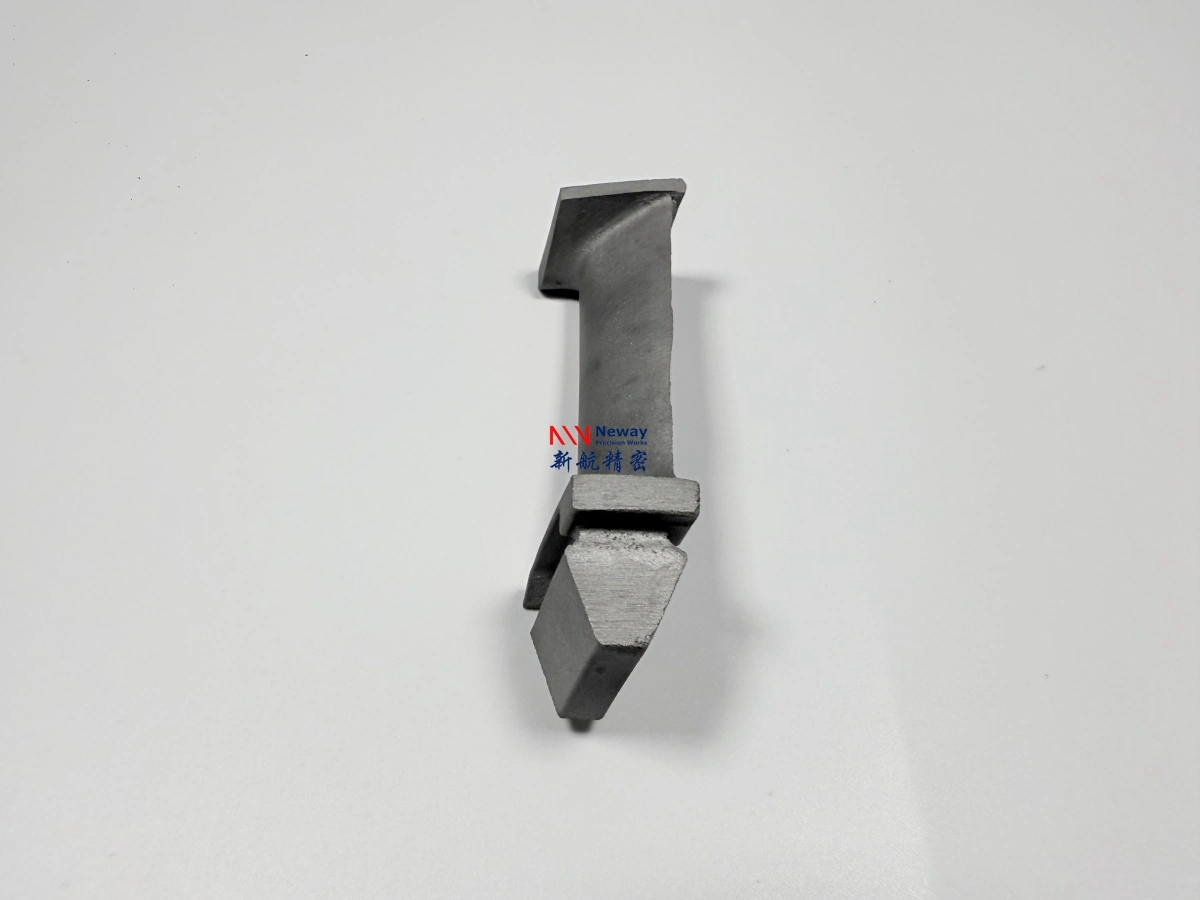
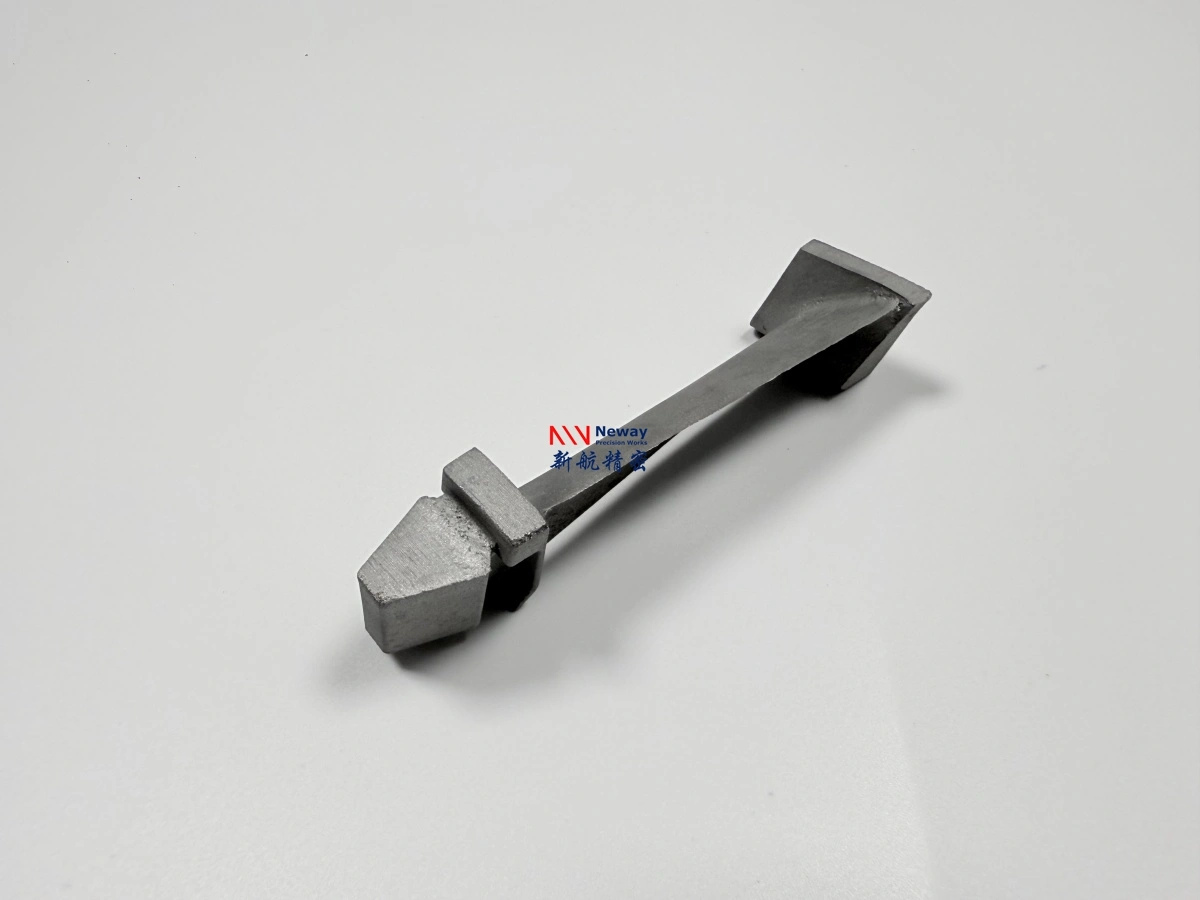
Confirm Rene 41 Material Requirement Before Nozzle Ring Quotation
For this RFQ, buyers should first define whether Rene 41 is mandatory by drawing, controlled by a buyer material specification, or still under comparison with another nickel superalloy. A foundry can quote a manufacturable route only after it knows the chemistry requirement, heat-treatment condition, mechanical record expectation, and whether material substitution is forbidden. If the drawing simply says Rene 41 without a release standard, the quotation may miss the records the buyer expects at delivery.
Rene 41 is often discussed for hot hardware because buyers want strength retention, oxidation resistance, and high-temperature capability in compact components. For a nozzle ring, those material requirements meet ring geometry, thermal exposure, seal-face function, and downstream machining. The RFQ should identify the gas-path side, mounting side, seal land, bolt features, and any faces that will be coated, welded, blended, or inspected after casting.
If a legacy part or sample is being replaced, do not treat the sample as final material proof. A used ring can carry oxidation scale, coating residue, repair marks, or deformation that obscures original dimensions. The buyer should provide drawing authority, material callout, and sample condition notes separately. NewayAeroTech can review the physical reference, but the final quote should be anchored to buyer-approved geometry and alloy requirements.
Material question | Rene 41 nozzle ring risk | RFQ evidence to send |
|---|---|---|
Specification control | Different chemistry and heat-treatment references can change release records. | Material specification, revision, and required certificate or test report type. |
Delivery condition | A rough casting, heat-treated blank, and finished ring are not the same scope. | Expected condition at shipment and buyer-side operations after receipt. |
Thermal exposure | Hot-face zones may need extra inspection or coating preparation. | Hot gas side, protected side, coating notes, and service environment summary. |
Sample authority | Worn or repaired samples can mislead tooling and machining stock decisions. | Sample photos, wear map, known deformation, and drawing conflict list. |
The supplier cannot quote the route responsibly until the material release boundary is settled. If the buyer needs a route review before the final drawing is frozen, label the work as manufacturability review or prototype quotation. That prevents an early budget estimate from being mistaken for a production release package.
Ring Geometry, Gating, and Distortion Issues to Discuss Early
Nozzle rings create casting risk because they combine circular geometry with thin flow-path sections, local lugs, bolt pads, seal lands, and interrupted wall thickness. A small local change can shift feeding, shrinkage, and distortion behavior around the ring. For vacuum investment casting, the supplier should review whether the part is quoted as a full ring, arc segment, paired segment, or blank that will be machined into the final profile.
The RFQ should show minimum wall thickness, maximum ring diameter, chord or segment length, cross-section variation, and areas where local stock may be added. Buyers should mark critical flow-path surfaces separately from envelope surfaces that can accept cleanup. If every surface is marked equally critical, tooling and inspection effort rise quickly, and the supplier may not know which deviations truly affect assembly.
Gating and riser design should be discussed as manufacturing responsibility, not a buyer drawing feature. The buyer does not need to design the casting system, but it should identify no-go areas for gate contact, cosmetic surfaces, seal faces, and thin vanes or ribs. A nozzle ring with a delicate inner flow path may require different gate removal planning than a heavy outer mounting flange.
Distortion planning is especially important when the ring will be heat treated before machining. Roundness, flatness, and concentricity can change between as-cast, post-heat-treatment, and post-machining stages. A quote that includes only final dimensions may hide the cost of intermediate control. Ask the supplier which inspection stage proves the ring is suitable for machining and which stage proves final acceptance.
Ring feature | Manufacturing decision | Buyer note that improves the quote |
|---|---|---|
Inner flow path | Controls ceramic shell access, cleaning, and local surface review. | Show functional zones and whether as-cast surface is acceptable. |
Outer mounting flange | May drive machining stock, fixturing, and CMM datum selection. | Mark bolt pads, datum faces, and final machining depth. |
Segment split line | Changes tooling, gate removal, and assembly-face cleanup. | Define whether split faces are cast, sawed, EDM-cut, or machined. |
Seal land | Often needs protected stock and inspection after heat treatment. | State surface finish, flatness, and report requirement. |
For a prototype ring, a buyer may accept additional witness stock or local cleanup tabs to learn the casting route. For repeat orders, those features should be controlled or removed from the production plan. Separate those stages in the RFQ so the supplier does not price prototype learning as if it were a stable repeat run.
Heat Treatment and CNC Seal-Face Planning for Rene 41
Rene 41 nozzle ring quotations should state who owns heat treatment, intermediate inspection, and final CNC machining. Heat treatment can affect ring stability, while machining determines whether seal faces, bolt patterns, rabbet diameters, and assembly interfaces meet drawing intent. If NewayAeroTech quotes superalloy CNC machining together with casting, the buyer should provide final tolerance zones and identify which surfaces must be left with machining allowance after casting.
Seal-face planning needs more detail than a simple surface finish note. The RFQ should identify which face seals against another component, which diameter controls concentricity, and whether the ring is clamped, bolted, or located by a rabbet. Without this information, a supplier may place stock in the wrong direction or machine a cosmetic surface while leaving the true assembly face underdefined.
Machining sequence can also change inspection evidence. Some buyers want material and surface inspection before cutting, then final CMM after machining. Others prefer machining first, followed by FPI and dimensional release. For Rene 41, the chosen sequence should consider casting cleanup, heat-treatment distortion, stock condition, and the risk of opening surface indications during machining.
If the buyer will perform final machining internally, the casting supplier still needs a stock map. Define radial stock, axial stock, datum pads, and features where no extra stock is allowed. A rough ring shipped without this map may appear economical, but it can leave the buyer with insufficient cleanup on seal faces or too much material in difficult-to-machine zones.
Post-process responsibility should be quoted as line items: casting, heat treatment, rough finishing, fixture machining, final machining, surface blending, FPI, X-ray if required, CMM, and packaging. This makes supplier comparisons more useful. A low casting-only number should not be compared with a finished ring quote that includes process control and release documentation.
Inspection Evidence for Turbine Nozzle Ring Acceptance
Inspection for a Rene 41 nozzle ring should follow the features that drive fit, flow path, and release risk. Visual inspection alone cannot answer whether a machined seal face cleans up, whether the ring remains round after heat treatment, or whether casting indications are present in critical zones. The buyer should define inspection zones before the quote is finalized.
Common evidence may include material records, dimensional checks, CMM for datums and seal faces, FPI for surface indications, X-ray for internal casting risk where specified, and visual review after gate removal. If the ring has thin sections or difficult internal surfaces, ask whether the supplier recommends additional review before tooling approval. NewayAeroTech can support material testing and analysis when the acceptance standard is defined by the buyer.
First-article validation should be separated from repeat-lot inspection. The first ring may need a fuller report to prove the tooling route, heat-treatment stability, machining stock, and inspection method. Later lots may use a tighter recurring record set if the buyer approves it. The RFQ should state which records are required for first article and which repeat for every shipment.
Inspection point | Stage to consider | Acceptance question answered |
|---|---|---|
Roundness and flatness | After heat treatment and after final machining. | Can the ring assemble without forcing or local correction? |
Seal-face dimensions | After final CNC machining. | Do the functional faces and diameters match the datum scheme? |
Surface indications | After cleanup and again after machining if required. | Are critical surfaces free from rejectable indications? |
Internal casting condition | Before machining when X-ray or CT is specified. | Is there hidden shrinkage or inclusion risk in defined zones? |
Inspection wording should avoid vague phrases such as full inspection without defining method, feature, and report format. A buyer can ask for a CMM report for selected datum features, FPI on flow-path and seal surfaces, and X-ray review in heavy-section transitions. That is clearer than asking every supplier to guess what quality evidence means.
RFQ Checklist for Rene 41 Nozzle Ring Casting Suppliers
A practical RFQ package for a Rene 41 nozzle ring should include the 2D drawing, 3D model, alloy specification, heat-treatment requirement, quantity, expected delivery condition, target manufacturing route, functional surface map, inspection records, and first-article release criteria. If the part is a replacement for existing hardware, add sample photos, measurement points, damage notes, and a statement that buyer-approved drawing geometry controls final acceptance.
Ask the supplier to identify route assumptions in the quotation. For example, is the ring quoted as vacuum investment casting only, casting plus heat treatment, or a complete package with CNC machining and inspection? Is the supplier assuming a full ring or segments? Are gates removed to a cosmetic blend, to machining stock, or to a defined surface requirement? These assumptions affect price and technical risk more than the material name alone.
The quotation should also clarify drawing gaps. If the drawing does not define wall thickness tolerance, surface finish, datum sequence, or inspection method, the supplier should list the open point instead of silently pricing around it. That makes the buyer's comparison fairer and reduces rework after purchase order release.
For small-batch or prototype work, ask for a first-article route that can be reviewed before repeat pieces are released. The first article should prove casting feasibility, heat-treatment stability, machining stock, and inspection format. If the buyer expects repeat supply, the RFQ should state whether tooling, gauges, and inspection records should be designed for recurring orders or only for a one-time engineering lot.
Send NewayAeroTech the Rene 41 material callout, nozzle ring drawing, model, quantity, machined-surface map, heat-treatment requirement, inspection standard, and delivery condition. A complete RFQ lets the supplier separate casting risk from machining risk and propose a manufacturing scope that matches the buyer's acceptance plan.
Related FAQs
What key challenges arise when casting superalloys like CMSX and Rene for single crystal use?
What makes CMSX and Rene alloys ideal for single crystal guide vane casting?
How do CMSX and Rene alloys enhance single crystal guide blade performance?
What are the most common defects in superalloy castings and how are they detected?
How do CNC and traditional machining differ for superalloy castings?
Which testing methods ensure quality of superalloy components?