What Makes CMSX and Rene Alloys Ideal for Single Crystal Guide Vane Casting?
Optimized Composition for Static High-Temperature Service
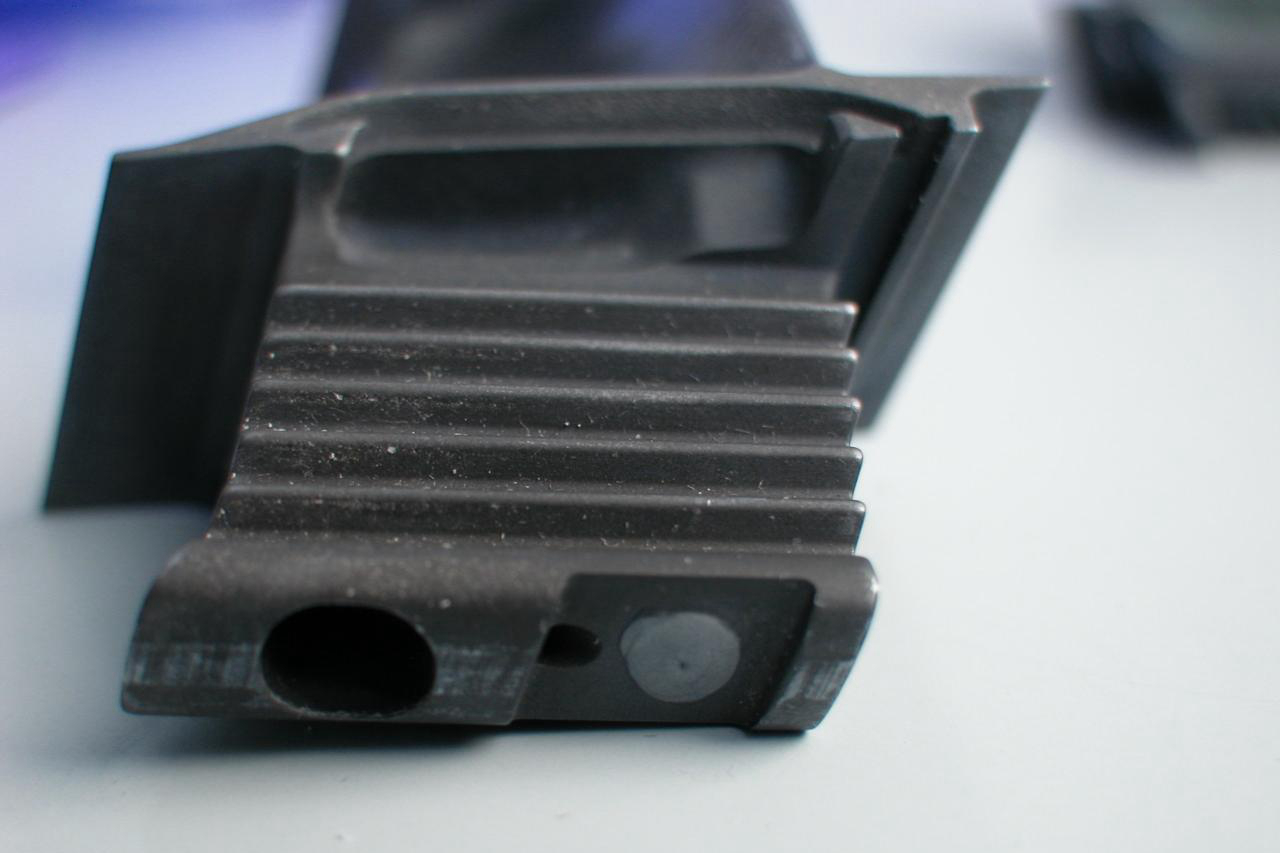
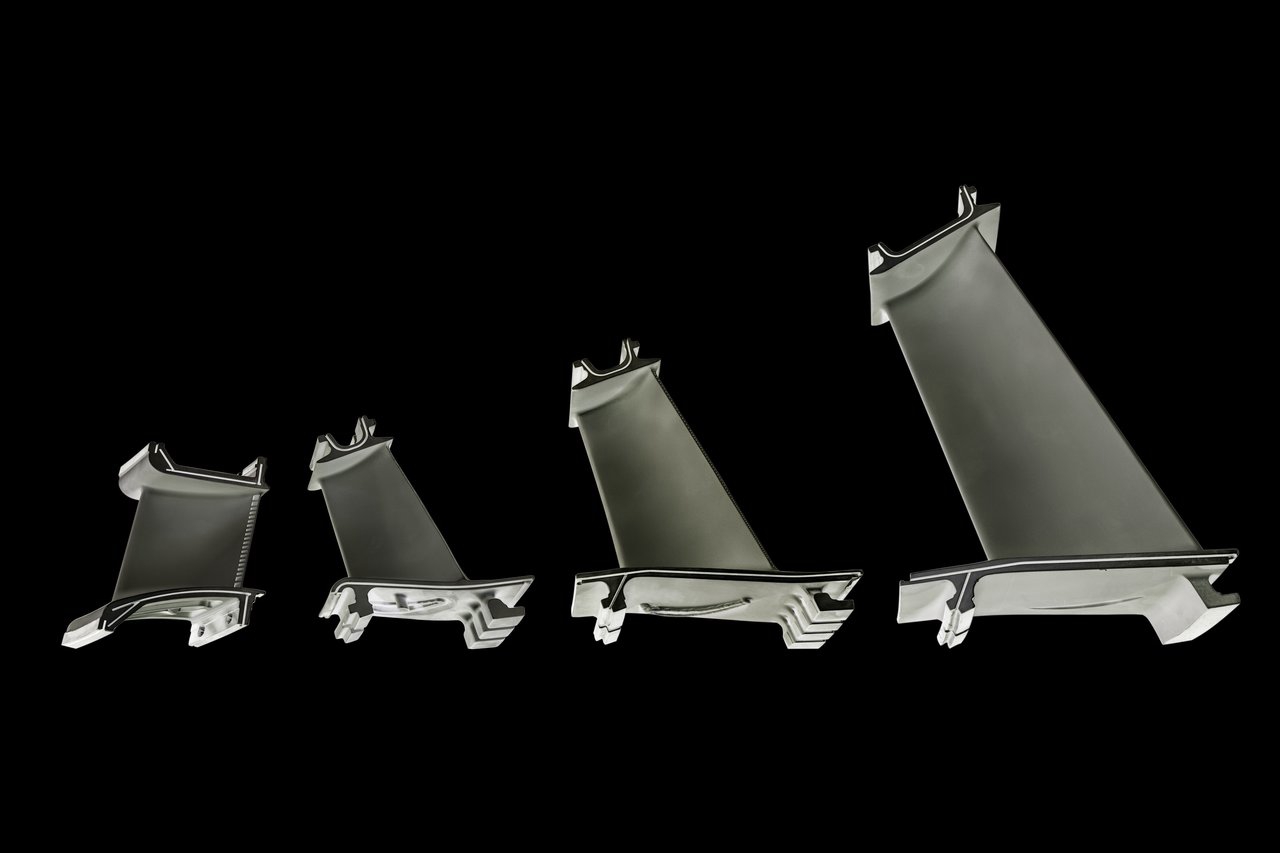
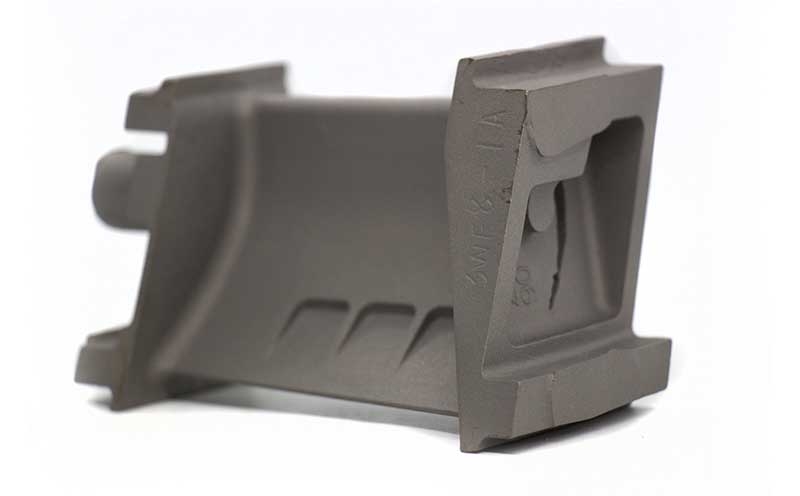
CMSX and Rene series alloys are uniquely formulated for the extreme demands of single crystal guide vanes (nozzles). Unlike rotating blades, guide vanes are stationary components exposed directly to the hottest combustion gases, requiring exceptional long-term thermal stability, oxidation resistance, and hot corrosion resistance. Alloys like CMSX-4 and Rene N5 contain high levels of chromium (Cr) and aluminum (Al) to form a protective, adherent oxide scale (Al₂O₃/Cr₂O₃), alongside refractory elements (Re, W, Ta) for solid solution strengthening. This balance is critical for components in the first stages of aerospace and aviation and power generation turbines.
Superior Creep and Thermal Fatigue Resistance
The single crystal structure of these alloys eliminates grain boundaries, the primary weak points for creep and crack initiation under thermal cycling. Guide vanes experience severe thermal gradients and are constrained, leading to high thermal stress. The absence of transverse grain boundaries in a single crystal, combined with a high volume fraction of coherent γ' precipitates, provides unmatched creep rupture strength and low-cycle thermal fatigue (LCTF) resistance. This prevents deformation and cracking over thousands of operating hours, ensuring gas path dimensional stability and efficiency.
Castability and Microstructural Control
These alloys are specifically designed for the vacuum investment casting process. They exhibit good fluidity to fill complex, thin-walled vane geometries (including intricate internal cooling channels) and a controlled solidification range to reliably grow as a single crystal. Their composition allows for effective heat treatment to optimize the γ'/γ' microstructure. Post-casting, they respond exceptionally well to Hot Isostatic Pressing (HIP), which is essential for densifying the large, complex structural sections typical of guide vanes and eliminating any microshrinkage.
Compatibility with Protective Coating Systems
Single crystal guide vanes universally require Thermal Barrier Coating (TBC) systems to survive. CMSX and Rene alloys provide an ideal substrate for these coatings. Their stable surface oxide scale (formed by Al and Cr) acts as an excellent bond coat interface, promoting strong TBC adhesion. Their high melting point and thermal expansion compatibility minimize interfacial stresses. This synergy between the base alloy and coating is vital, as demonstrated in high-reliability applications for partners like GE and Honeywell, ensuring long-term coating durability under extreme thermal cycling.