What Key Challenges Arise When Casting Superalloys like CMSX and Rene for Single-Crystal Use?
Strict Control of Crystal Orientation and Integrity
The paramount challenge is ensuring the growth of a flawless, continuously aligned single crystal. Any deviation can spawn stray grains or low-angle boundaries, which act as weak points under thermal stress. This requires an exquisitely stable thermal gradient and a perfectly oriented seed crystal. For advanced alloys like CMSX-4 or Rene N5, even minor turbulence during mold fill or thermal fluctuation can disrupt the planar solidification front, leading to competitive grain growth and component rejection.
Maintenance of a Steep, Unidirectional Thermal Gradient
Achieving and maintaining the precise thermal gradient (G) relative to solidification velocity (R) is critically difficult. The G/R ratio must be kept within a narrow window to suppress dendritic branching and defect formation. Complex part geometries with varying cross-sections (e.g., airfoil to platform) create unequal thermal masses, making uniform heat extraction a major engineering hurdle in vacuum investment casting. Inadequate gradient control promotes defects like freckles (chains of equiaxed grains) or misoriented dendrites.
Management of Chemical Segregation and Micro-Defects
These alloys contain high levels of reactive elements (Al, Ti, Ta, Re) for strengthening. During slow solidification, these elements segregate to interdendritic regions, creating compositional inhomogeneity and potentially forming brittle topologically close-packed (TCP) phases. Controlling this segregation to maintain uniform γ/γ′ microstructure while avoiding harmful phases requires exacting heat treatment cycles after casting.
Mold-Metal Interaction and Surface Defects
The ceramic molds and cores essential for creating internal cooling channels can react with the molten superalloy. This interaction can cause surface contamination, recrystallization sites, or core leaching, which degrade the surface integrity and fatigue life. Developing inert ceramic materials and coatings that withstand extreme temperatures without reacting is a persistent challenge.
Integration with Complex Internal Cooling Geometries
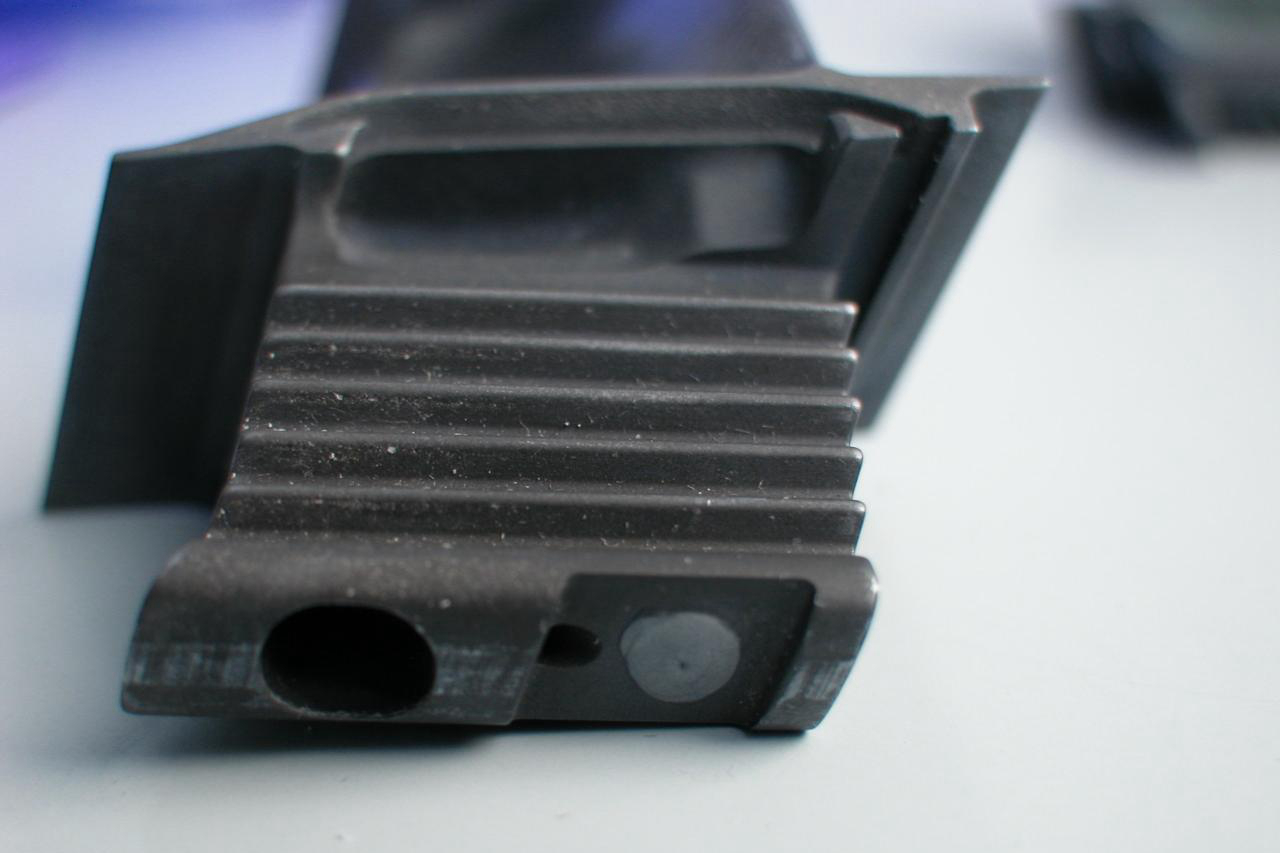
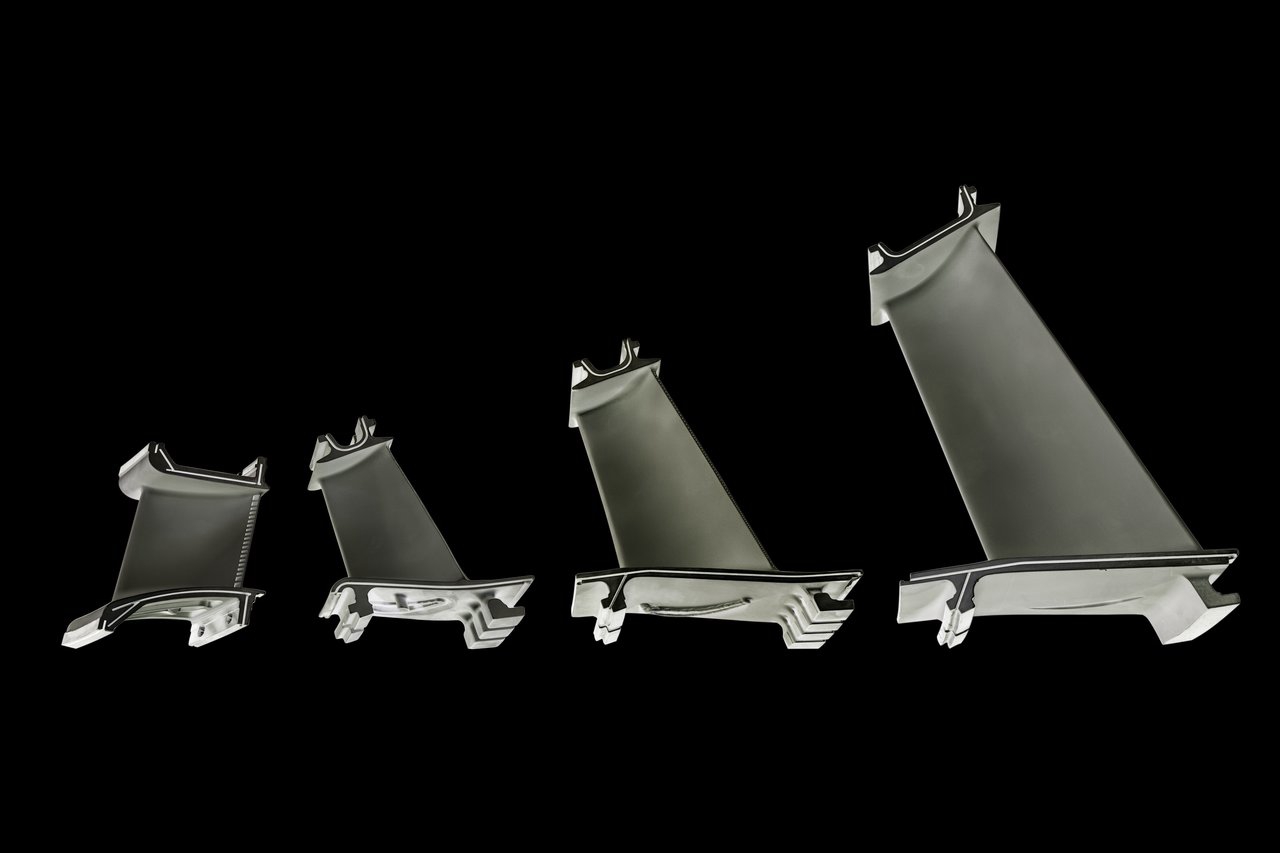
Modern single-crystal turbine blades incorporate intricate, serpentine internal cooling passages formed by ceramic cores. The presence of these cores disrupts uniform heat flow, creating local thermal obstacles that can distort the solidification front. Ensuring the single crystal grows seamlessly around these complex geometries without creating grain defects or core distortion is a significant design and process challenge.
Ensuring Reproducibility and Cost Control
The process is inherently sensitive, leading to potential yield issues. Minor variations in raw material purity, mold condition, or furnace atmosphere can affect outcomes. Combining HIP and heat treatment to close micro-porosity and optimize microstructure adds cost and complexity. Achieving high reproducibility for aerospace-grade components requires immense process control and rigorous inspection.