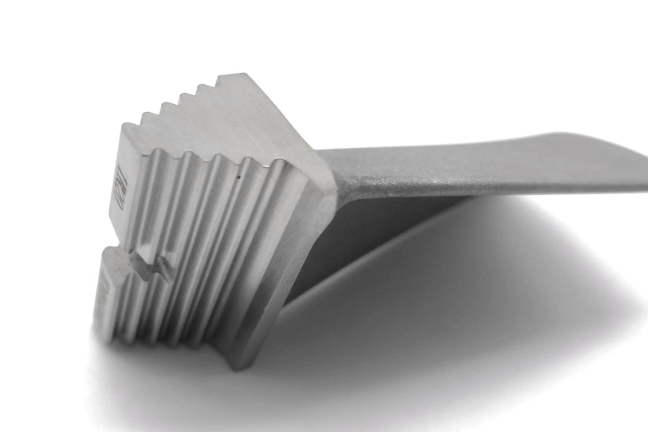
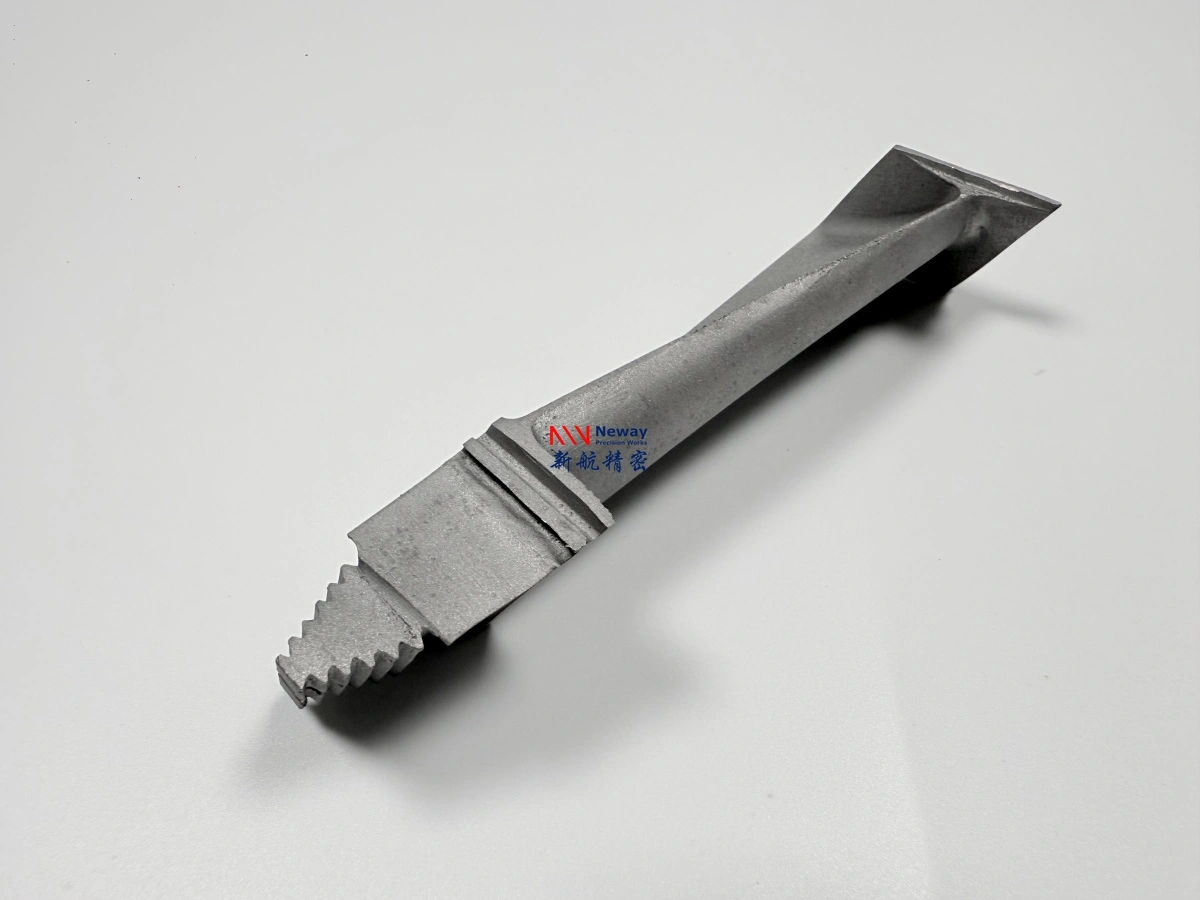
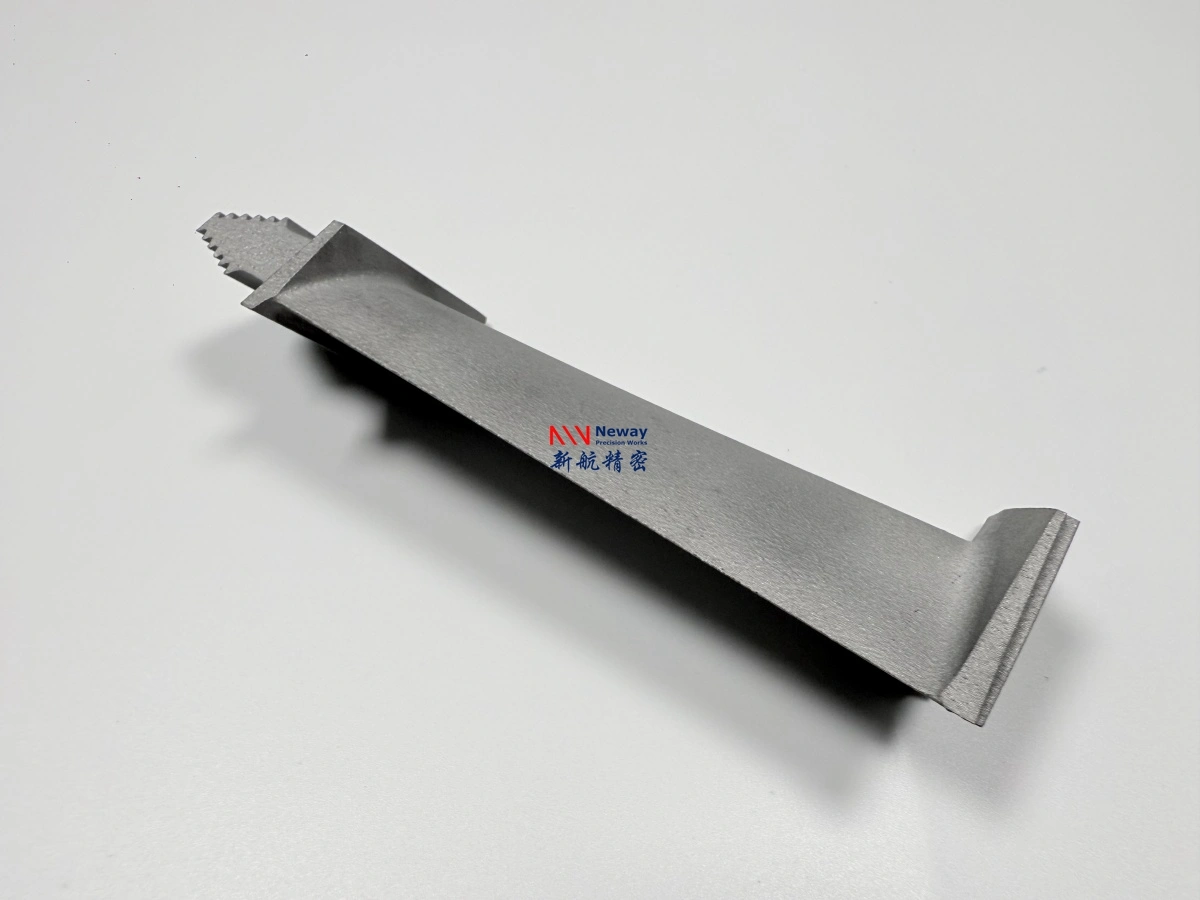
FSX414 and Stellite Casting for Turbine Nozzle Wear Part RFQs
FSX414 and Stellite casting RFQs for turbine nozzle wear parts should begin with the wear surface, flow-path location, mating component, and delivery state. Cobalt-based alloys are often discussed for wear, galling, erosion, and hot-corrosion resistance in suitable turbine nozzle or hot gas path parts, but the supplier still needs the drawing, alloy grade, machining surfaces, post-process requirement, and inspection evidence before quoting responsibly.
NewayAeroTech can review custom cobalt alloy and Stellite projects through Stellite alloy vacuum investment casting, high-temperature superalloy casting, superalloy CNC machining, post process, and material testing and analysis. The work is drawing-based custom manufacturing, not catalog spare-parts resale.
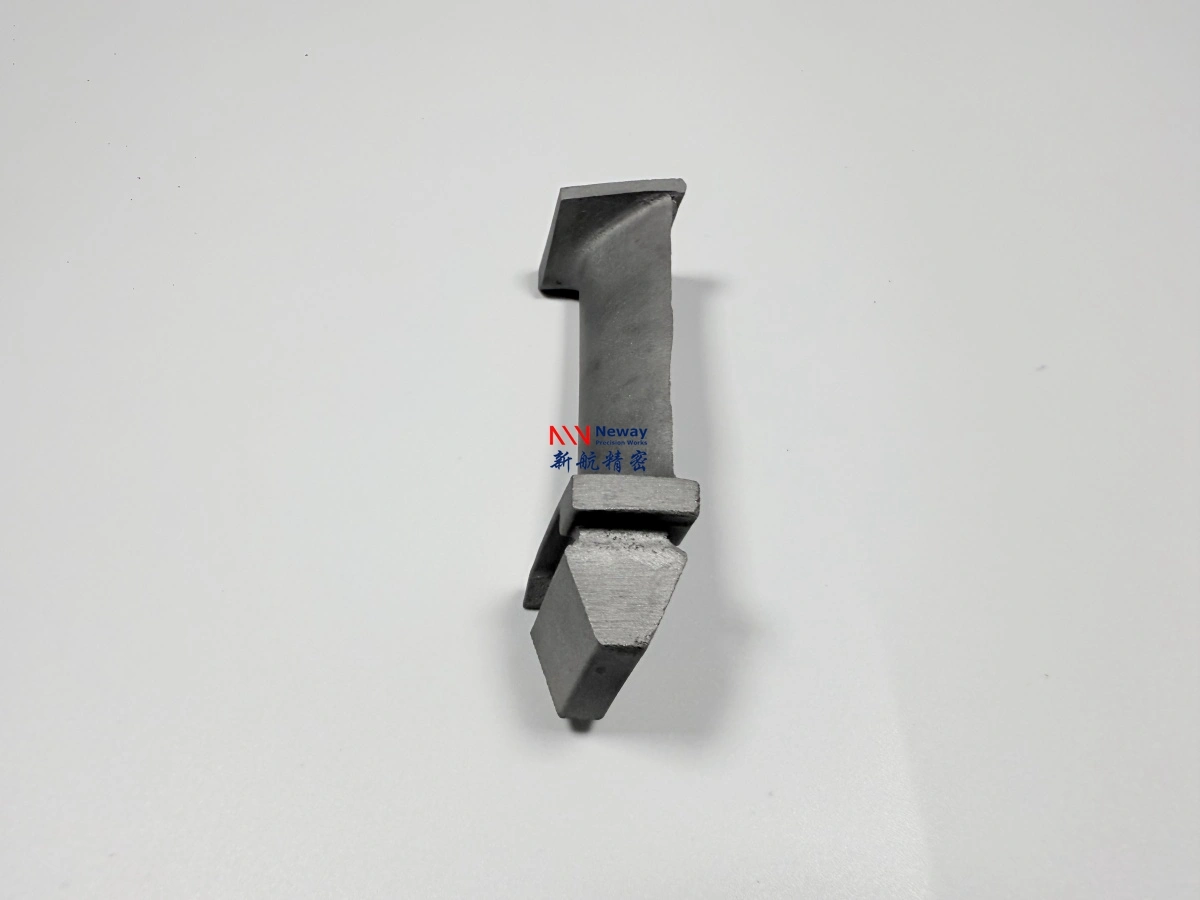
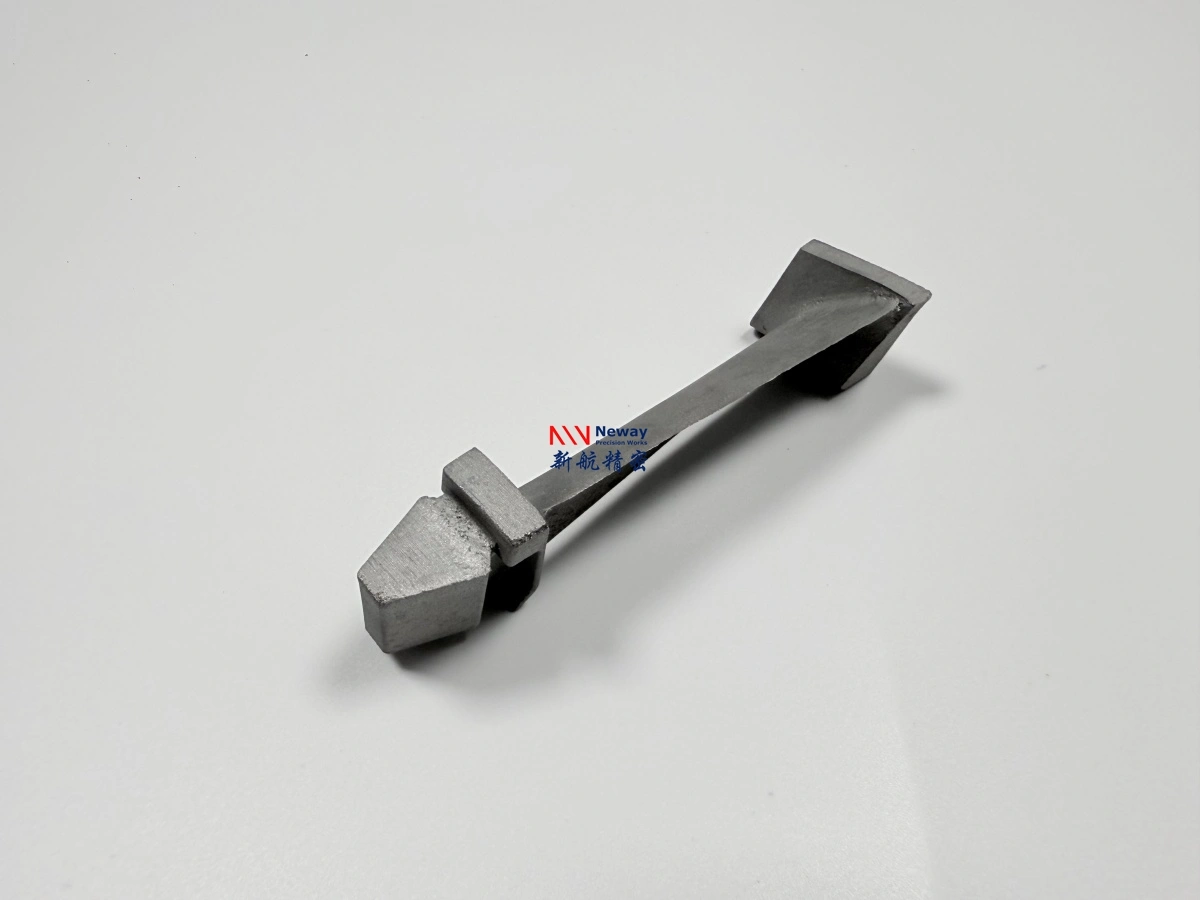
Wear Surface Boundary Before Material Selection
For this RFQ, buyers should mark the exact surface that makes the part a wear part. A turbine nozzle component may include a flow path, seal interface, contact face, mounting feature, or edge that sees erosion. FSX414, Stellite 6, Stellite 6B, Stellite 12, or another cobalt alloy discussion should be tied to that surface. If the drawing only says "Stellite part" without wear-zone definition, the supplier cannot know whether the quote should prioritize casting quality, hard wearing surface, final machining, or inspection.
The boundary should also state whether the component is cast entirely from cobalt alloy, cast as an insert, machined from cobalt-alloy stock, or supplied with buyer-side finishing. These routes are not interchangeable. A cast Stellite nozzle insert has different tooling, shrinkage, machining, and inspection concerns than a welded overlay or simple machined wear pad.
Wear feature | Manufacturing concern | RFQ instruction |
|---|---|---|
Nozzle flow path | Erosion, surface finish, edge condition, and casting soundness. | Mark flow-facing zones and allowed finishing scope. |
Seal or contact face | Flatness, stock allowance, galling, and final machining. | Define surface finish, CMM points, and mating material. |
Wear insert | Cast shape, assembly interface, and heat-treatment condition. | State blank, semi-finished, or ready-for-assembly delivery. |
Edge or lip feature | Thin section, chipping risk, and inspection access. | Show critical edge zones and visual/FPI requirements. |
FSX414 Stellite and Cobalt Alloy Choice
FSX414 and Stellite alloys are usually discussed when wear, oxidation, corrosion, or hot gas path surface durability is more important than simply matching a nickel-based casting route. The buyer should provide the specified grade if the design already controls it. If the grade is still open, the RFQ should ask for manufacturability review and risk notes, not a final material decision made only by the casting supplier.
Material choice also depends on how the part will be machined and inspected. Some cobalt alloys are difficult to machine after heat treatment, and wear surfaces may need grinding, EDM, or careful tool planning. If the buyer expects final surfaces, that requirement must be included before price comparison. Otherwise one supplier may quote only a cast blank while another quotes the full wear-surface package.
Material option | RFQ use | Buyer question |
|---|---|---|
FSX414 | Cobalt-based nozzle or hot gas path wear component discussions. | Is the grade fixed, and what inspection evidence is required? |
Stellite 6 / 6B | Wear surfaces, seats, guides, or contact components where drawing allows it. | Which version, delivery condition, and machining surface are required? |
Other Stellite grades | Project-specific wear or corrosion conditions. | Can the supplier review castability and post-process risk? |
Casting Machining and Post-Process Route
A cobalt alloy nozzle wear part should be quoted as a route. Vacuum investment casting may produce a near-net blank when geometry, alloy, and wall thickness support it. CNC machining or grinding may then create seal faces, mounting surfaces, bores, slots, or flow-path interfaces. Post-processing may include heat treatment, surface finishing, cleaning, or buyer-defined preparation before assembly. Each step should be visible in the quotation.
Buyers should define whether NewayAeroTech is responsible for the final wear face or only the cast blank. Final wear surfaces may need a different inspection sequence than non-contact geometry. If the buyer performs finishing elsewhere, the supplier still needs to know the stock allowance and protected surfaces so the casting is usable downstream.
Nozzle Component Fit and Quote Comparison
A nozzle wear-part RFQ should separate the cobalt alloy area from the rest of the component. Some parts need a full cast FSX414 or Stellite body. Others need a cobalt insert, wear pad, or replaceable contact feature inside a larger hot gas path assembly. If the buyer does not identify this boundary, suppliers may quote different parts while using the same title. The drawing should make clear where the cobalt alloy begins and ends, which surfaces are functional, and whether surrounding interfaces are part of the supplier's scope.
Quote comparison should also identify which supplier is including tooling, casting trials, machining, heat treatment, inspection, and first-article review. A quote for a rough blank is not comparable to a quote for a finished seal or nozzle wear surface. Buyers should ask each supplier to list excluded work, especially grinding, EDM, coating preparation, assembly fit checks, and destructive inspection samples. This prevents a low first price from becoming a larger rework conversation after sample review.
Quote line | What it should include | Question for the supplier |
|---|---|---|
Cobalt alloy boundary | Full casting, insert, pad, or wear surface definition. | Which surfaces are FSX414 or Stellite, and which are not? |
Machining scope | Seal faces, bores, slots, datums, and finishing allowance. | Is the quoted part a blank, semi-finished item, or final component? |
Inspection scope | FPI, X-ray or CT, CMM, chemistry, and hardness when required. | Which records are included before first-article acceptance? |
Inspection Evidence for Cobalt Alloy Nozzle Parts
Inspection should match the wear-part risk. FPI can reveal surface indications on cast or machined cobalt alloy parts. X-ray or CT may be needed when internal soundness or thick-to-thin transitions affect the component. CMM can verify seal faces, datum surfaces, bores, slots, and assembly features. Chemical verification and hardness checks may be requested when the drawing requires material confirmation or condition evidence.
The buyer should not request every test by habit. Instead, mark which zones matter: flow surface, wear face, mounting datum, edge feature, or internal passage. That lets the supplier quote evidence that supports the actual component, not a generic inspection package.
Inspection | Wear-part risk addressed | Buyer note |
|---|---|---|
FPI | Surface indications on wear faces, edges, and machined areas. | Define timing after casting, machining, or finishing. |
X-ray or CT | Internal casting defects, shrinkage, and hidden geometry risk. | Mark zones that influence service or machining. |
CMM | Datum, seal, flow, and assembly dimensions. | List report dimensions instead of asking for all dimensions. |
Chemistry / hardness | Material identity and condition evidence. | State whether these records are required for release. |
First Article and Rework Boundary
The first article should test whether the casting route, cobalt alloy choice, machining allowance, and wear-surface finishing plan are realistic. If a wear face does not clean up, if edge geometry is fragile, or if inspection reveals a rejectable surface condition, the buyer and supplier need a decision path before repeating the batch. A first article is also the right point to confirm whether the selected Stellite or FSX414 route matches the buyer's drawing and assembly interface.
Rework boundaries should be clear. Some surface issues may be removed by machining if stock remains. Other indications may stop the part. A dimensional issue on a non-contact surface may be reviewable, while a seal-face issue may not. These decisions belong in the RFQ because they affect quotation scope and sample quantity.
If the project starts from a used nozzle part, the sample condition must be recorded before reverse review. Wear, oxidation, cracking, rubbed edges, deposits, and previous finishing can hide the original cobalt alloy surface. The buyer should identify which dimensions come from a drawing and which are only measured from the worn sample. This protects the RFQ from copying service damage into a new casting.
RFQ Data for FSX414 and Stellite Wear Parts
Send the 2D drawing, 3D model, material grade, wear-zone map, mating material, operating temperature, media or gas-path exposure, quantity, delivery state, machining surfaces, heat-treatment requirement, finishing requirement, and inspection scope. If a used sample is provided, state whether wear, deformation, oxidation, coating residue, or previous repair may be present. A worn sample should not be treated as final geometry for a seal or wear face.
NewayAeroTech can review FSX414 and Stellite nozzle wear-part manufacturing when buyers define the wear surface, alloy requirement, casting route, machining scope, post-process needs, and inspection evidence. Include any mating hardware constraints, allowable stock removal, and whether trial parts may be sectioned for wear-face or internal-quality review. If the buyer expects repeat production after samples, state the expected next batch size and which first-article findings must be closed before release. Also define which inspection records must repeat on later batches and which checks are first-article-only. That gives the supplier enough information to quote a cobalt alloy component package rather than a vague wear-part request.
Related FAQs