
خدمة المعالجة الحرارية لسبائك الفائقة المصنعة بالصب الاستثماري الفراغي
المعالجة الحرارية الدقيقة لمكونات السبائك الفائقة المصبوبة عالية الأداء
مكونات السبائك الفائقة المنتجة عبر الصب الاستثماري الفراغي ضرورية في التوربينات الغازية، والمحركات النفاثة، والمفاعلات النووية، وأنظمة الطاقة الصناعية. بعد الصب، تتطلب هذه الأجزاء معالجة حرارية متخصصة لتحقيق البنية المجهرية المطلوبة، والقوة الميكانيكية، والاستقرار الأبعادي. المعالجة الحرارية حاسمة لتطوير توازن الطور، وتخفيف الإجهادات المتبقية، وإعداد السبيكة للتشغيل الآلي بالتحكم الرقمي (CNC)، أو اللحام، أو الطلاء.
تقدم نيوي إيروتيك خدمات معالجة حرارية معتمدة للمسبوكات من السبائك الفائقة مثل إنكونيل، وسبائك ريني، وبلورات CMSX الأحادية، وهاستيلوي، وغيرها. تغطي ضوابط عمليتنا معالجة المحلول، والشيخوخة، ودورات تخفيف الإجهاد، مما يضمن خصائص مثالية للتطبيقات الهيكلية عالية الحرارة.
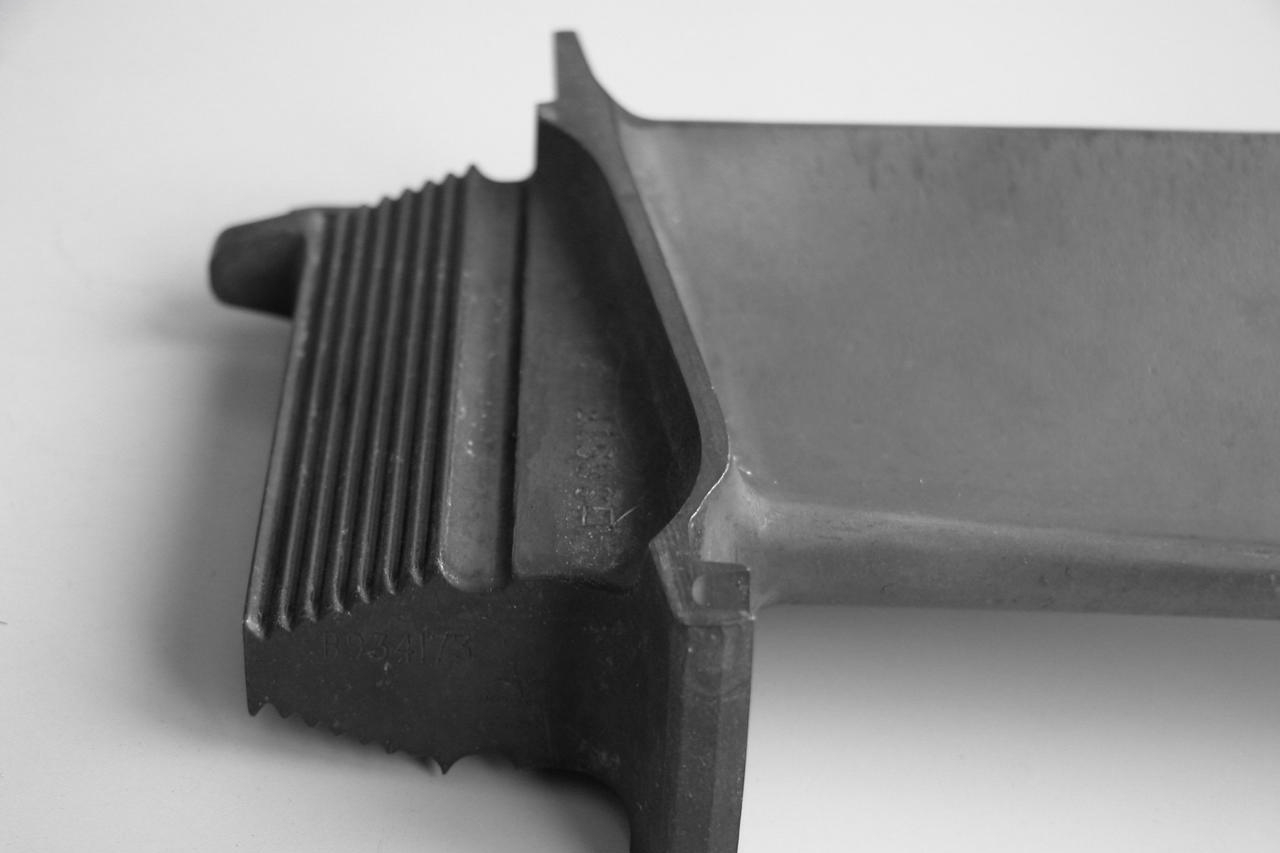
لماذا تعتبر المعالجة الحرارية ضرورية لمسبوكات السبائك الفائقة
تتطلب السبائك الفائقة معالجة حرارية بعد الصب لتفعيل آليات التصلب بالترسيب من نوع جاما-برايم أو الكربيدات بالكامل ولتثبيت البنية البلورية:
يعيد مرونة السبيكة المفقودة أثناء تصلب الصب
يعزز مقاومة الزحف والتعب من خلال التحكم في تحول الطور
يحسن الاستقرار الأبعادي قبل التشغيل الآلي بالتحكم الرقمي (CNC) أو المكبس المتساوي الحرارة الساخن (HIP)
يجهز الأسطح لـ طلاء الحاجز الحراري (TBC) أو إصلاح اللحام من خلال تجانس البنية المجهرية
تتوافق دوراتنا مع معايير AMS 5383، وAMS 2774، ومعايير سبائك التوربينات الخاصة بالعملاء.
السبائك الفائقة الشائعة التي نقوم بمعالجتها حرارياً
السبيكة | أقصى درجة حرارة خدمة (°C) | المعالجة الحرارية النموذجية | التطبيقات |
|---|---|---|---|
1050 | 1120°C/4h + 845°C/24h | ريش الدوار الثابت، حلقات الفوهات | |
1050 | 1175°C/2h + 870°C/16h | ريش التوربينات، الأغلفة الواقية | |
1140 | 1290°C/3h + 870°C/20h | الريش أحادية البلورة | |
1175 | 1175°C/1h + التبريد بالماء | قنوات الانتقال، جدران غرفة الاحتراق |
يتم التحكم في كل دورة ضمن ±5°C لمنع اختلال توازن الطور ونمو الحبيبات.
دراسة حالة: المعالجة الحرارية لمسبوكات حلقة فوهة إنكونيل 738
خلفية المشروع
قدم عميل 240 قطعة فوهة متساوية المحور من إنكونيل 738 بسمك جدار 6-10 مم. تم إجراء المعالجة الحرارية عند 1120°C لمدة 4 ساعات، تليها شيخوخة عند 845°C لمدة 24 ساعة. أكدت الاختبارات الميكانيكية زيادة بنسبة 45٪ في قوة الخضوع وصلابة ثابتة تتراوح بين 400-420 HV.
المكونات المعالجة حرارياً النموذجية والصناعات
نموذج المكون | الوصف | السبيكة | الصناعة |
|---|---|---|---|
NRV-700 | حلقة ريش مع ريش مصبوبة بالشكل النهائي | إنكونيل 738 | |
TBL-540 | ريشة توربين المرحلة الأولى مع تبريد الجذر | ريني 80 | |
SCA-600 | ريشة أحادية البلورة مع ثقب خلفي | CMSX-4 | |
EXH-330 | قناة عادم مع لحامات مقاطع شعاعية | هاستيلوي X |
تم فحص جميع الأجزاء باستخدام المجهر الإلكتروني الماسح (SEM)، وآلة القياس الإحداثي (CMM)، واختبار الصلابة بعد المعالجة.
قدرات ومعلمات عملية المعالجة الحرارية
معالجة المحلول: 1120–1290°C، تزيل الفصل وتجانس طور جاما قبل الترسيب
دورات الشيخوخة: 845–880°C، يتم الاحتفاظ بها لمدة 16-24 ساعة لتعزيز تقوية جاما-برايم ومقاومة الزحف
تخفيف الإجهاد: 870–980°C، يثبت المكونات قبل أو بعد معالجة المكبس المتساوي الحرارة الساخن (HIP) واللحام
طريقة التبريد: مروحة غاز أو التبريد بالماء، اعتماداً على متطلبات السبيكة والتحكم في الحبيبات
أدوات الفحص: آلة القياس الإحداثي (CMM)، المجهر الإلكتروني الماسح (SEM)، الأشعة السينية، وأجهزة اختبار برينل/الصلابة
النتائج والتحقق
تنفيذ المعالجة الحرارية
تمت معالجة مقاطع الفوهة حرارياً عند 1120°C ±5°C لمدة 4 ساعات، تليها التبريد المتحكم به في الفرن إلى 845°C والاحتفاظ بها لمدة 24 ساعة.
المعالجة بعد المعالجة
تم تشغيل الأجزاء آلياً بالتحكم الرقمي (CNC) إلى الأبعاد النهائية. شملت العمليات الإضافية إصلاح اللحام وطلاء الحاجز الحراري (TBC) اعتماداً على مرحلة التوربين.
الفحص
أكدت الأشعة السينية سلامة الهيكل. أكدت قياسات آلة القياس الإحداثي (CMM) التسامحات الحرجة. أكد تقييم البنية المجهرية بالمجهر الإلكتروني الماسح (SEM) توزيع الطور وغياب حدود الحبيبات المتشيخة.
الأسئلة الشائعة
ما هي السبائك الفائقة التي تتطلب دورات معالجة حرارية متعددة الخطوات بعد الصب؟
هل يمكن للمعالجة الحرارية تحسين قابلية اللحام للسبائك الفائقة المصبوبة؟
ما الفرق بين معالجة المحلول والشيخوخة؟
كيف يتم التحقق من الصلابة بعد المعالجة الحرارية للسبائك الفائقة؟
هل تقدمون خدمة متكاملة تشمل المعالجة الحرارية + المكبس المتساوي الحرارة الساخن (HIP) + التشغيل الآلي بالتحكم الرقمي (CNC)؟
