
مصنع ريش أنظمة الدفع البحري المصنوعة من سبائك Stellite 21 الفائقة
مقدمة
Stellite 21 هي سبيكة فائقة قائمة على الكوبالت، معروفة بمقاومتها الفائقة للتآكل، ومتانتها الاستثنائية، واستقرارها الحراري حتى 800 درجة مئوية، مما يجعلها مثالية للتطبيقات المتطلبة في مجال الدفع البحري. باستخدام تقنية الصب الدقيق بالشمع المفقود تحت الفراغ للسبائك الفائقة المتقدمة، ينتج مصنعنا ريش الدفع البحري بتحميلات أبعاد ضيقة (±0.1 مم)، وبنيات حبيبية دقيقة، ونسبة مسامية منخفضة باستمرار (<1%).
من خلال الاستفادة من أحدث تقنيات الصب ومعايير الفحص الصارمة، تضمن مكوناتنا الموثوقية والأداء التشغيلي الممتد في البيئات البحرية.
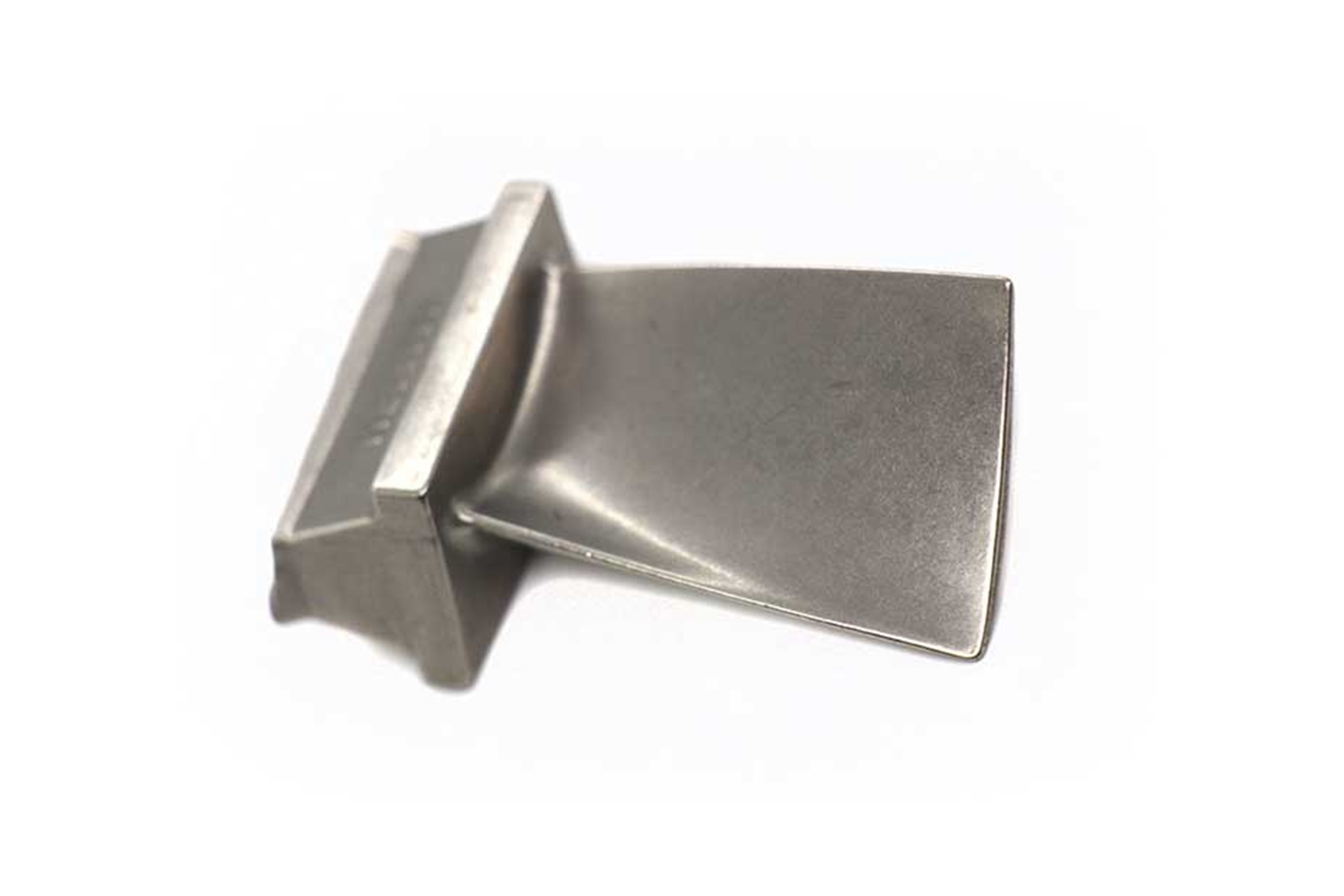
التقنية الأساسية: الصب الدقيق بالشمع المفقود تحت الفراغ لسبيكة Stellite 21 الفائقة
تحافظ عملية الصب الدقيق بالشمع المفقود تحت الفراغ لدينا على بيئة فراغية مضبوطة (≤10⁻³ تور) وصهر دقيق للسبيكة عند حوالي 1425 درجة مئوية. تؤدي تسخين القالب المسبق (~950–1050 درجة مئوية) ومعدلات التبريد المضبوطة (50–120 درجة مئوية/دقيقة) إلى تنقية حبيبية متسقة (أحجام الحبيبات: 0.5–3 مم)، وعيوب داخلية ضئيلة، وتحملات أبعاد دقيقة (±0.1 مم)، وهي أمور بالغة الأهمية لأداء الدفع البحري.
خصائص مادة سبيكة Stellite 21
توفر Stellite 21 مقاومة استثنائية للتآكل والاهتراء، مما يجعلها مثالية لريش الدفع البحري التي تعمل في بيئات مياه البحر القاسية. تشمل الخصائص الرئيسية:
الخاصية | القيمة |
|---|---|
نطاق الانصهار | 1295–1435 درجة مئوية |
الكثافة | 8.33 جم/سم³ |
قوة الشد (درجة حرارة الغرفة) | 830 ميجا باسكال |
قيمة الخضوع (درجة حرارة الغرفة) | 620 ميجا باسكال |
الصلادة (HRC) | 28–40 HRC |
مقاومة التآكل | استثنائية (بحرية، تعرض لمياه البحر) |
الاستقرار الحراري | حتى 800 درجة مئوية |
تضمن هذه الخصائص القوية الأداء الأمثل وعمر الخدمة الطويل لريش الدفع البحري.
دراسة حالة: ريش أنظمة الدفع البحري من Stellite 21
خلفية المشروع
تطلب أحد مصنعي أنظمة الدفع البحري البارزين ريشًا عالية المتانة مقاومة للتآكل والإجهاد، قادرة على العمل باستمرار في البيئات البحرية بدرجات حرارة مياه تتراوح بين 0–30 درجة مئوية. باستخدام تقنية الصب الدقيق بالشمع المفقود تحت الفراغ، أنتج مصنعنا ريش Stellite 21 متوافقة بدقة مع مواصفات صناعة البحرية (ASTM F75)، لتقديم موثوقية قوية ومقاومة فائقة للتآكل.
نماذج وتطبيقات ريش الدفع البحري النموذجية
ريش المراوح ذات الخطوة الثابتة: ريش Stellite 21 ذات مقاومة استثنائية للتآكل، تضمن كفاءة مطولة وصيانة مخفضة.
ريش المراوح ذات الخطوة القابلة للتعديل (CPP): ريش قوية ودقيقة الأبعاد، مثالية لأنظمة الدفع ذات الخطوة القابلة للتعديل في السفن التجارية والحربية.
ريش الدافعات المحورية: ريش Stellite 21 عالية المتانة مصممة للمناورة في الظروف البحرية الديناميكية، ومقاومة للتآكل والتكهف.
ريش دافعات المياه النفاثة: ريش دقيقة مقاومة للتآكل، محسنة للسفن عالية السرعة، وتحافظ على الكفاءة تحت ظروف التشغيل البحرية العدوانية.
تعزز نماذج الريش هذه بشكل كبير كفاءة الدفع والمتانة والموثوقية التشغيلية عبر مختلف السفن البحرية.
حلول تصنيع مكونات الريش البحرية
عملية الصب تُصنع الريش البحرية عبر الصب الدقيق بالشمع المفقود تحت الفراغ، وتشمل تشكيل نمط شمعي دقيق، وطبقات قالب سيراميكي (7–10 طبقات)، والصب تحت الفراغ المضبوط عند حوالي 1425 درجة مئوية. تضمن معدلات التبريد المنتظمة (50–120 درجة مئوية/دقيقة) بنيات حبيبية منقاة (0.5–3 مم) ودقة أبعاد ضمن ±0.1 مم.
المعالجة اللاحقة تخضع الريش المصبوبة لـ الضغط المتساوي الحار (HIP) عند حوالي 1180 درجة مئوية وضغوط قريبة من 100 ميجا باسكال، مما يقلل المسامية الداخلية إلى أقل من 1% ويعزز مقاومة الإجهاد وسلامة الهيكل.
المعالجة السطحية تخضع الريش لطلاءات متخصصة مضادة للتآكل من الدرجة البحرية، مثل رش البلازما لبرونز النيكل-ألومنيوم أو طبقات مقاومة للتآكل قائمة على السيراميك، مما يزيد بشكل كبير من مقاومة التآكل الناتج عن مياه البحر والتكهف.
الاختبار والتفتيش تشمل بروتوكولات الاختبار الصارمة التصوير الشعاعي الرقمي بالأشعة السينية، والتحقق الدقيق للأبعاد عبر آلة القياس الإحداثي (CMM)، واختبار التآكل وفقًا لـ ASTM B117 (اختبار رذاذ الملح)، و اختبار الشد، مما يضمن الامتثال الكامل لمعايير صناعة البحرية.
التحديات الأساسية لتصنيع ريش الدفع البحري
تضمن تصنيع ريش Stellite 21 البحرية معالجة عدة تحديات حرجة:
ضمان دقة أبعاد صارمة (±0.1 مم) للأشكال الهندسية المعقدة للريش.
تقليل المسامية الداخلية إلى الحد الأدنى (<1%) لتعزيز السلامة الميكانيكية وعمر الإجهاد.
تحقيق مقاومة متسقة للتآكل من خلال الصب الدقيق وتطبيقات المعالجة السطحية الفعالة.
النتائج والتحقق
أظهرت ريش الدفع البحري من Stellite 21 المكتملة باستمرار:
دقة أبعاد ضمن ±0.1 مم، تم التحقق منها عبر عمليات تفتيش CMM صارمة.
المسامية محفوظة تحت 1%، تم تأكيدها عبر تقييمات الأشعة السينية والموجات فوق الصوتية.
خصائص ميكانيكية تم التحقق منها، بما في ذلك قوة شد ≥830 ميجا باسكال، وقيمة خضوع ≥620 ميجا باسكال، وصلادة ضمن نطاق 28–40 HRC باستمرار، متفوقة على المعايير المرجعية للصناعة لمكونات الدفع البحري.
الأسئلة الشائعة
لماذا يعتبر الصب الدقيق بالشمع المفقود تحت الفراغ الأمثل لتصنيع ريش الدفع البحري من Stellite 21؟
كيف تقاوم Stellite 21 التآكل والتكهف في البيئات البحرية؟
ما هي إجراءات مراقبة الجودة المستخدمة لضمان موثوقية ريش الدفع البحري؟
هل يمكن تخصيص الريش البحرية من Stellite 21 لتناسب أنظمة دفع محددة؟
ما هي المعالجات السطحية التي تعزز متانة ريش Stellite 21 في بيئات مياه البحر؟
