
مزود خدمة الضغط المتساوي الساخن (HIP) لريش توربينات الغاز من سبائك أحادية البلورة
تعزيز السلامة الهيكلية لريش التوربينات أحادية البلورة
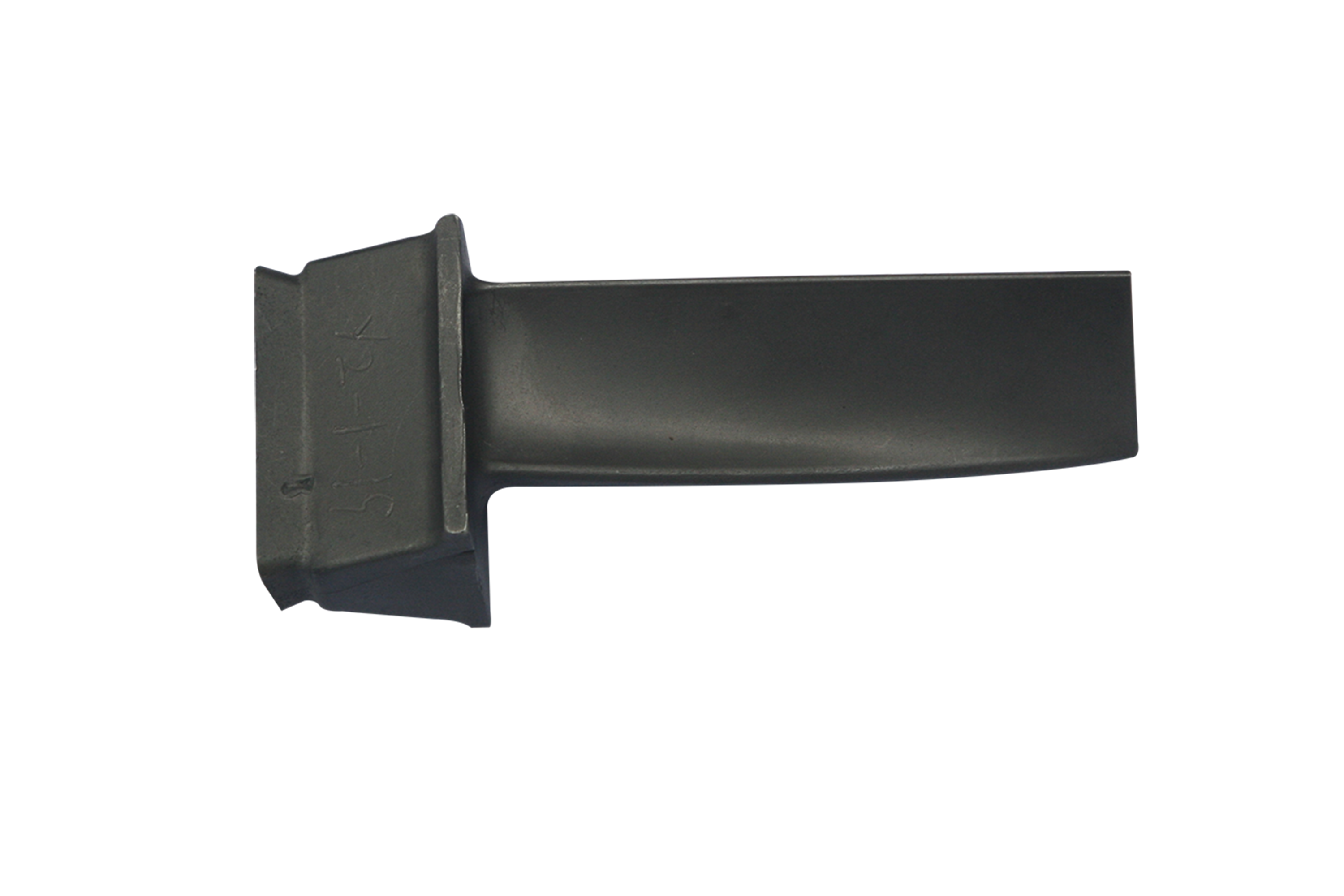
توفر ريش التوربينات المصنوعة من السبائك الفائقة أحادية البلورة (SC) مقاومة لا مثيل لها للزحف والتعب والتشوه الحراري في مراحل التوربينات عالية الضغط. ومع ذلك، حتى المسبوكات أحادية البلورة عالية الجودة يمكن أن تتطور فيها مسامية داخلية أو انكماش موضعي، خاصة في الأشكال الهندسية المعقدة للتبريد. يعد الضغط المتساوي الساخن (HIP) أمرًا بالغ الأهمية لاستعادة السلامة الهيكلية والمعدنية لهذه الريش قبل التصنيع باستخدام الحاسب الآلي (CNC) و التغطية.
نيواي إيروسبيس هو مزود خدمة HIP متخصص في زيادة كثافة ريش التوربينات أحادية البلورة المصنوعة من سبائك سلسلة CMSX مثل CMSX-4 و CMSX-10 و CMSX-2. نحن نقدم دورات HIP تصل إلى 1280 درجة مئوية و 200 ميجا باسكال مع ملفات تبريد مضبوطة للحفاظ على اتجاه البلورة الواحدة.
لماذا يعتبر HIP ضروريًا للريش أحادية البلورة
يجب أن تكون ريش التوربينات أحادية البلورة خالية من الفراغات الناتجة عن الصب وعيوب الانكماش لضمان الأداء طويل الأمد في ظل ظروف تشغيل قاسية. يقوم HIP بما يلي:
يقضي على المسامية الدقيقة المتبقية في فتحات التبريد وجذور الريش
يحافظ على سلامة البلورة الواحدة عند المعالجة تحت درجة حرارة وضغط مضبوطين بدقة
يحسن مقاومة التعب والتجانس الميكانيكي
يدعم التشغيل الآلي واللحام بعد HIP دون تشوه أبعادي
يتم التحقق من صحة جميع دورات HIP للحفاظ على اتجاه البلورة والقضاء على حدود الحبيبات.
السبائك الفائقة أحادية البلورة المتوافقة مع HIP
السبيكة | أقصى درجة حرارة خدمة (°C) | درجة حرارة HIP (°C) | التطبيق |
|---|---|---|---|
1140 | 1260 | ريش المرحلة الأولى للتوربينات عالية الضغط (HPT) | |
1170 | 1280 | الريش الدوارة، أجنحة SC | |
1120 | 1245 | ريش التوجيه، أطراف الريش |
يتم تخصيص إعدادات HIP وفقًا للتركيب الكيميائي للسبيكة واتجاه البلورة.
دراسة حالة: HIP لريش توربينات CMSX-4 ذات قنوات التبريد الداخلية
خلفية المشروع
قدم أحد العملاء 60 ريشة أحادية البلورة من نوع CMSX-4 بجدران سمكها 20 ملم وقنوات تبريد غشائية معقدة. تم إجراء HIP عند 1260 درجة مئوية، 140 ميجا باسكال لمدة 4 ساعات. أكد الفحص بعد HIP القضاء الكامل على المسامية، وعدم وجود اختلال في التراكيب الشجرية، وتحسن في عمر التعب بأكثر من مرتين.
نماذج ريش SC النموذجية وتطبيقاتها
نموذج الريشة | الوصف | السبيكة | الصناعة |
|---|---|---|---|
HPT-480 | ريشة دوارة للمرحلة الأولى مع تبريد شعاعي | CMSX-4 | |
VNG-630 | قطعة ريشة توجيهية مع فتحات في الحافة الخلفية | CMSX-2 | |
RBD-510 | ريشة دوارة ذات جذر على شكل شجرة التنوب | CMSX-10 |
تمت معالجة جميع النماذج بـ HIP، ومعالجتها حرارياً، وتصنيعها باستخدام الحاسب الآلي (CNC)، وتغطيتها اختيارياً بعد الفحص.
الفوائد الرئيسية لـ HIP للريش أحادية البلورة
يقضي على أكثر من 99% من الفراغات الداخلية، خاصة في قنوات التبريد ذات الجدران الرقيقة
يحافظ على بنية الحبة الواحدة، يتم التحقق من ذلك بواسطة حيود إلكتروني للخلف (EBSD) أو حيود لاو بعد HIP
يحسن التجانس الميكانيكي لمقاومة التعب عالي الدورة ومنخفض الدورة
يثبت سمك الجدار، مما يقلل التشوه أثناء المعالجة بـ CNC أو EDM
يدعم إصلاح اللحام اللاحق دون إنشاء مناطق متبلورة
التحكم في عملية HIP لسبائك SC
درجة الحرارة: 1245–1280°C، أقل من درجة الانصهار الأولية لكل درجة من درجات CMSX
الضغط: 100–200 ميجا باسكال، يتم الاحتفاظ به لمدة 4–6 ساعات حسب حجم المقطع
التبريد المضبوط: ≤10°C/دقيقة، لمنع تكون حبيبات شاردة
الغلاف الجوي: أرجون عالي النقاء، خالٍ من الأكسجين والهيدروجين
التحقق: EBSD، الأشعة السينية، المجهر الإلكتروني الماسح (SEM)، و آلة القياس الإحداثية (CMM)
النتائج والتحقق
تنفيذ HIP
تمت معالجة جميع الريش بـ HIP عند 1260 درجة مئوية، 140 ميجا باسكال لمدة 4 ساعات في غاز خامل. لم يتم اكتشاف أي حبيبات شاردة أو مناطق متبلورة.
المعالجة بعد HIP
بعد HIP، خضعت الريش للمعالجة الحرارية وفقًا لجدول الشركة المصنعة للمعدات الأصلية (OEM)، ثم تم تشغيلها آليًا وتغطيتها اختيارياً بطلاء حاجز حراري (TBC) لحماية الأجزاء الساخنة.
الفحص
أكدت الأشعة السينية القضاء على المسامية. تحققت آلة القياس الإحداثية (CMM) من السلامة الأبعادية. أكد المجهر الإلكتروني الماسح (SEM) استقرار البنية المجهرية والحفاظ على اتجاه التراكيب الشجرية.
الأسئلة الشائعة
هل يمكن تطبيق HIP على جميع مسبوكات الريش أحادية البلورة من نوع CMSX؟
كيف تتحقق من اتجاه الحبيبات بعد HIP؟
هل HIP مطلوب قبل التشغيل الآلي (CNC) أو التغطية؟
ما هي تقنيات الفحص التي تلي معالجة HIP لريش SC؟
هل يمكن الجمع بين HIP وإصلاح اللحام لأطراف ريش SC؟
