
شركة Rene N5 للمسبوكات الموجهة لمكونات المفاعلات عالية الضغط
مقدمة
Rene N5 هو سبيكة نيكل فائقة من الجيل الثاني أحادية البلورة، مُطورة للمكونات الحرجة التي تعمل تحت إجهاد حروميكانيكي شديد. بينما صُممت في الأصل لتطبيقات توربينات الفضاء، فإن مقاومتها الفائقة للزحف، واستقرار الطور، ومقاومة الأكسدة تجعلها مناسبة بشكل استثنائي لأنظمة المفاعلات عالية الضغط ودرجة الحرارة. بصفتنا مُصنع مسبوكات موجهة متخصص، ننتج مكونات Rene N5 لـ بيئات المفاعلات في القطاع النووي والطاقة باستخدام التصلب الموجه بالفراغ لتحقيق اتجاه حبيبي [001] خالٍ من العيوب، ونسبة مسامية أقل من 1%، ودقة أبعاد ضمن ±0.05 مم.
تُستخدم مسبوكات Rene N5 الخاصة بنا في حلقات المفاعلات المضغوطة، ومبادلات الحرارة، ومراحل التوربينات الداخلية - مما يضمن سلامة هيكلية طويلة الأمد عند درجات حرارة تشغيل تتجاوز 1100 درجة مئوية.
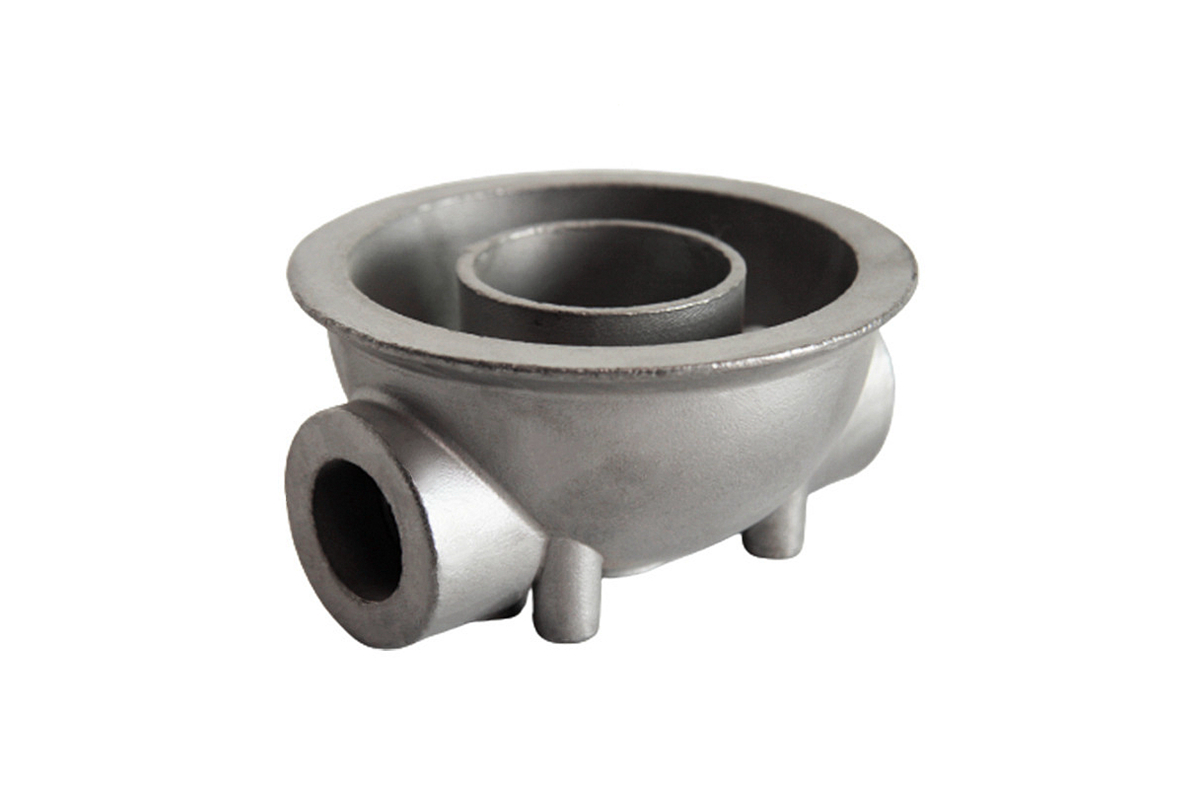
التكنولوجيا الأساسية: الصب الموجه لـ Rene N5
نطبق التصلب الموجه بالفراغ في فرن Bridgman لصب مكونات Rene N5 باتجاه حبيبي دقيق [001]. يتم صهر السبيكة بالفراغ عند درجة حرارة ~1450 درجة مئوية وصبها في قوالب قشرة خزفية مسخنة مسبقًا إلى ~1100 درجة مئوية. يسهل سحب القالب بسرعات مضبوطة (1-3 مم/دقيقة) النمو الموجه للحبيبات العمودية أو أحادية البلورة، مما يلغي الحدود المستعرضة التي تحد عادةً من مقاومة الزحف والتعب.
تتيح هذه العملية لـ Rene N5 الحفاظ على الاستقرار المجهري والقوة الميكانيكية على مدى فترات تشغيل طويلة في أنظمة المفاعلات الحرارية المكثفة.
الخصائص المادية لسبيكة Rene N5
Rene N5 هي سبيكة نيكل فائقة مقواة بطور γ′ مصممة للاستخدام في تطبيقات أحادية البلورة والمصلبة موجهًا. تحتوي على عناصر حرارية عالية المقاومة مثل Re و Ta و W، مما يضمن أداءً عالي الحرارة. تشمل الخصائص الميكانيكية والحرارية الرئيسية:
الخاصية | القيمة |
|---|---|
الكثافة | 8.6 جم/سم³ |
قوة الشد القصوى (عند 980 درجة مئوية) | ≥1100 ميجا باسكال |
قوة انكسار الزحف (1000 ساعة @ 1093 درجة مئوية) | ≥200 ميجا باسكال |
حد درجة حرارة التشغيل | حتى 1150 درجة مئوية |
مقاومة الأكسدة | ممتازة |
هيكل الحبيبات | مصلب موجهًا [001] |
هذه الخصائص تجعل Rene N5 مثالية للمكونات في أنظمة مفاعلات الطاقة المتقدمة، خاصة حيث يجب القضاء على فشل حدود الحبيبات والتعب الحراري.
حالة تطبيقية: المكونات الداخلية للمفاعل عالي الضغط
خلفية المشروع
تطلبت مختبر طاقة وطني يطور مفاعلًا متقدمًا مبردًا بالغاز (AGR) مكونات مصلبة موجهًا لتجميع فوهة تدفق القلب وقناة انتقال التوربين. تجاوزت ظروف التشغيل 1100 درجة مئوية مع ضغوط داخلية أعلى من 10 ميجا باسكال. تم اختيار Rene N5 بناءً على أدائه الموثق في مناطق المفاعل عالية التدفق والمكثفة للزحف.
اشتمل حلنا على الصب الموجه الدقيق لريش الفوهة وحلقات الدعم باتجاه [001] مضبوط. تمت معالجة جميع الأجزاء بالكبس الحراري متساوي الضغط (HIP)، وتشغيلها بالتحكم الرقمي بالحاسوب (CNC)، وفحصها وفقًا لمعايير RCC-MRx و ASME القسم الثالث الفئة 1.
التطبيقات النموذجية للمفاعلات عالية الضغط
فوهات مدخل ومخرج القلب: ريش وقنوات مسبوكة موجهًا تنقل الهيليوم أو ثاني أكسيد الكربون عالي الحرارة عبر وعاء المفاعل، وتتطلب سلوكًا ميكانيكيًا مستقرًا تحت التدرج الحراري ودورات الضغط.
مكونات انتقال التوربين: هياكل علب وحلقات ريش هيكلية في اتجاه مجرى تيار القلب للمفاعل تعمل في مسارات غاز أعلى من 1100 درجة مئوية، مصممة للقضاء على زحف حدود الحبيبات وتعزيز مقاومة التعب.
بطانة قنوات الغاز الساخن: بطانة داخلية مسبوكة بدقة تدير تدفق الغاز عالي السرعة ودرجة الحرارة داخل وحدات مبادل حراري مدمجة.
أقواس تركيب درع الحرارة: مكونات دعم ثابتة داخل تجويف المفاعل مصممة لمقاومة التشوه والتشقق بعد التعرض الحراري الممتد.
يتطلب كل تطبيق مقاومة طويلة الأمد للتعب الحراري، وزحف الأبعاد، وأكسدة السطح عند ضغط ودرجة حرارة مرتفعين.
حلول التصنيع لمكونات مفاعل Rene N5
عملية الصب الموجه يتم تجميع نماذج الشمع وطليها في قوالب قشرة خزفية. يتم صهر السبيكة بالفراغ وصبها عند درجة حرارة ~1450 درجة مئوية. يضمن السحب المضبوط في فرن Bridgman اتجاه [001] عبر الشكل الهندسي الكامل للمكون، مما يلغي حدود الحبيبات منخفضة الزاوية ويعزز أداء الزحف.
المعالجة اللاحقة الكبس الحراري متساوي الضغط (HIP) عند 1190 درجة مئوية و 100 ميجا باسكال يحسن الكثافة الداخلية وعمر التعب. تطور المعالجات الحرارية الدقيقة مورفولوجيا طور γ′ المطلوبة، مما يضمن استقرار الطور على المدى الطويل تحت الدورات الحرارية للمفاعل.
التشغيل اللاحق التشغيل بالتحكم الرقمي بالحاسوب (CNC) ينتهي واجهات الشفة، وأسطح الإحكام، وميزات المحاذاة. يُستخدم التفريغ الكهربائي (EDM) للهياكل ذات الجدران الرقيقة المعقدة، ويوفر الحفر العميق للثقوب مدخلًا لقنوات الغاز أو أنظمة التبريد.
معالجة السطح قد تتلقى المكونات طلاءات انتشار من الألومينايد أو السيراميك لتعزيز مقاومة الأكسدة في بيئات الغاز عالية السرعة. يمكن تطبيق الرمي بالكرات المعدنية لتحسين مقاومة التعب السطحي.
الاختبار والتفتيش تخضع جميع الأجزاء لـ فحص الأشعة السينية غير المدمر (NDT)، و التحقق من الأبعاد بآلة القياس الإحداثي (CMM)، و اختبارات الشد والزحف عالية الحرارة، و التحليل المجهري المعدني لضمان الامتثال لمتطلبات الصب من الدرجة النووية.
التحديات الأساسية في التصنيع
الحفاظ على اتجاه [001] الدقيق في المسبوكات الموجهة الكبيرة والمعقدة.
منع تكون الحبيبات الشاردة وإعادة التبلور أثناء السحب والمعالجة الحرارية اللاحقة.
ضمان الاستقرار البعدي طويل الأمد ومقاومة الأكسدة عند درجات حرارة تشغيل المفاعل فوق 1100 درجة مئوية.
النتائج والتحقق
تم تأكيد محاذاة الحبيبات [001] بواسطة الأشعة السينية للانعكاس الخلفي Laue والمجهري المعدني المقطعي.
تم تحقيق مسامية <1% بعد الكبس الحراري متساوي الضغط (HIP) والتحقق منها عبر التصوير الإشعاعي عالي الدقة.
تم تأكيد قوة انكسار الزحف ≥200 ميجا باسكال عند 1093 درجة مئوية من خلال اختبار أداء مدته 1000 ساعة.
تم التحقق من الدقة البعدية ضمن ±0.05 مم بواسطة قياسات آلة القياس الإحداثي (CMM) بخمس محاور.
لم يحدث أي تخشين لطور γ′ أو تدهور بسبب الأكسدة بعد 1000 ساعة من رذاذ الملح والدورات الحرارية العالية.
الأسئلة الشائعة
لماذا تعتبر Rene N5 مثالية للتطبيقات النووية عالية الضغط ودرجة الحرارة؟
كيف يحسن الصب الموجه متانة المكون مقارنة بالصب متساوي المحاور؟
هل يمكن تخصيص مكونات Rene N5 لأنظمة المفاعلات المبردة بالهيليوم أو الصوديوم أو ثاني أكسيد الكربون؟
ما هي طرق التفتيش التي تؤكد اتجاه الحبيبات أحادي المحور وسلامة الصب؟
ما هي معالجات السطح التي تحسن أداء الأكسدة في حلقات غاز المفاعل النووي؟
