
سبائك CMSX - صب البلورات الأحادية لريش التوربينات الغازية الصناعية
مقدمة
صب البلورات الأحادية من سبائك CMSX هي عملية تصنيع مثبتة لريش عالية الأداء تُستخدم في الأقسام الساخنة من التوربينات الغازية الصناعية. في نيواي إيروسبيس، ننتج ريش توربينات من البلورات الأحادية من أنواع CMSX-4 وCMSX-6 وCMSX-10 وCMSX-11 باستخدام تقنيات متقدمة للصب بالشمع المفقود تحت الفراغ والتصلب الاتجاهي. تم تصميم هذه الريش لتحمل التعرض المطول لدرجات حرارة عالية (تصل إلى 1200 درجة مئوية)، وإجهاد طرد مركزي مرتفع، وإجهاد حراري في عمليات التوربينات ذات الحمل الأساسي والدورية.
تقدم سبائك CMSX نسب حجم عالية من الطور γ′، ومقاومة ممتازة للزحف والأكسدة، واستقرار طوري محسن، مما يجعلها مثالية لريش التوربينات التي يجب أن تحافظ على سلامتها تحت ظروف حرارية وميكانيكية قصوى.
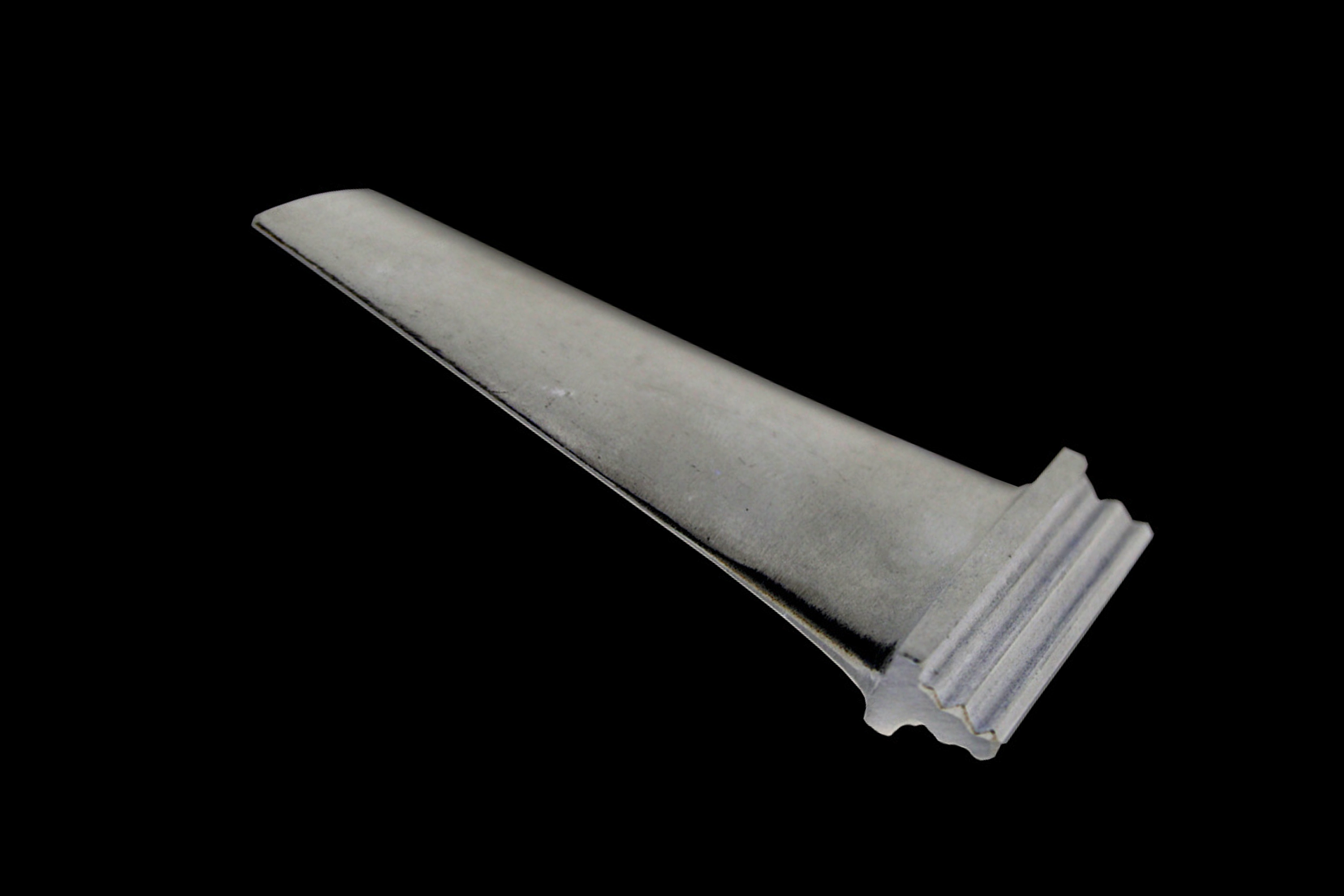
التكنولوجيا الأساسية لصب ريش البلورات الأحادية من سبائك CMSX
نمذجة الشمع عالية الدقة: قوالب الشمع للريش مصنوعة بتحمل ±0.05 مم لتكرار هندسة التبريد المعقدة وواجهات المنصة.
بناء قوالب القشرة الخزفية: يتم تطبيق 8-10 طبقات خزفية لبناء قوالب قشرة عالية القوة للصب بالشمع المفقود تحت الفراغ.
الصهر والصب تحت الفراغ: يتم صهر سبيكة CMSX وصبها تحت فراغ (<10⁻³ تور) للقضاء على الأكسدة والحفاظ على نقاء السبيكة.
التصلب الاتجاهي (عملية بريدجمان): يتم صب الريش بسرعة سحب مضبوطة (3-6 مم/دقيقة) لتعزيز نمو البلورة الأحادية <001>.
المعالجة الحرارية بعد الصب: المعالجة الحرارية بالتذويب والشيخوخة تذيب البنيات التجميعية وتترسب بنية γ/γ′ مستقلة لمقاومة طويلة الأمد للزحف.
التشغيل الآلي بالتحكم الرقمي: يتم تشطيب ملحقات الجذر، وفتحات التبريد، وأوجه الإحكام بدقة ±0.02 مم باستخدام التشغيل الآلي بالتحكم الرقمي 5 محاور.
طلاء الحاجز الحراري (اختياري): يتم تطبيق طلاءات الحاجز الحراري على الريش المعرضة لغازات الاحتراق لتعزيز الحماية من الأكسدة والإجهاد الحراري.
سبائك CMSX لريش التوربينات الغازية الصناعية
السبيكة | أقصى درجة حرارة (مئوية) | نسبة حجم الطور γ′ | مقاومة الزحف | مقاومة الأكسدة | مجال التركيز التطبيقي |
|---|---|---|---|---|---|
CMSX-4 | 1150 | ~70% | ممتازة | ممتازة | ريش التوربينات عالية ومتوسطة الضغط |
CMSX-6 | 1100 | ~65% | جيدة جداً | جيدة | ريش التوربينات في المراحل المتوسطة |
CMSX-10 | 1200 | ~72% | فائقة | ممتازة | ريش التوربينات في المرحلة الأولى |
CMSX-11 | 1180 | ~72% | فائقة | ممتازة | ريش التوربينات ذات الحمل الأساسي وعمر الخدمة الطويل |
دراسة حالة: ريش CMSX-4 وCMSX-10 لتوربينات الطاقة ذات الحمل الأساسي
خلفية المشروع
طلب مشغل لتوربين غازي صناعي ريش توربينات بعمر خدمة طويل لوحدة بقدرة 150 ميجاوات تعمل عند درجة حرارة دخول توربينية تبلغ 1150 درجة مئوية. تم اختيار CMSX-4 للمراحل المتوسطة، واستخدم CMSX-10 في القسم الساخن للمرحلة الأولى. كان الهدف هو تقليل فترات الصيانة وإطالة عمر الخدمة لأكثر من 30,000 ساعة.
تطبيقات ريش البلورات الأحادية من سبائك CMSX في التوربينات الغازية الصناعية
ريش المرحلة الأولى من Siemens SGT6-5000F (CMSX-10): ريش بلورات أحادية مصبوبة للعمل عند درجات حرارة دخول توربينية عالية مع حد أدنى من تشوه الزحف ومقاومة ممتازة للأكسدة.
ريش التوربينات عالية الضغط من GE Frame 7FA (CMSX-4): CMSX-4 المستخدمة في مراحل الضغط المتوسط، تقدم أداءً موثوقًا في أنظمة التشغيل الدورية.
ريش التوربينات الغازية MHPS M701J (CMSX-11): مصممة لتطبيقات الطاقة ذات الحمل الأساسي مع فترات خدمة مطولة وأداء حراري ثابت.
ريش توربينات Solar Titan 250 (CMSX-6): ريش CMSX-6 المستخدمة في التوربينات الصناعية الصغيرة لاستعادة الطاقة في عمليات النفط والغاز.
سير عمل التصنيع
نموذج الشمع وتجميع العنقود: يتم تجميع نماذج شمع الريش باتجاه ثابت لضمان نمو اتجاهي موحد وتقليل الحبيبات الشاردة.
إنشاء قوالب القشرة: يتم بناء الطبقات الخزفية تحت ظروف مضبوطة لتجنب الانكماش أو تشقق القالب.
الصب تحت الفراغ باستخدام فرن التصلب الاتجاهي: يتم صب سبيكة CMSX باستخدام طريقة بريدجمان مع تدرجات حرارة وسرعة سحب محسنة.
المعالجة الحرارية: معالجة بالتذويب عند ~1280 درجة مئوية، تليها شيخوخة على مرحلتين لتطوير طور γ′ قوي ومستقر.
التشغيل الآلي والتشطيب: يتم تشغيل أشكال الجذر، والأغطية، وهندسة التبريد بدقة ±0.02 مم باستخدام منصات التحكم الرقمي.
تطبيق الطلاء الاختياري: يتم تطبيق طلاء حاجز حراري بالرش البلازمي الهوائي لتحسين أداء الأكسدة والإجهاد الحراري في مسارات الغاز الساخن.
التفتيش والتحقق: تضمن فحوصات الأشعة السينية غير التدميرية، وتوجه الحبيبات باستخدام حيود الإلكترونات المرتدة، وقياسات آلة القياس الإحداثي السلامة والمحاذاة والدقة الأبعادية.
النتائج والتحقق
مقاومة الزحف: اجتازت ريش CMSX-10 اختبارات الزحف لمدة 1000 ساعة عند 1150 درجة مئوية/137 ميجاباسكال مع استطالة <1.2%.
تحمل الإجهاد الحراري: تحملت ريش CMSX-4 وCMSX-11 >25,000 دورة حرارية من درجة الحرارة المحيطة إلى 1100 درجة مئوية دون تشقق.
التحكم في توجه البلورة: أكد حيود الإلكترونات المرتدة توجه النمو <001> ضمن تحمل 10 درجات عبر جميع دفعات الإنتاج.
سلامة الأكسدة وطلاء الحاجز الحراري: أظهرت الريش المطلية بطلاء الحاجز الحراري عدم تدهور بعد تعرض دوري لمدة 1500 ساعة عند 1150 درجة مئوية.
الدقة الأبعادية: تحقق فحص آلة القياس الإحداثي من أن جميع ملامح الريش ضمن ±0.02 مم عبر أحجام إنتاج كبيرة.
الأسئلة الشائعة
ما الذي يجعل سبائك البلورات الأحادية CMSX مثالية لريش التوربينات الغازية الصناعية؟
كيف يحسن التصلب الاتجاهي أداء ريش التوربين؟
هل يمكن تخصيص ريش CMSX لمراحل توربينية محددة أو تصاميم مصنعين معدات أصلية؟
كيف يتم التحكم في توجه البلورة وجودة الصب أثناء الإنتاج؟
هل تدعم نيواي إيروسبيس كل من النماذج الأولية والإنتاج الضخم لريش توربينات CMSX؟
