
مكونات شاحن توربيني مُطروقة بسبائك نيمونيك لتحسين المتانة
مقدمة
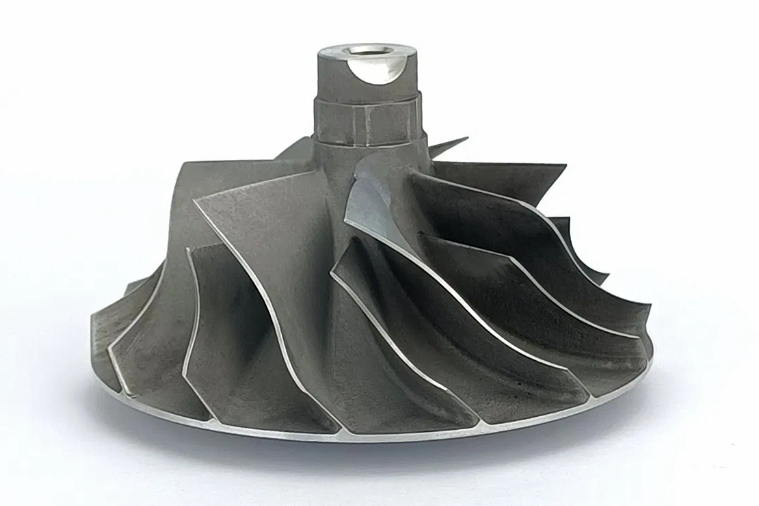
تعتبر سبائك نيمونيك، مع قوتها الممتازة في درجات الحرارة العالية ومقاومتها للأكسدة ومتانتها ضد التعب، مثالية لتصنيع مكونات شاحن التوربين الحرجة. تقدم Neway AeroTech خدمات الطرق الدقيق لـ سبائك نيمونيك، لتقديم أجزاء شاحن توربيني عالية الأداء مع تسامحات أبعاد ضيقة (±0.05 مم) ومقاومة ممتازة للتعب الحراري.
باستخدام تقنيات الطرق المتقدمة والمعالجة الحرارية والتصنيع باستخدام الحاسب الآلي (CNC)، نضمن تحقيق مكونات شاحن التوربين من نيمونيك أداءً ميكانيكيًا فائقًا وموثوقية تشغيلية حتى تحت دورات الحرارة والضغوط القصوى الموجودة في أنظمة شاحن التوربين الحديثة.
التحديات الأساسية في تصنيع مكونات شاحن التوربين
يشكل طرق أجزاء شاحن التوربين من نيمونيك 90 و نيمونيك 80A تحديات تقنية حرجة:
التعامل مع المشغولات عالية القوة (قوة الشد ≥1050 ميجا باسكال) أثناء الطرق الدقيق.
تحقيق تسامحات أبعاد صارمة (±0.05 مم) للتجميعات الدوارة.
التحكم في حجم الحبوب واتجاهها لتعظيم مقاومة التعب الحراري والزحف.
إنتاج نهايات سطحية (Ra ≤3.2 ميكرومتر) ضرورية للأداء الديناميكي الهوائي وكفاءة التسرب العالية.
عملية الطرق الدقيق لأجزاء شاحن التوربين من نيمونيك
تتضمن عملية الطرق لمكونات شاحن التوربين من نيمونيك:
تحضير المسبوكة: معالجة حرارية تجانسية لضمان بنية مجهرية بداية متسقة.
الطرق بالقوالب الدقيق: الطرق عند 1050–1120 درجة مئوية بمعدلات إجهاد مُتحكم بها لتحسين البنية المجهرية.
الطرق متساوي الحرارة (للأجزاء عالية الإجهاد): يقلل من التدرجات الحرارية ويعزز تجانس الحبوب لمقاومة فائقة للتعب.
التبريد المُتحكم به: التبريد بالفرن أو الهواء المُتحكم به لمنع الإجهادات المتبقية والتشوه.
المعالجة الحرارية بعد الطرق: المعالجة المحلولة عادةً عند 1080–1120 درجة مئوية تليها شيخوخة مُتحكم بها لتعزيز أداء الشد والتعب والزحف.
التصنيع النهائي باستخدام الحاسب الآلي (CNC): تحقيق تسامحات أبعاد تصل إلى ±0.01 مم ونهايات سطحية دقيقة تصل إلى Ra ≤1.6 ميكرومتر.
مقارنة طرق التصنيع لمكونات شاحن التوربين
طريقة التصنيع | دقة الأبعاد | النهاية السطحية (Ra) | مقاومة التعب الحراري | القوة في درجات الحرارة العالية | الكفاءة من حيث التكلفة |
|---|---|---|---|---|---|
الطرق الدقيق | ±0.05 مم | ≤3.2 ميكرومتر | فائقة | ممتازة | متوسطة |
الصب الاستثماري بالتفريغ | ±0.1 مم | ≤3.2 ميكرومتر | جيدة | جيدة | متوسطة |
التصنيع باستخدام الحاسب الآلي (من قضبان) | ±0.01 مم | ≤0.8 ميكرومتر | معتدلة | معتدلة | عالية |
استراتيجية اختيار طريقة التصنيع
يعتمد اختيار الطريقة لمكونات شاحن التوربين على المقاومة الحرارية والقوة وكفاءة الإنتاج:
الطرق الدقيق: الخيار الأفضل لإنتاج عجلات التوربين وحلقات الفوهة والتجميعات الدوارة ذات قوة التعب العالية والدقة الأبعاد. تتفوق مكونات نيمونيك المطروقة على البدائل المصبوبة في عمر التعب ومقاومة الزحف بنسبة 30–40%.
الصب الاستثماري بالتفريغ: مناسب للأشكال الهندسية الداخلية المعقدة والمكونات متوسطة الأداء، موازنة بين التكلفة والخصائص الميكانيكية.
التصنيع باستخدام الحاسب الآلي (CNC): محجوز للنماذج الأولية أو الأجزاء شديدة الدقة ذات كميات الإنتاج الصغيرة بسبب التكاليف الأعلى.
مصفوفة أداء سبائك نيمونيك
مادة السبيكة | أقصى درجة حرارة تشغيل (°C) | قوة الشد (ميجا باسكال) | مقاومة الزحف | مقاومة الأكسدة | التطبيقات النموذجية |
|---|---|---|---|---|---|
950 | 1200 | ممتازة | فائقة | عجلات شاحن التوربين، فوهات التوربين | |
850 | 1050 | جيدة | فائقة | عجلات الضاغط، مكونات التوربين | |
870 | 930 | ممتازة | ممتازة | مجمعات العادم، تجميعات التوربين | |
750 | 820 | معتدلة | جيدة | تطبيقات التوربين الصناعية | |
870 | 960 | ممتازة | ممتازة | أنظمة الطيران وشاحن التوربين |
استراتيجية اختيار السبيكة لأجزاء شاحن التوربين
يضمن اختيار سبيكة نيمونيك الصحيحة أداءً فائقًا وعمرًا أطول:
نيمونيك 90: مثالية لعجلات توربين شاحن التوربين التي تعمل حتى 950 درجة مئوية وتتطلب أقصى قوة شد وتعب.
نيمونيك 80A: مفضلة لعجلات الضاغط والمكونات في القسم الساخن التي تحتاج إلى قوة (1050 ميجا باسكال) ومقاومة للأكسدة.
نيمونيك 263: تُختار لأجزاء نظام العادم وتجميعات التوربين المعرضة للحمل الحراري الدوري.
نيمونيك 75: تُستخدم في التطبيقات الصناعية الأقل تطلبًا التي تحتاج إلى مقاومة معتدلة لدرجة الحرارة والتعب.
نيمونيك PE16: الأنسب لأنظمة شاحن التوربين المتقدمة في تطبيقات الطيران والسيارات عالية الأداء.
تقنيات المعالجة اللاحقة الرئيسية
تضمن المعالجة اللاحقة خصائص مُحسنة:
الكبس المتساوي الحرارة (HIP): يزيد الكثافة وقوة التعب عن طريق إزالة العيوب الداخلية.
التصنيع الدقيق باستخدام الحاسب الآلي (CNC): يحقق تسامحات نهائية تصل إلى ±0.01 مم ونهايات سطحية Ra ≤0.8 ميكرومتر.
المعالجة الحرارية: المعالجة المحلولة والشيخوخة لتعزيز مقاومة الشد والزحف والتعب.
التشطيب السطحي: التلميع والنفخ بالرمال والطلاء لتحسين الكفاءة الديناميكية الهوائية وعمر البلى.
طرق الاختبار وضمان الجودة
تشمل عمليات ضمان الجودة الصارمة في Neway AeroTech:
آلة القياس الإحداثي (CMM): التحقق من الأبعاد ضمن ±0.005 مم.
الفحص غير الإتلافي بالأشعة السينية: فحص العيوب الداخلية لسلامة الصب والطرق.
المجهري المعدني: تقييم بنية الحبوب والطور.
اختبار الشد: التحقق من خصائص القوة والاستطالة.
تتوافق جميع إجراءات الجودة مع معايير تصنيع الطيران AS9100.
دراسة حالة: عجلات شاحن توربين من نيمونيك 90 مطروقة بدقة
قدمت Neway AeroTech عجلات شاحن توربين من نيمونيك 90 مطروقة بدقة لتطبيقات السيارات عالية الأداء، محققة:
درجة حرارة التشغيل: تشغيل مستمر حتى 950 درجة مئوية
الدقة الأبعاد: تحقيق ±0.03 مم
عمر التعب: تحسن بنسبة 38% بعد الكبس المتساوي الحرارة والمعالجة الحرارية
الشهادة: متوافقة بالكامل مع معايير جودة الطيران AS9100
الأسئلة الشائعة
لماذا تُفضل سبائك نيمونيك لمكونات شاحن التوربين؟
كيف يعزز الطرق الدقيق أداء مكونات شاحن التوربين؟
ما هي دقة الأبعاد التي تتحقق على الأجزاء المطروقة من نيمونيك؟
ما هي درجات سبائك نيمونيك الأنسب لعجلات شاحن التوربين؟
ما هي معايير الجودة التي تلبيها مكونات شاحن التوربين الخاصة بكم؟
