
مصنع مسبوكات قطع التعدين المخصصة من السبائك الفائقة
مقدمة عن أدوات التعدين المخصصة من السبائك الفائقة
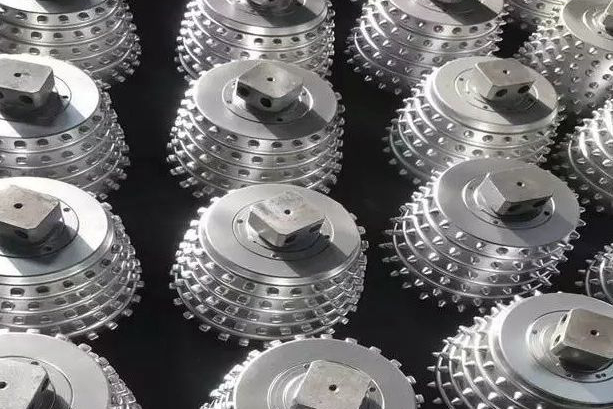
تتطلب عمليات التعدين أدوات ومكونات قادرة على تحمل التآكل الشديد، والكشط، والتآكل، وبيئات الإجهاد العالي. في نيواي إيروتيك، وهي مصنع رائد لمسبوكات السبائك الفائقة، نحن متخصصون في صب أدوات التعدين المخصصة بدقة المصممة خصيصًا لـ تطبيقات التعدين الشاقة. باستخدام تقنيات التصنيع المتقدمة مثل الصب بالشمع المفقود تحت الفراغ، نقدم مكونات تتميز بمتانة استثنائية، ومقاومة للكشط، ودقة أبعاد عالية.
خبرتنا الفنية العميقة ومعايير الجودة الصارمة تجعلنا مصنعًا موثوقًا به لحلول التعدين المخصصة.
التحديات الرئيسية في التصنيع لتطبيقات التعدين
يشكل تصنيع أجزاء السبائك الفائقة للتعدين تحديات كبيرة، بما في ذلك:
مقاومة التآكل والكشط: يجب أن تتحمل الأدوات ظروف الكشط الشديدة دون تآكل كبير.
مقاومة التآكل: يجب أن تقاوم المكونات البيئات الكيميائية العدوانية الموجودة في التعدين.
قوة ميكانيكية عالية: تتطلب قوى الشد عادةً تجاوز 900 ميجا باسكال لتحمل الإجهادات الميكانيكية الشديدة.
تحملات دقيقة: الحفاظ على تحملات الأبعاد ضمن ±0.10 ملم ونعومة سطحية دقيقة تصل إلى Ra 1.6 ميكرومتر.
عمليات صب السبائك الفائقة التفصيلية لمكونات التعدين
الصب بالشمع المفقود تحت الفراغ
نماذج الشمع الدقيقة تكرر الأشكال الهندسية المعقدة المطلوبة لأدوات التعدين.
تشكل قوالب السيراميك حول نماذج الشمع؛ تتم إزالة الشمع تحت تحكم دقيق في درجة الحرارة (~180 درجة مئوية).
يتم إجراء الصب تحت الفراغ تحت ضغوط أقل من 0.01 باسكال لضمان النقاء والسلامة.
التبريد التدريجي (20–35 درجة مئوية/ساعة) يقلل من الإجهادات الداخلية والعيوب الهيكلية.
صب التصلب متساوي المحاور والاتجاهي
يقدم الصب متساوي المحاور هياكل حبيبية موحدة، مما يعزز المتانة العامة.
محاذاة هياكل الحبيبات في التصلب الاتجاهي لتحسين القوة والأداء الميكانيكي.
التدرجات الحرارية المتحكم فيها (20–50 درجة مئوية/سم) تقلل من عيوب حدود الحبيبات.
تحليل مقارن لطرق صب السبائك الفائقة
الطريقة | الدقة الأبعادية | نعومة السطح | الكفاءة | التعقيد الهندسي |
|---|---|---|---|---|
الصب بالشمع المفقود تحت الفراغ | ±0.15 ملم | Ra 3.2–6.3 ميكرومتر | متوسطة | عالية |
صب البلورات متساوية المحاور | ±0.20 ملم | Ra 6.3–12.5 ميكرومتر | متوسطة | متوسطة |
الصب الاتجاهي | ±0.20 ملم | Ra 6.3–12.5 ميكرومتر | متوسطة | عالية |
التشغيل الآلي بالتحكم الرقمي | ±0.01 ملم | Ra 0.8–3.2 ميكرومتر | متوسطة | متوسطة |
استراتيجية اختيار العملية لأدوات التعدين
الصب بالشمع المفقود تحت الفراغ: مثالي للأشكال الهندسية المعقدة التي تتطلب نقاءً معدنيًا عاليًا ودقة ±0.15 ملم.
صب البلورات متساوية المحاور: الأمثل للمكونات ذات الأغراض العامة التي تتطلب توازنًا بين المتانة والقوة.
الصب الاتجاهي: موصى به للمكونات التي تحتاج إلى قوة محسنة ومقاومة للزحف من خلال محاذاة الحبيبات.
التشغيل الآلي بالتحكم الرقمي: مناسب لعمليات التشطيب الدقيقة وتحقيق التحملات الحرجة ضمن ±0.01 ملم.
مصفوفة أداء مواد السبائك الفائقة لأدوات التعدين
السبيكة | قوة الشد (ميجا باسكال) | قوة الخضوع (ميجا باسكال) | الحد الأقصى لدرجة الحرارة (°C) | مقاومة الكشط | التطبيق |
|---|---|---|---|---|---|
860 | 700 | 850 | استثنائية | قواطع التعدين عالية الكشط | |
1240 | 1030 | 704 | ممتازة | المكونات الهيكلية | |
780 | 390 | 1093 | متفوقة | أدوات مقاومة للتآكل | |
1200 | 760 | 900 | ممتازة | أدوات الحفر عالية الحرارة | |
1300 | 1150 | 650 | رائعة | أجزاء التعدين عالية الحمل | |
1300 | 1000 | 1150 | متفوقة | شفرات القطع أحادية البلورة |
استراتيجية اختيار المواد
ستيليت 6: يتم اختيارها للأدوات التي تواجه كشطًا شديدًا، وتوفر متانة عند درجات حرارة تشغيل تصل إلى 850 درجة مئوية.
إنكونيل 718: مثالي لتطبيقات التعدين التي تتطلب هيكلية عالية، ويوفر قوة استثنائية (1240 ميجا باسكال) وموثوقية.
هاستيلوي سي-22: يتم اختيارها لأدوات التعدين المعرضة لبيئات شديدة التآكل، وتحافظ على الاستقرار عند 1093 درجة مئوية.
نيمونيك 90: موصى به لأدوات التعدين عالية الحرارة التي تتطلب قوة شد عالية (1200 ميجا باسكال) ومقاومة للإجهاد.
رينيه 95: مفضل لمكونات التعدين الهيكلية عالية الحمل، بخصائص ميكانيكية متفوقة (قوة شد 1300 ميجا باسكال).
CMSX-4: الأمثل للشفرات أحادية البلورة التي تتطلب أقصى مقاومة للزحف وقوة عالية عند درجات حرارة تصل إلى 1150 درجة مئوية.
تقنيات المعالجة اللاحقة الرئيسية
الكبس المتساوي الساخن (HIP): يزيل المسامية الداخلية، ويعزز قوة المكون ومتانته تحت ضغط عالٍ (150 ميجا باسكال) ودرجة حرارة (~1200 درجة مئوية).
الطلاء الحراري العازل (TBC): يوفر حماية حرارية، ويقلل من درجات حرارة السطح بحوالي 200 درجة مئوية لإطالة عمر الأداة.
التشغيل بالتفريغ الكهربائي (EDM): يسمح بهياكل داخلية معقدة وتشطيب دقيق بتحملات ±0.005 ملم.
المعالجة الحرارية: تحسن الهياكل المجهرية للسبيكة للحصول على خصائص ميكانيكية محسنة، ومقاومة للكشط، وأداء عام.
دراسة حالة صناعية: رؤوس حفر التعدين المخصصة
نجحت نيواي إيروتيك في تسليم رؤوس حفر من ستيليت 6 مصبوبة بدقة لشركة مصنعة معدات تعدين دولية. باستخدام الصب بالشمع المفقود تحت الفراغ مجتمعًا مع الكبس المتساوي الساخن ومعالجات حرارية متخصصة، حققنا مقاومة كشط متفوقة، ودقة أبعاد (±0.15 ملم)، وإطالة عمر المكون بشكل كبير، متفوقين بوضوح على المعايير الصناعية.
تضعنا عمليات التصنيع المتقدمة وخبرتنا في السبائك كمصنع مفضل لأدوات التعدين عالية الأداء من السبائك الفائقة.
الأسئلة الشائعة
ما هو متوسط وقت التسليم لطلبات أدوات التعدين المسبوكة المخصصة؟
هل يمكنكم التعامل مع إنتاج أدوات التعدين بكميات منخفضة والنماذج الأولية؟
ما هي المعايير والشهادات الخاصة بالصناعة التي تلبيها مكونات التعدين الخاصة بكم؟
ما هي مواد السبائك الفائقة الأكثر توصية بها لبيئات الكشط والتآكل الشديدة في التعدين؟
هل تقدمون مساعدة هندسية لاختيار المواد المثلى وتصميم مكونات التعدين المخصصة؟
