
أجزاء دوارات التوربينات المصنوعة من سبائك ستيلايت من مورد سبائك الخارقة الرائد في التطريق
مقدمة
تشتهر سبائك ستيلايت بمقاومتها الاستثنائية للتآكل، ومقاومة التآكل، والاستقرار الحراري، مما يجعلها مثالية لتصنيع مكونات دوار التوربينات الحرجة. في Neway AeroTech، نحن متخصصون في خدمات التطريق الدقيق لـ سبائك ستيلايت، حيث نقدم أجزاء دوارات التوربينات بتحملات أبعاد تبلغ ±0.05 مم، وقوة تحمل ممتازة، وأداء فائق في بيئات التشغيل القاسية.
مع تقنيات التطريق المتقدمة، والمعالجة الحرارية، ومعالجة الأسطح، تضمن Neway أن أجزاء دوار ستيلايت تحقق عمر خدمة وموثوقية مثاليين تحت أكثر ظروف التوربينات تطلبًا.
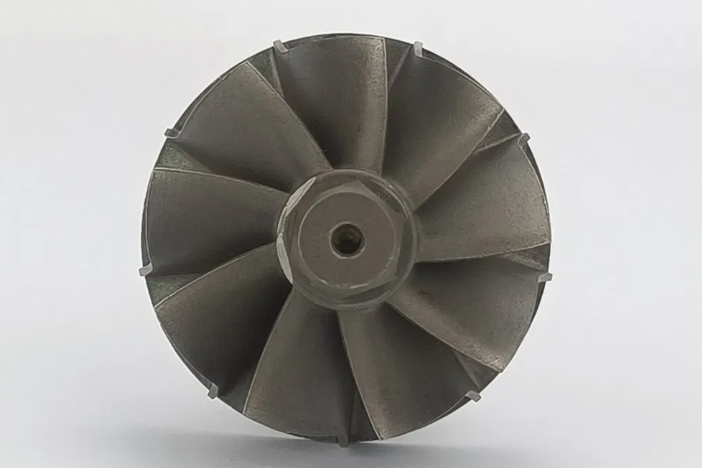
التحديات الأساسية في تصنيع أجزاء دوارات التوربينات من ستيلايت
يُشكل تطريق أجزاء دوارات التوربينات من ستيلايت 6 و ستيلايت 21 تحديات فريدة:
تزيد صلادة المادة العالية (HRC 40–55) من تآكل الأدوات وتعقيد التطريق.
الحفاظ على تحملات الأبعاد الدقيقة (±0.05 مم) لكفاءة الديناميكا الهوائية وتوازن الدوار.
تحقيق بنية حبيبية موحدة لتحسين عمر التعب ومقاومة الحرارة.
إدارة توزيع طور الكربيد لتعزيز مقاومة التآكل والتآكل دون هشاشة.
عملية التطريق الدقيق لمكونات دوار ستيلايت
تتضمن عملية التطريق الدقيق لدوارات التوربينات من ستيلايت:
تسخين المسبوكات الأولية: تسخين موحد لمسبوكات ستيلايت إلى 1150–1200°C لضمان قابلية التطريق المثلى.
التطريق في قالب مغلق: تطبيق معدلات تشوه مضبوطة لتحقيق الأشكال الهندسية المستهدفة والبنى المجهرية المتجانسة.
التبريد المضبوط: التبريد التدريجي بالهواء أو التبريد المضبوط في الفرن (~20–40°C/ساعة) لتنقية حجم الحبيبات وتقليل الإجهادات المتبقية.
المعالجة الحرارية بعد التطريق: التلدين بالمحلول والشيخوخة المضبوطة لتحسين الصلادة، وقوة الشد، ومقاومة الزحف.
التشغيل الآلي النهائي بالتحكم الرقمي: التشغيل الدقيق لتحقيق تحملات ضمن ±0.01 مم ونعومة سطحية Ra ≤1.6 ميكرومتر لتوازن الدوار الديناميكي.
مقارنة طرق التصنيع لأجزاء دوارات التوربينات
طريقة التصنيع | دقة الأبعاد | نعومة السطح (Ra) | مقاومة التآكل | الاستقرار الحراري | كفاءة التكلفة |
|---|---|---|---|---|---|
التطريق الدقيق | ±0.05 مم | ≤3.2 ميكرومتر | فائقة | فائقة | متوسطة |
الصب الاستثماري بالتفريغ | ±0.1 مم | ≤3.2 ميكرومتر | جيدة | جيدة | متوسطة |
التشغيل الآلي بالتحكم الرقمي (من المادة الصلبة) | ±0.01 مم | ≤0.8 ميكرومتر | جيدة | معتدلة | عالية |
استراتيجية اختيار طريقة التصنيع
يعتمد اختيار الطريقة المناسبة لأجزاء دوارات التوربينات على متطلبات الأداء:
التطريق الدقيق: مثالي للدوارات الحرجة التي تتطلب قوة ميكانيكية فائقة، وبنى مجهرية مضبوطة، وتحملات ضيقة (±0.05 مم). تقدم أجزاء دوار ستيلايت المطروقة مقاومة تآكل وعمر تحمل أفضل بنسبة تصل إلى 30–40% مقارنة بنظيراتها المصبوبة.
الصب الاستثماري بالتفريغ: مناسب للأشكال الهندسية المعقدة حيث يكون التطريق صعبًا. يحقق خواص ميكانيكية ونعومة سطحية معقولة.
التشغيل الآلي بالتحكم الرقمي (من المادة الصلبة): مفضل للنماذج الأولية أو الأجزاء فائقة الدقة التي تتطلب تحملات تشغيل نهائية (±0.01 مم) ونعومة سطحية ممتازة (Ra ≤0.8 ميكرومتر).
مصفوفة أداء سبائك ستيلايت
مادة السبيكة | الصلادة (HRC) | قوة الشد (MPa) | مقاومة التآكل | مقاومة الأكسدة | التطبيقات النموذجية |
|---|---|---|---|---|---|
43–50 | 900 | فائقة | ممتازة | دوارات التوربينات، مقاعد الصمامات | |
35–45 | 870 | جيدة | ممتازة | أجزاء دوارة تحت إجهاد عالٍ | |
48–55 | 950 | فائقة | جيدة | دوارات القطع، حلقات الطيران الفضائية | |
42–48 | 870 | فائقة | فائقة | أعمدة التوربينات، حلقات التآكل | |
30–38 | 850 | معتدلة | ممتازة | دوارات توربينات الفضاء |
استراتيجية اختيار السبيكة لأجزاء دوار ستيلايت
تعتمد استراتيجيات اختيار السبيكة على بيئة الخدمة والخصائص المطلوبة:
ستيلايت 6: مفضلة لأجزاء دوارات التوربينات العامة التي تتطلب مقاومة ممتازة للتآكل والتآكل مع صلادة عالية (HRC 43–50).
ستيلايت 21: تُختار لمكونات الدوار التي تتطلب مرونة ومتانة أفضل تحت ظروف الدورات الحرارية.
ستيلايت 12: مثالية لدوارات القطع والحلقات المعرضة لظروف كاشطة للغاية، حيث تقدم صلادة تصل إلى HRC 55.
ستيلايت 6B: مناسبة لأعمدة التوربينات وحلقات التآكل التي تتطلب صلادة عالية ومقاومة أكسدة فائقة.
ستيلايت 25: تُستخدم في دوارات توربينات الفضاء حيث تكون قوة درجة الحرارة العالية ومقاومة التآكل ضرورية.
تقنيات المعالجة اللاحقة الرئيسية
تتضمن علاجات المعالجة اللاحقة الأساسية لأجزاء دوارات التوربينات:
الكبس المتساوي الحرارة (HIP): يعزز الكثافة وقوة التعب عن طريق القضاء على المسامية.
التشغيل الآلي الدقيق بالتحكم الرقمي: تعديلات الأبعاد النهائية لتحقيق دقة ±0.01 مم.
المعالجة الحرارية: التلدين والشيخوخة المخصصة لتحسين الخواص الميكانيكية والتعب الحراري.
تشطيب السطح: الطحن، والتلميع، والطلاءات الواقية لتعزيز عمر التآكل وتقليل الاحتكاك.
طرق الاختبار وضمان الجودة
تضمن Neway AeroTech جودة المكونات من خلال:
آلة القياس الإحداثي (CMM): فحص الأبعاد ضمن ±0.005 مم.
فحص الأشعة السينية: كشف العيوب الداخلية لسلامة الهيكل.
المجهر المعدني: تقييم البنية المجهرية لتوزيع الكربيد وبنية الحبيبات.
اختبار الشد: التحقق من القوة الميكانيكية.
يتوافق ضمان الجودة بالكامل مع معايير الفضاء AS9100.
دراسة حالة: دوارات توربينات ستيلايت 6B المطروقة بدقة
قدمت Neway AeroTech بنجاح مكونات دوار توربينات ستيلايت 6B لمشروع توربين صناعي، محققة:
دقة الأبعاد: تم الحفاظ على ±0.03 مم باستمرار
نعومة السطح: تم تحقيق Ra ≤1.2 ميكرومتر بعد التشغيل النهائي
عمر التعب: تحسن بنسبة 32% بعد علاج HIP والشيخوخة
الشهادة: متوافقة بالكامل مع معايير الفضاء AS9100
الأسئلة الشائعة
ما هي مزايا استخدام سبائك ستيلايت لأجزاء دوارات التوربينات؟
ما هي درجات سبائك ستيلايت الأنسب لمكونات التوربينات عالية التآكل؟
كيف يحسن التطريق أداء أجزاء دوار ستيلايت؟
ما هي تقنيات المعالجة اللاحقة التي تعزز متانة دوار ستيلايت؟
ما هي معايير الجودة التي تلبيها مكونات التوربينات المطروقة من ستيلايت الخاصة بكم؟
