
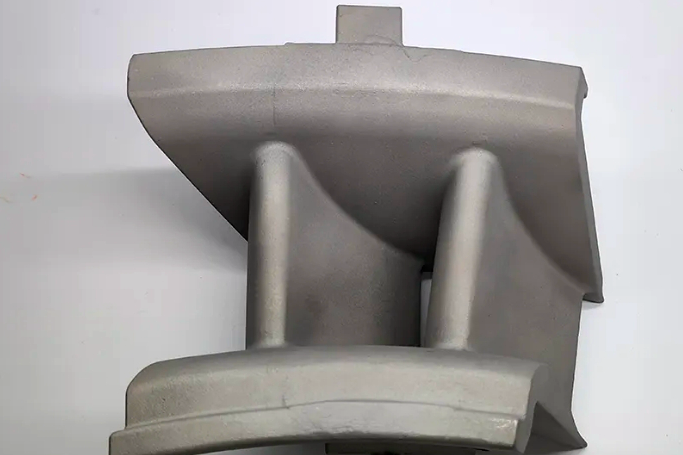
سبائك الكوبالت نيمونيك 90 دليل فوهة ريش التوجيه صب الاستثمار الدقيق
مقدمة
نيمونيك 90 هو سبيكة عالية القوة من النيكل-الكروم-الكوبالت مصممة خصيصًا لتقديم قوة استثنائية في درجات الحرارة العالية، ومقاومة للزحف، ومقاومة للأكسدة تصل إلى 950 درجة مئوية. بقوة شد تبلغ حوالي 1000 ميجا باسكال وعمر إجهاد متميز، فهو الخيار المفضل لتصنيع ريش توجيه الفوهة المستخدمة في التوربينات الغازية وأنظمة الدفع الفضائية.
في نيواي إيروتيك، نحن متخصصون في إنتاج ريش توجيه الفوهة من سبيكة نيمونيك 90 من خلال صب الاستثمار الفراغي المتقدم، لتحقيق تسامحات أبعاد دقيقة، ونهايات سطحية ناعمة، وبنيات مجهرية محسنة لأداء توربيني فائق وإطالة عمر المكون.
التحديات الرئيسية في تصنيع ريش توجيه الفوهة من سبيكة نيمونيك 90
التحكم الدقيق في تركيب السبيكة (Ni ≥55%، Cr ~19.5%، Co ~18%، Ti ~2.5%، Al ~1.4%) للاستقرار الميكانيكي والحراري.
التحكم الصارم في معدل التبريد (~4–6°C/دقيقة) لتكوين حبيبات متساوية المحاور دقيقة ومنع الفصل المجهري.
تحقيق تسامحات ضيقة (±0.05 مم) لضمان اتساق التدفق الديناميكي الهوائي.
نهايات سطحية عالية الجودة (Ra ≤1.6 ميكرومتر) أمر بالغ الأهمية لتقليل اضطراب تدفق الهواء.
عملية صب الاستثمار الدقيق لريش التوجيه من سبيكة نيمونيك 90
تتضمن عملية الإنتاج:
تصنيع نموذج الشمع: نماذج شمعية دقيقة مصبوبة بالحقن مع قابلية تكرار أبعاد ±0.1%.
بناء القشرة: تطبيق طبقات متعددة من معلق السيراميك الناعم والرمال الحرارية لأصداف قوالب قوية.
إزالة الشمع: التبخير في الأوتوكلاف عند ~150°C يضمن إزالة نظيفة للشمع دون تشقق القشرة.
الصهر والصب الفراغي: يتم صهر سبيكة نيمونيك 90 وصبها عند ~1420°C تحت فراغ (<10⁻³ باسكال) لتجنب الأكسدة.
التصلب المتحكم به: التبريد البطيء يحقق بنية حبيبية دقيقة مثالية، مما يعزز مقاومة الزحف والإجهاد.
إزا�ة القشرة والتشطيب: إزالة القشرة، التشغيل الآلي الدقيق بالتحكم الرقمي، والتلميع لتلبية المواصفات الديناميكية الهوائية النهائية.
تحليل مقارن لطرق الصب لريش توجيه الفوهة
العملية | جودة النهاية السطحية | الدقة الأبعادية | القوة الميكانيكية | مقاومة الحرارة العالية | مستوى التكلفة |
|---|---|---|---|---|---|
صب الاستثمار الفراغي | ممتازة (Ra ≤1.6 ميكرومتر) | عالية جداً (±0.05 مم) | فائقة (~1000 ميجا باسكال) | متميزة (~950°C) | متوسطة |
صب البلورات متساوية المحاور | جيدة (Ra ~3 ميكرومتر) | عالية (±0.05 مم) | جيدة جداً (~980 ميجا باسكال) | عالية (~900°C) | متوسطة |
الصب بالرمل | متوسطة (Ra ~12 ميكرومتر) | متوسطة (±0.5 مم) | جيدة (~850 ميجا باسكال) | متوسطة (~800°C) | منخفضة |
التشغيل الآلي بالتحكم الرقمي من المقطع الخام | ممتازة (Ra ≤0.8 ميكرومتر) | عالية جداً (±0.01 مم) | فائقة (~1000 ميجا باسكال) | متميزة (~950°C) | عالية |
الاستراتيجية المثلى للتصنيع لريش توجيه الفوهة من سبيكة نيمونيك 90
صب الاستثمار الفراغي: مثالي لمكونات التوربينات الحرجة التي تتطلب Ra ≤1.6 ميكرومتر وتسامحات ±0.05 مم مع قوة عالية عند 950°C.
صب البلورات متساوية المحاور: مناسب لتطبيقات التوربينات الثانوية عالية القوة حيث يكون توفير تكلفة طفيف مقبولاً.
الصب بالرمل: يقتصر على أجزاء التوربينات غير الديناميكية الهوائية ومنخفضة الإجهاد.
التشغيل الآلي بالتحكم الرقمي من المقطع الخام: يُطبق لإنهاء المناطق الحرجة الدقيقة مثل أسطح الإحكام والديناميكية الهوائية.
نظرة عامة على أداء سبيكة نيمونيك 90
الخاصية | القيمة | ملاءمة التطبيق |
|---|---|---|
قوة الشد | ~1000 ميجا باسكال | قوة فائقة تحت الأحمال الحرارية والميكانيكية العالية |
أقصى درجة حرارة تشغيل | ~950°C | أداء مستقر تحت التكرار الحراري المستمر |
مقاومة الزحف | متميزة | تطيل عمر الريشة تحت الإجهاد العالي |
مقاومة الأكسدة | ممتازة | تحمي الأسطح في بيئات الغاز الساخن العدوانية |
معامل التمدد الحراري | ~13.5 ميكرومتر/م·°C | يضمن الاستقرار الأبعادي أثناء التسخين السريع |
مزايا استخدام سبيكة نيمونيك 90 لريش توجيه الفوهة
القوة في درجات الحرارة العالية ومقاومة الزحف تحافظ على سلامة الريشة عند درجات حرارة خدمة تصل إلى 950°C.
مقاومة إجهاد ممتازة تمنع الفشل تحت التحميل الحراري-الميكانيكي الدوري.
مقاومة أكسدة متميزة تطيل عمر الخدمة في بيئات التوربينات العدوانية.
قابلية صب جيدة تمكن من تصنيع أشكال ريش ديناميكية هوائية معقدة ودقيقة.
تقنيات المعالجة اللاحقة لريش سبيكة نيمونيك 90
الكبس المتساوي الساخن (HIP): يكثف المادة، مما يحسن مقاومة الإجهاد والزحف بنسبة 15–20%.
طلاء الحاجز الحراري (TBC): يطبق طلاء سيراميكي ~250 ميكرومتر، مما يخفض درجة حرارة السطح حتى 150°C.
التشغيل الآلي الدقيق بالتحكم الرقمي: التشغيل النهائي يحقق Ra ≤0.8 ميكرومتر وتسامحات ضمن ±0.01 مم للأداء الديناميكي الهوائي.
الفحص غير التدميري (NDT): يضمن جودة خالية من العيوب من خلال التحليل بالموجات فوق الصوتية والاختراق والميتالوغرافي.
التفتيش وضمان الجودة لريش توجيه الفوهة
آلة القياس الإحداثي (CMM): تقيس أشكال الريش والأسطح الحرجة بدقة ±0.05 مم.
الفحص بالموجات فوق الصوتية (UT): يحدد العيوب الداخلية بشكل غير تدميري.
فحص الاختراق بالصبغة (PT): يكشف عن انقطاعات سطحية دقيقة حتى 0.002 مم.
التحليل الميتالوغرافي: يؤكد أن البنية المجهرية وجودة الحبيبات تلبي معايير الفضاء.
التطبيقات الصناعية ودراسة الحالة
يتم نشر ريش توجيه الفوهة من سبيكة نيمونيك 90 المصنعة من قبل نيواي إيروتيك على نطاق واسع في محركات الفضاء، والتوربينات الغازية الصناعية، والآلات التوربينية عالية الأداء. في برنامج توربين فضائي رائد، أظهرت ريش نيمونيك 90 عمر خدمة أطول بنسبة 32% من السبائك النيكلية التقليدية تحت التشغيل المستمر عند 930°C، مما مدد فترات صيانة المحرك بشكل كبير وحسن الكفاءة العامة.
الأسئلة الشائعة
ما هي التسامحات الأبعادية التي تحققها نيواي إيروتيك لريش توجيه الفوهة من سبيكة نيمونيك 90؟
لماذا يعد صب الاستثمار الفراغي أفضل طريقة لتصنيع أجزاء التوربين من سبيكة نيمونيك 90؟
كيف تتفوق سبيكة نيمونيك 90 على السبائك النيكلية الأخرى في تطبيقات التوربينات؟
ما هي الصناعات التي تستخدم بشكل أساسي ريش توجيه الفوهة من سبيكة نيمونيك 90؟
كيف تضمن نيواي إيروتيك السلامة الهيكلية والموثوقية للمسبوكات من سبيكة نيمونيك 90؟
