
حلول متقدمة للخراطة باستخدام الحاسب الآلي (CNC) لأجزاء المساحيق المعدنية
مقدمة
غالبًا ما تتطلب مكونات المساحيق المعدنية (PM)، التي تتميز بأشكالها الهندسية المعقدة وبنيتها الدقيقة عالية الكثافة، حلول تشغيل آلية متخصصة. باستخدام تقنيات الخراطة المتقدمة باستخدام الحاسب الآلي (CNC) لسبائك فائقة، تحقق شركة Neway AeroTech أبعادًا تحملية دقيقة تصل إلى ±0.005 مم، مما يضمن أن مكونات المساحيق المعدنية تلبي بالكامل معايير الفضاء والصناعة الصارمة.
باستخدام أنظمة الخراطة متعددة المحاور باستخدام الحاسب الآلي (CNC) والمحسنة لمواد المساحيق المعدنية، تتعامل شركة Neway AeroTech بفعالية مع الميزات المعقدة ومستويات الصلابة الصعبة (HRC 50-65)، مما يوفر تشطيبات سطحية عالية الجودة (Ra ≤0.8 ميكرومتر) واتساقًا استثنائيًا للمكونات.
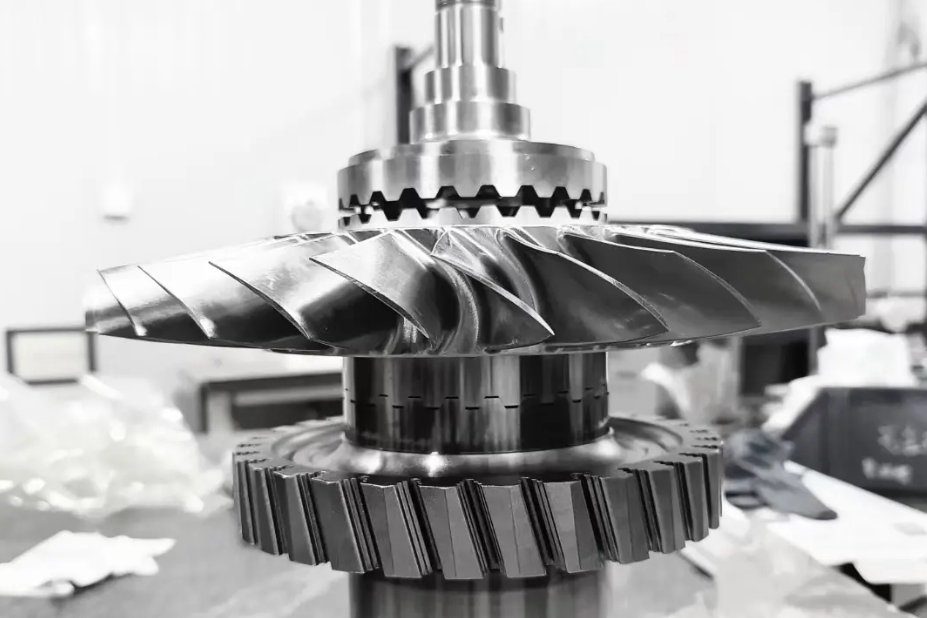
التحديات الأساسية للخراطة باستخدام الحاسب الآلي (CNC) لمكونات المساحيق المعدنية
تشكيل المكونات المنتجة عبر المساحيق المعدنية، وخاصة السبائك مثل Inconel 718، وHastelloy X، وسبائك التيتانيوم، يشكل تحديات فريدة:
صلابة المواد العالية جدًا ومقاومة التآكل (عادةً HRC 50-65)، مما يؤدي إلى تآكل أدوات القطع بسرعة.
الحفاظ على أبعاد تحملية ضيقة (±0.005 مم) وتشطيبات سطحية (Ra ≤0.8 ميكرومتر).
تقليل الإجهادات المتبقية الناتجة عن التشغيل والتشققات الدقيقة السطحية.
ضمان التشغيل الدقيق للأشكال الهندسية الداخلية المعقدة والأشكال المتقنة.
عملية الخراطة التفصيلية باستخدام الحاسب الآلي (CNC) لمكونات المساحيق المعدنية
تتضمن الخراطة المتقدمة باستخدام الحاسب الآلي (CNC) لأجزاء المساحيق المعدنية:
تقييم المواد: تحليل البنية الدقيقة والصلابة للمساحيق المعدنية لتحديد الأدوات والمعلمات المثلى للتشغيل.
الخراطة متعددة المحاور: استخدام مراكز الخراطة باستخدام الحاسب الآلي (CNC) بخمسة محاور لتحقيق أشكال هندسية معقدة، وأبعاد تحملية ضيقة (±0.005 مم)، وتقليل أخطاء إعادة الوضع.
اختيار الأدوات المحسنة: استخدام أدوات قطع من الكربيد أو السيراميك أو CBN المصممة خصيصًا لمواد المساحيق المعدنية فائقة الصلابة، مما يعزز عمر الأداة ويقلل من تلف السطح.
الخراطة التكيفية: تعديلات معلمات القطع في الوقت الفعلي (السرعة: 40-120 م/دقيقة، التغذية: 0.01-0.15 مم/دورة) لتقليل توليد الحرارة والإجهادات المتبقية وتآكل الأداة.
التشطيب الدقيق للسطح: إجراء عمليات تشطيب نهائية لتحقيق خشونة سطحية فائقة (Ra ≤0.8 ميكرومتر)، وهي أمر بالغ الأهمية لتطبيقات الفضاء والصناعة الدقيقة.
فحص مراقبة الجودة: استخدام القياسات التنسيقية (CMM) والقياسات البصرية للتحقق من دقة الأبعاد وسلامة السطح والامتثال العام للجودة.
مقارنة طرق الخراطة باستخدام الحاسب الآلي (CNC) لأجزاء المساحيق المعدنية
طريقة الخراطة باستخدام الحاسب الآلي (CNC) | الدقة | التشطيب (Ra) | عمر الأداة | التعامل مع التعقيد | الكفاءة من حيث التكلفة |
|---|---|---|---|---|---|
الخراطة متعددة المحاور باستخدام الحاسب الآلي (CNC) | ±0.005 مم | ≤0.8 ميكرومتر | عالية | ممتاز | متوسطة |
الخراطة بالتفريغ الكهربائي (Wire EDM) | ±0.003 مم | ≤0.4 ميكرومتر | معتدلة | ممتاز | عالية |
الطحن باستخدام الحاسب الآلي (CNC Grinding) | ±0.002 مم | ≤0.2 ميكرومتر | عالية | معتدلة | عالية |
الخراطة/التحويل التقليدية باستخدام الحاسب الآلي (CNC) | ±0.01 مم | ≤1.6 ميكرومتر | منخفضة | معتدلة | منخفضة |
استراتيجية اختيار طريقة الخراطة باستخدام الحاسب الآلي (CNC)
يتضمن اختيار طرق الخراطة المثلى باستخدام الحاسب الآلي (CNC) لمكونات المساحيق المعدنية:
الخراطة متعددة المحاور باستخدام الحاسب الآلي (CNC): الأفضل للأشكال الهندسية المعقدة التي تتطلب دقة أبعاد عالية (±0.005 مم) وإنتاج سريع.
الخراطة بالتفريغ الكهربائي (Wire EDM): مثالية للأبعاد التحملية الضيقة للغاية (±0.003 مم)، والميزات الداخلية المعقدة، ومواد المساحيق المعدنية فائقة الصلابة.
الطحن باستخدام الحاسب الآلي (CNC Grinding): مناسب لتحقيق تشطيبات سطحية فائقة (≤0.2 ميكرومتر Ra) وأبعاد تحملية ضيقة للغاية (±0.002 مم).
الخراطة/التحويل التقليدية باستخدام الحاسب الآلي (CNC): فعالة للأشكال الهندسية الأبسط ذات متطلبات الدقة المعتدلة (±0.01 مم) والسيناريوهات الحساسة للتكلفة.
مصفوفة أداء سبائك المساحيق المعدنية
سبيكة المساحيق المعدنية | الكثافة (جم/سم³) | قوة الشد (ميغاباسكال) | الصلابة (HRC) | قوة التحمل (ميغاباسكال) | التطبيقات النموذجية |
|---|---|---|---|---|---|
8.19 | 1375 | 45-50 | 650 | أقراص التوربينات، مكونات الفضاء | |
8.22 | 860 | 42-48 | 580 | بطانة غرف الاحتراق، سخانات صناعية | |
4.43 | 950 | 36-42 | 550 | هياكل الفضاء، الزرعات الطبية | |
8.23 | 1275 | 48-54 | 600 | ريش التوربينات عالية الأداء | |
8.40 | 900 | 50-55 | 520 | مقاعد الصمامات، مكونات المضخات | |
8.44 | 965 | 35-40 | 500 | مسامير البحرية، وصلات النفط |
إرشادات اختيار سبائك المساحيق المعدنية
تشمل استراتيجيات اختيار سبائك المساحيق المعدنية:
مساحيق معدنية من Inconel 718: أقراص توربينات الفضاء التي تتطلب قوة عالية (1375 ميغاباسكال) ومقاومة ممتازة للإجهاد في درجات الحرارة المرتفعة.
مساحيق معدنية من Hastelloy X: بطانة غرف الاحتراق والسخانات الصناعية التي تتطلب مقاومة فائقة للتآكل وقوة شد معتدلة (860 ميغاباسكال).
مساحيق معدنية من التيتانيوم TC4: مكونات هياكل الفضاء خفيفة الوزن والزرعات الطبية الحيوية التي تعطي الأولوية للقوة (950 ميغاباسكال) والتوافق الحيوي.
مساحيق معدنية من Rene 95: ريش التوربينات عالية الأداء التي تتطلب قوة عالية (1275 ميغاباسكال)، ومقاومة للإجهاد، وصلابة فائقة (HRC 48-54).
مساحيق معدنية من Stellite 6: مقاعد الصمامات ومكونات المضخات حيث تكون مقاومة التآكل الاستثنائية والصلابة (HRC 50-55) أمرًا بالغ الأهمية.
مساحيق معدنية من Monel K500: تطبيقات البحرية وصناعة النفط التي تؤكد على مقاومة التآكل، وقابلية التشغيل، وقوة شد جيدة (965 ميغاباسكال).
تقنيات المعالجة اللاحقة الأساسية
تشمل خطوات المعالجة اللاحقة الحرجة لأجزاء المساحيق المعدنية المشغلة باستخدام الحاسب الآلي (CNC):
الضغط المتساوي الحرارة (HIP): يزيل المسامية المتبقية، ويحقق كثافات ≥99.9%، مما يعزز الخواص الميكانيكية.
التشطيب الدقيق للسطح: تقنيات مثل الطحن والتلميع تحقق جودة سطحية فائقة (≤0.2 ميكرومتر Ra).
طلاءات PVD: تعزز مقاومة التآكل وتقلل الاحتكاك، مما يطيل بشكل كبير من عمر الجزء.
المعالجة الحرارية: دورات التخمير والشيخوخة المخصصة تحسن البنية الدقيقة لتحسين الأداء.
دراسة حالة في مجال الفضاء: قرص توربين من مساحيق معدنية من Inconel 718
قدمت شركة Neway AeroTech أقراص توربينات مشغلة بدقة من مساحيق معدنية من Inconel 718 لصانع فضاء، محققة:
دقة الأبعاد: ±0.005 مم
قوة التحمل: تحسنت بنحو ~30%
تشطيب السطح: Ra ≤0.5 ميكرومتر
الشهادة: متوافقة بالكامل مع معايير AS9100
الأسئلة الشائعة
لماذا تعتبر الخراطة باستخدام الحاسب الآلي (CNC) ضرورية لمكونات المساحيق المعدنية؟
أي تقنيات خراطة باستخدام الحاسب الآلي (CNC) توفر أعلى دقة لأجزاء المساحيق المعدنية؟
كيف تدير تآكل الأداة أثناء تشغيل مواد المساحيق المعدنية الصلبة؟
ما التشطيبات السطحية التي يمكن أن تحققها الخراطة باستخدام الحاسب الآلي (CNC) على أجزاء المساحيق المعدنية؟
أي طرق معالجة لاحقة تحسن الخواص الميكانيكية لمكونات المساحيق المعدنية؟
