
قائمة مراجعة RFQ لأجزاء التوربينات المخصصة من السبائك الفائقة المطروقة
لا يصبح عتاد التوربينات المصنوع من السبائك الفائقة المطروقة قابلاً للتسعير إلا بعد أن يفصل طلب عرض الأسعار (RFQ) هندسة الجزء النهائي عن حالة الحدادة الأولية. قد يحتاج المشتري إلى فراغ مطروق خشن لعمليات التشغيل اللاحقة، أو شكل شبه نهائي، أو مطروق مُشغَّل، أو حزمة نهائية مع معالجة حرارية وفحص إصدار. كل خيار يغير تصميم الشكل الأولي، ومراجعة اتجاه تدفق الحبيبات، وتنظيف القشور، وتخطيط نقاط الإسناد، ومن يمتلك الأدلة البعدية النهائية. الطلب الذي يقول فقط "جزء مطروق من إنكونيل" يترك الكثير من قرارات التصنيع مفتوحة لتسعير مسؤول.
تراجع NewayAeroTech طلبات عرض الأسعار المبنية على الرسومات لتوربينات وأجزاء المناطق الساخنة من أجل الدقة في حدادة السبائك الفائقة، والمعالجة الحرارية بعد الحدادة، التصنيع باستخدام الحاسب الآلي للسبائك الفائقة، وتخطيط الفحص عندما يتوافق المكون مع تصنيع السبائك ذات درجات الحرارة العالية المخصصة. الحزمة الأولية المفيدة هي رسم ثنائي الأبعاد، ونموذج ثلاثي الأبعاد إذا كان متاحًا، والسبيكة وحالتها، والكمية، ومتطلبات السطح النهائية، وأدلة الفحص المطلوبة. يمكن للمورد بعد ذلك فصل ما يجب التحكم فيه بالحدادة عما يجب التحكم فيه أثناء التشغيل والإصدار النهائي.
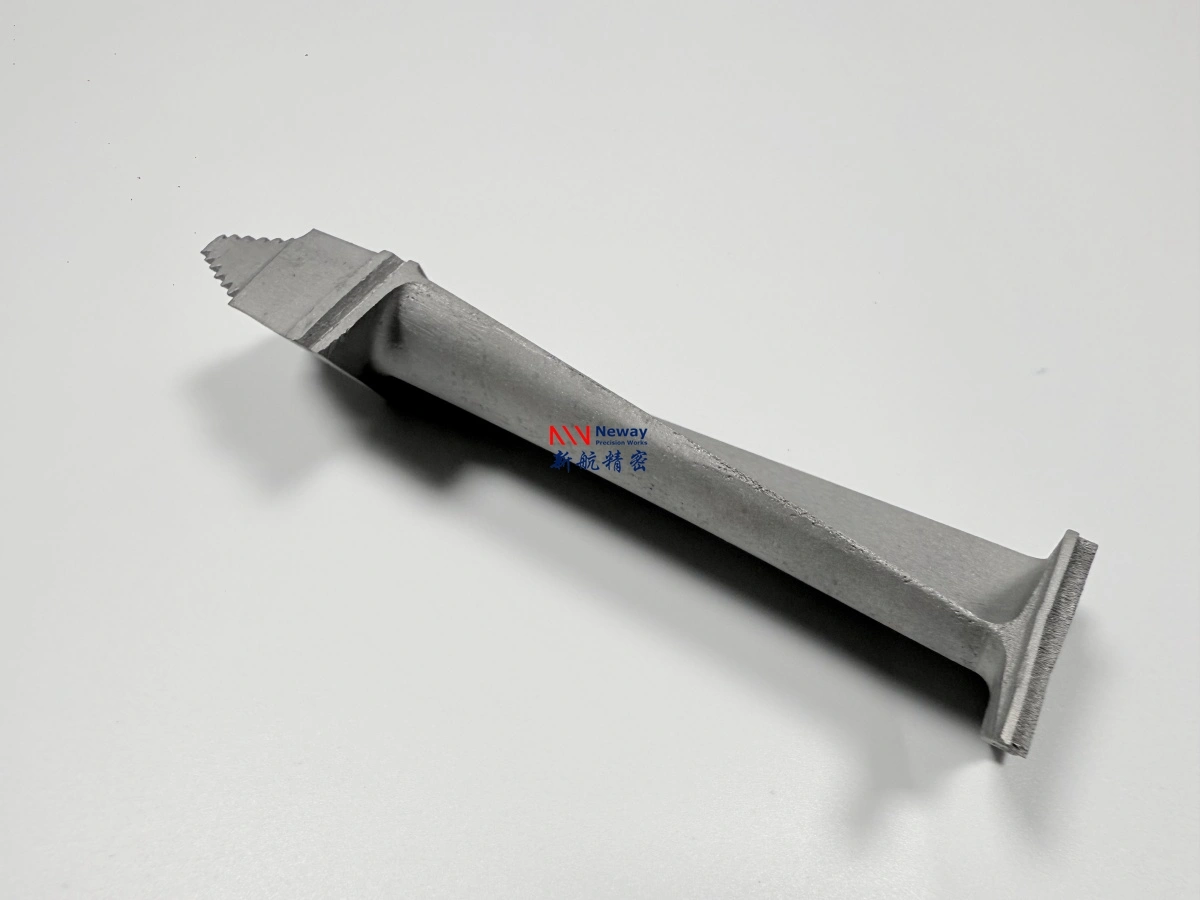
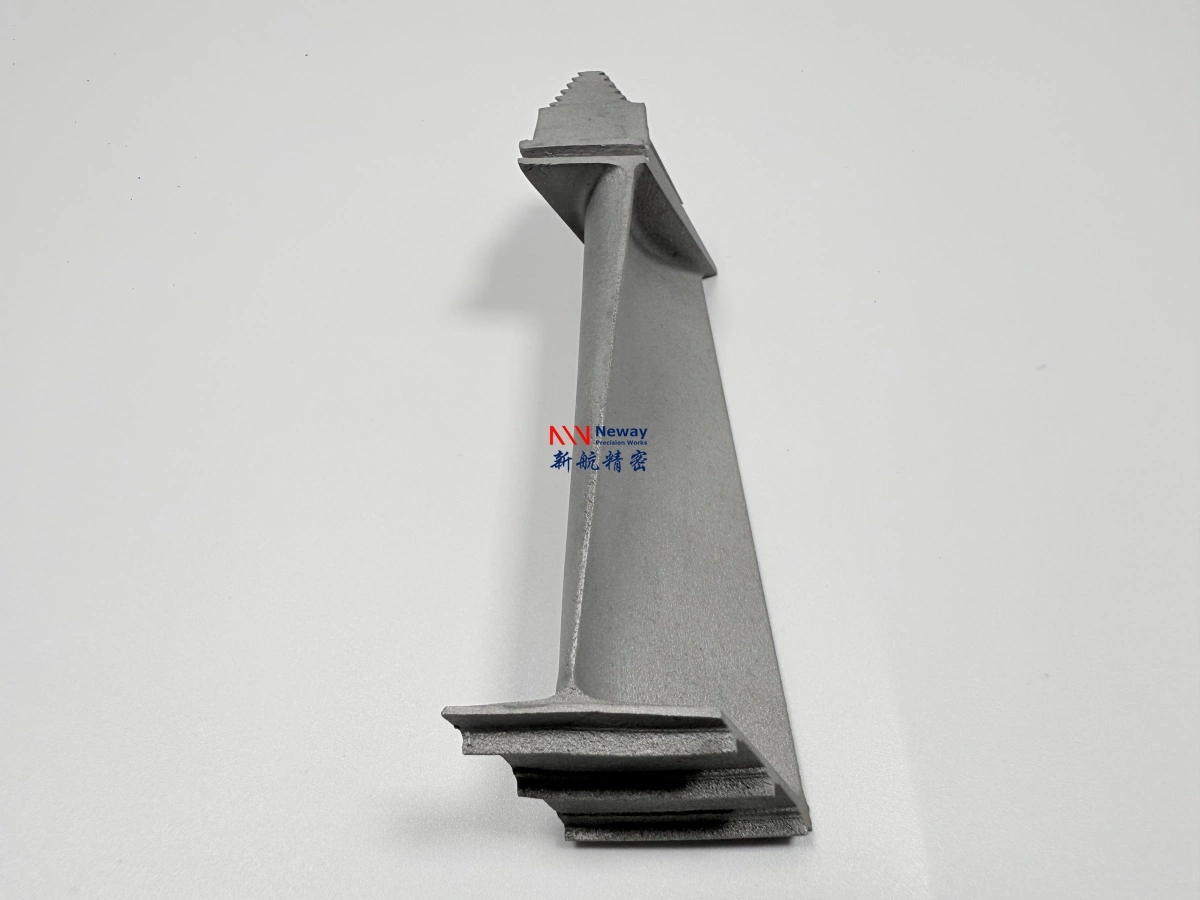
تحديد نطاق الحدادة قبل عرض سعر نهائي
أول قرار للتسعير هو حد التسليم. الفراغ المطروق الخشن يعطي المشتري تحكمًا أكبر في المراحل اللاحقة، لكنه يترك إنشاء نقاط الإسناد، ومعظم الخامات للتنظيف، والفحص النهائي لعملية أخرى. الشكل شبه النهائي يطلب من مورد الحدادة التحكم في الغلاف بشكل أكثر دقة، بما في ذلك أنصاف أقطار الانتقال وتوزيع الخامات. المطروق المُشغَّل يضيف استراتيجية التثبيت، ووصول الأدوات، وإنهاء السطح، وتقارير CMM إلى نفس النطاق التجاري. حزمة عتاد التوربينات النهائية قد تتطلب أيضًا سجلات المعالجة الحرارية، وفحوصات الصلابة، وفحص السطح، ووثائق الإصدار.
يجب كتابة هذا الحد في طلب عرض الأسعار بدلاً من افتراضه من الرسم. الهندسة النهائية وحدها لا تخبر المورد بكمية المواد التي قد تبقى بعد الحدادة، أو ما إذا كانت الأسطح الشاهدة مقبولة، أو الأسطح التي يجب تنظيفها قبل المعالجة الحرارية. بالنسبة لسبائك النيكل والكوبالت عالية الحرارة، القليل جدًا من الخامات يمكن أن يكشف عن خطر الالتفاف، أو القشور، أو عدم تطابق القالب، أو الحركة بعد المعالجة؛ الكثير من الخامات يمكن أن يحول مشروع الحدادة إلى مشروع تشغيل ثقيل بمنطق تكلفة ضعيف.
حد RFQ | يجب على المشتري تحديده | يجب أن يوضح رد المورد | الخطر الرئيسي إذا كان غير واضح |
|---|---|---|---|
فراغ مطروق خشن | الغلاف المستهدف، الحد الأدنى للخامات، السبيكة، الكمية، الحاجة إلى عينات، ومالك التشغيل اللاحق. | مسار الحدادة، مناطق التنظيف المتوقعة، سجلات التتبع، والأسطح المتروكة غير مشغلة. | قد يستلم المشتري فراغًا صالحًا للاستخدام لكنه يفتقر إلى خامات كافية محكومة للتشغيل النهائي. |
شكل شبه نهائي | النموذج النهائي، خريطة الخامات، أنصاف الأقطار الحرجة، حدود خط الفراق، والأسطح التي يجب ألا تكون ناقصة الامتلاء. | جدوى الشكل الأولي، افتراض الأدوات، مفهوم الوميض/التشذيب، وبنود المراجعة قبل الإصدار. | قد يفتقد عرض السعر لأعمال الحدادة المحكومة هندسيًا وتكلفة إعادة العمل اللاحقة. |
مطروق مُشغَّل | مخطط نقاط الإسناد، الأسطح المحكومة، إنهاء السطح، نقاط الفحص، ومراجعة الرسم. | تسلسل التثبيت، تقسيم التشغيل الخشن والنهائي، نطاق CMM، ونقاط توقف الفحص. | قد تتم مقارنة سعر الحدادة وسعر التشغيل كما لو كانا نفس التسليم. |
حزمة نهائية | المعالجة الحرارية، سجلات الفحص، الوسم، التغليف، وأي تنسيق إصدار من العميل. | أي السجلات يمكن لـ NewayAeroTech دعمها بناءً على مراجعة الرسم والمواصفات. | قد يُطلب من المورد تقديم أدلة لم تكن مدرجة في مسار التصنيع المتفق عليه. |
مطابقة الحدادة لهندسة المكون
الحدادة هي الأقوى كمسار RFQ عندما يستفيد المكون من بنية مشغولة، وسمك مقطع متحكم فيه، وشكل فراغ يتجنب التشغيل المفرط من قضيب أو صفيحة. قد تنظر مشاريع التوربينات في الحدادة للفراغات المجاورة للعضو الدوار، والحلقات، والأعمدة، وعتاد التوصيل، والأقواس عالية الحرارة، وحاملات الختم، والأجزاء ذات الصلة بالغلاف، وعتاد المحرك الهيكلي. يجب أن ينظر قرار المسار إلى مسار الحمل، وتغيرات المقطع، واتجاه تدفق الحبيبات، ووصول التشغيل، وما إذا كان الغلاف المطروق يمكن أن يدعم الميزات النهائية دون إزالة معظم المواد المشغولة.
نفس المسار ليس مناسبًا تلقائيًا لكل جزء من المنطقة الساخنة. قد يكون الصب بالاستثمار أكثر عملية للجدران الرقيقة، والشفرات، وقنوات التبريد الداخلية، وهندسة مسار التدفق المعقدة. قد تكون تعدين المساحيق مطلوبة لبعض مواصفات الأقراص عندما يتطلب الرسم والتطبيق هذا المسار. قد يناسب التصنيع باستخدام الحاسب الآلي من مخزون مشغول نموذجًا أوليًا أو هندسة أبسط من أدوات الحدادة الجديدة. يطلب RFQ مفيد من المورد شرح سبب اختيار الحدادة كمسار بداية، وليس فقط ما إذا كان يمكن للورشة حدادة السبيكة.
هندسة المكون | لماذا قد تناسب الحدادة | فحص المشتري قبل الإصدار |
|---|---|---|
حلقة، حامل ختم، أو عتاد الغلاف | الغلاف قريب من فراغ متناظر محوريًا مع أسطح متحكم فيها، أو تجاويف، أو أراضي ختم. | تأكيد الاستدارة، خامات التنظيف، سماحية الوجه، وما إذا كان التشغيل النهائي مشمولاً. |
كتلة مجاورة للعضو الدوار أو ميزة عمود | قد يحتاج المكون إلى بنية مشغولة وشكل فراغ يتماشى مع مسار الحمل. | توضيح توقع تدفق الحبيبات، والحاجة إلى فحص بالموجات فوق الصوتية، وأسطح الإسناد للتشغيل اللاحق. |
قوس عالي الحرارة أو تركيبات هيكلية | يمكن للحدادة أن تقلل الهدر مقابل التشغيل الكامل عندما تكون تغييرات المقطع معتدلة. | وضع علامات على فتحات التثبيت، والوسادات، وأنصاف أقطار المزج، والأسطح التي تتحكم في ملاءمة التجميع. |
شكل الشفرة، أو الريشة المجوفة، أو هندسة الشفرة المبردة | الحدادة عادة ليست الخيار الأول عندما تسود الممرات الداخلية أو جدران مسار التدفق الرقيقة. | مراجعة ما إذا كان يجب النظر في الصب، أو DS، أو SX، أو مسار آخر قبل تقديم عرض سعر للحدادة. |
تثبيت حالة المادة وافتراضات المعالجة الحرارية
يجب أن تتم الموافقة على المادة قبل التعامل مع تسعير الأدوات أو الفراغ على أنه نهائي. يجب على المشترين تحديد درجة السبيكة، وشكل المنتج، ومواصفات المواد الحاكمة إذا كانت تنطبق، وحالة المعالجة الحرارية المطلوبة. إنكونيل 718، وريني 41، ونيمونيك 90، وسبائك واسبالوي، وستلايت، وسبائك عائلة هاستيلوي لا تتصرف كأسماء قابلة للتبديل في RFQ للحدادة. نافذة القابلية للحدادة، وبدل التنظيف، ومسار المعالجة الحرارية، وعبء الفحص، وسلوك التشغيل يمكن أن تتغير حتى عندما تكون درجتان في نفس عائلة السبائك الفائقة الواسعة.
إذا كان الجزء مصنوعًا سابقًا بالصب، أو التصنيع الإضافي، أو التشغيل من سبيكة، يجب على المشتري ألا يفترض أن مسار الحدادة يستخدم نفس منطق القبول. قد تشترك مسارات الصب، والمشغول، والمساحيق، والإضافي في أسماء عائلات السبائك بينما تتطلب مراجعة مختلفة للكيمياء، والبنية الكلية، وتدفق الحبيبات، والمعالجة الحرارية، وأدلة الفحص. عندما تكون الدرجة المكافئة مقبولة، يجب أن يحدد RFQ من يمكنه الموافقة على الاستبدال وما السجلات التي يجب أن ترافق هذا القرار. عندما تكون الدرجة ثابتة، يجب على المورد تقديم عرض سعر مقابل هذا المطلب بدلاً من اقتراح تغيير المادة فقط لتقليل السعر.
المعالجة الحرارية تغير أيضًا حدود عرض السعر. إذا حدثت المعالجة قبل التشغيل النهائي، يجب على المورد مراعاة الحركة قبل إنشاء نقاط الإسناد. إذا كان التشغيل مكتملاً جزئيًا قبل المعالجة النهائية، يجب على المشتري والمورد مراجعة ما إذا كانت الأبعاد، أو إنهاء السطح، أو خطر الإجهاد المتبقي تتطلب بدلًا إضافيًا. يجب أن يذكر RFQ ما إذا كان المشتري يحتاج إلى سجلات المعالجة الحرارية، أو فحوصات الصلابة، أو التحليل الكيميائي، أو علم المعادن، أو الفحص بالموجات فوق الصوتية، أو فحص FPI بعد التشغيل، أو تقارير الأبعاد. طلب كل اختبار ممكن قد يبطئ عرض السعر؛ طلب الاختبارات المرتبطة بمخاطر الجزء ينتج مراجعة تصنيع أفضل.
تخطيط بدل التشغيل من الأسطح الوظيفية
يجب تخطيط بدل التشغيل من الأسطح الوظيفية، وليس من رقم خامات متوسط. تجويف الحلقة، أو سطح flange، أو نمط البراغي، أو أرض الختم، أو كتلة جذر الشفرة، أو وسادة التثبيت، أو كتف العمود قد يحتاج إلى بدل تنظيف مختلف عن السطح الخارجي الحر. يجب أن يحدد الرسم الميزات التي تتحكم في الملاءمة، والختم، وخلوص الدوران، والمحاذاة، أو موقع التجميع. عندما لا يتم تحديد هذه الأسطح، قد يقوم المورد بتسعير فراغ يبدو اقتصاديًا لكنه يترك خيارات إسناد سيئة للتشغيل النهائي.
بالنسبة للمطروق المُشغَّل، تحتاج NewayAeroTech إلى فهم ما إذا كانت مسؤولة فقط عن التشغيل الخشن، أو التشغيل النهائي، أو حزمة إصدار كاملة. قد يخلق التشغيل الخشن نقاط إسناد مستقرة ويزيل القشور قبل المعالجة الحرارية. قد يتطلب التشغيل النهائي تقارير CMM نهائية، وتأكيد إنهاء السطح، وفحص الخيوط أو الثقوب، ومعالجة دقيقة لتآكل أدوات السبائك الفائقة الصلبة. الجيوب العميقة، والقطع المتقطع، والشفاه الرقيقة، وسبائك النيكل المعالجة حرارياً يمكن أن تغير تصميم التثبيت وتسلسل التشغيل، لذا يجب أن تكون هذه الميزات مرئية في النموذج ومحددة في الرسم.
السطح أو الميزة | سؤال التخطيط | التأثير على عرض السعر |
|---|---|---|
تجويف، سطح حلقة، أو أرض ختم | هل تتحكم الميزة في التجميع أو الختم أو خلوص الدوران؟ | يحدد خريطة الخامات، واستراتيجية الإسناد، والفحص النهائي، وخطر إعادة العمل المحتمل. |
وسادة تثبيت، نمط براغي، أو ميزة ملولبة | هل يتم تشطيب الثقوب بعد المعالجة، وهل فحوصات الموضع مطلوبة؟ | يضيف تصميم التثبيت، ومراجعة وصول الأدوات، ونطاق الإبلاغ البعدي. |
نصف قطر مزج أو مقطع انتقالي | هل نصف قطر الحدادة وظيفي، أم يمكن تنظيفه أثناء التشغيل؟ | يغير افتراض الأدوات وما إذا كان النقص في الامتلاء أو الخامات الزائدة مقبولاً. |
سطح خارجي غير وظيفي | هل يمكن ترك السطح كما هو بعد الحدادة أو تنظيفه خفيفًا؟ | يمنع تكلفة التشغيل غير الضرورية على الأسطح التي لا تتحكم في الأداء أو التجميع. |
أدلة الفحص لإصدار القطعة الأولى
يجب أن تتبع أدلة الفحص المخاطر الناتجة عن المكون والسبيكة وحالة التسليم. قد يحتاج الفراغ المطروق الخشن إلى تتبع المواد، وفحوصات الغلاف البعدية، والفحص بالموجات فوق الصوتية عندما يتطلبه الرسم. قد يحتاج المطروق المُشغَّل إلى بيانات CMM، وتأكيد إنهاء السطح، واختبار الصلابة، وFPI للأسطح المشغلة، وسجلات تظهر أن المعالجة الحرارية اكتملت وفقًا للمسار المتفق عليه. يجب على المشتري تحديد الأدلة اللازمة لمراجعة القطعة الأولى والأدلة اللازمة لدفعات الإنتاج المتكررة.
يكون التحقق من صحة القطعة الأولى أكثر فائدة عندما يختبر مسار التصنيع بدلاً من البعد النهائي فقط. يجب أن تؤكد المراجعة أن الفراغ المطروق يوفر خامات كافية عند الأسطح المحكومة، وأن المعالجة الحرارية لا تستهلك بدل التشغيل، وأن خيارات الإسناد مستقرة، وأن وصول الفحص عملي. إذا قام المشتري فقط بفحص الرسم النهائي في النهاية، فقد يكتشف المشروع بعد فوات الأوان أن شكل الفراغ أو حالة المادة أو طريقة الفحص لم تكن متوافقة مع مخاطر المكون.
بند الأدلة | لماذا يطلبه المشتري | متى ينتمي إلى RFQ |
|---|---|---|
تتبع المواد والكيمياء | يؤكد هوية السبيكة ويربط الجزء بسجل المواد المقدم. | لعتاد التوربينات من النيكل والكوبالت والسبائك الخاصة حيث يكون التحكم في الدرجة جزءًا من الإصدار. |
الفحص بالموجات فوق الصوتية أو السطحي | يتحقق من الظروف الداخلية أو السطحية التي قد تؤثر على فراغ مطروق عالي القيمة. | عندما يتطلب الرسم أو مراجعة المخاطر الفحص قبل التشغيل النهائي أو الشحن. |
CMM وتقرير الأبعاد | يوضح أن نقاط الإسناد الوظيفية والتجاويف والأسطح والوسادات ومواضع الثقوب تلبي الرسم. | للمطروقات المشغلة أو الحزم النهائية ذات أسطح التجميع المحكومة. |
سجلات المعالجة الحرارية والصلابة | يربط الحالة الميكانيكية بمسار التصنيع المتفق عليه. | عندما تكون المعالجة الحرارية مشمولة في نطاق NewayAeroTech أو مطلوبة قبل قبول المشتري. |
حدود المورد لطلبات RFQ لعتاد التوربينات المخصص
يجب أن يفصل مراجعة المورد العملية بين مسؤولية التصنيع وسلطة التصميم وتوريد قطع الغيار الكتالوجية. NewayAeroTech مناسبة عندما يكون لدى المشتري رسم أو نموذج أو مواصفة أو أساس عينة قابل للاستخدام ويحتاج إلى مسار تصنيع مخصص لعتاد التوربينات من السبائك الفائقة المطروقة. قد يتضمن العمل مراجعة مسار الحدادة، وتخطيط المعالجة الحرارية، ودعم التصنيع باستخدام الحاسب الآلي، وأدلة الفحص لإنتاج دفعات صغيرة أو متوسطة، اعتمادًا على الهندسة والمتطلبات.
قد لا يكون طلب عرض الأسعار مناسبًا إذا كان المشتري يطلب قطعة غيار قياسية من المخزون، أو عنصرًا غير موثق بدون هندسة قابلة للاستخدام، أو قوسًا فولاذيًا عامًا منخفض التكلفة، أو ادعاء موافقة نهائية يقع خارج دور مورد التصنيع. إذا كانت العينة المستخدمة فقط متاحة، يجب على المشتري تحديد الأبعاد الموثوقة والأسطح التي قد تكون متآكلة أو مؤكسدة أو مطلية أو مُصلحة أو مشوهة. يجب أن توجه العينة المتآكلة مراجعة الهندسة العكسية، ولكن لا ينبغي التعامل معها كهندسة نهائية دون موافقة المشتري ومناقشة الفحص.
يجب أن تتم المقارنة التجارية بعد أن يصبح الحد الهندسي واضحًا. قد يبدو عرضان مختلفين لأن أحد الموردين سعر فقط الفراغ الخشن بينما سعر آخر الحدادة والمعالجة الحرارية والتشغيل وفحص الإصدار. يجب على المشترين أن يطلبوا من كل مورد قائمة بالبنود المشمولة والمستثناة وافتراضات الرسم وافتراضات المواد والسجلات المقدمة مع الجزء. وهذا يجعل مراجعة عرض السعر مفيدة للمشتريات وللمهندسين الذين يجب عليهم إصدار الجزء في برنامج عتاد توربين أو طيران.
قائمة مراجعة حزمة RFQ لمراجعة NewayAeroTech
قبل طلب عرض سعر نهائي، قم بإعداد حزمة RFQ تتيح للمورد الحكم على قابلية التصنيع ومحركات التكلفة ومسؤولية التسليم. تشمل الحزمة الدنيا عادةً رسمًا ثنائي الأبعاد، ونموذجًا ثلاثي الأبعاد إذا كان متاحًا، ودرجة السبيكة، وحالة المادة، والكمية، وحد التسليم، ومتطلب المعالجة الحرارية، والأسطح المحكومة، وملاحظات إنهاء السطح، ومتطلب الفحص، وأي عينة أو دليل صورة. إذا كان المشروع يستبدل مكونًا مصنوعًا مسبقًا، قم بتضمين تاريخ المواد المعروف وسبب التفكير في مسار الحدادة.
يجب على المشترين أيضًا وضع علامة على ما يمكن أن يتغير وما لا يمكن. إذا كانت الهندسة النهائية ثابتة ولكن شكل الفراغ مفتوح لاقتراح المورد، فاذكر ذلك بوضوح. إذا كانت السبيكة ثابتة بالمواصفة، فلا تدعو إلى الاستبدال بدون مسار مراجعة. إذا كان يجب إكمال التشغيل بواسطة NewayAeroTech، فحدد الأسطح النهائية وتوقعات التقرير. إذا كان المشتري يحتاج فقط إلى فراغ، فحدد مالك التشغيل النهائي والخامات التي يجب أن تبقى لتلك العملية.
بند RFQ | معلومات لتقديمها | قرار عرض السعر الذي يدعمه |
|---|---|---|
الرسم والنموذج | الهندسة النهائية، والمراجعة، ومخطط الإسناد، والأسطح الحرجة، وأي مناطق شكل فراغ مفتوحة. | يفصل جدوى الحدادة عن مسؤولية التشغيل النهائي. |
المادة والحالة | درجة السبيكة، وتوقع شكل المنتج، وحالة المعالجة الحرارية، وقاعدة الاستبدال. | يسمح للمورد بمراجعة قابلية الحدادة والمعالجة الحرارية وأدلة الفحص. |
الكمية والجدول الزمني المطلوب | نموذج أولي، أو قطعة أولى، أو دفعة متكررة، أو كمية إنتاج صغير. | يساعد في تمييز نهج الأدوات، وتخطيط الدفعات، ونطاق التوثيق دون افتراض التزام جدول زمني محدد. |
الفحص والسجلات | CMM، أو فحص الموجات فوق الصوتية، أو الصلابة، أو FPI، أو الكيمياء، أو علم المعادن، أو تنسيق تقرير العميل إذا كان مطلوبًا. | يوائم أدلة الإصدار مع مخاطر الجزء قبل وضع الطلب. |
أرسل الرسم والنموذج ودرجة السبيكة والكمية وحالة التسليم وأسطح التشغيل ومتطلبات الفحص. يمكن لـ NewayAeroTech مراجعة ما إذا كان مسار حدادة السبائك الفائقة الدقيقة، مع المعالجة الحرارية، والتصنيع باستخدام الحاسب الآلي، واختبار المواد كما هو مطلوب من قبل المشروع، مناسبًا لطلب RFQ الخاص بعتاد التوربينات المخصص.
الأسئلة الشائعة ذات الصلة
متى يجب على المشترين اختيار الحدادة بدلاً من الصب للتوربينات؟
ما الرسومات المطلوبة لطلبات RFQ لمكونات التوربينات المطروقة المخصصة؟
ما هي الفحوصات المطلوبة لأجزاء السبائك الفائقة المطروقة بدقة؟
ما الذي يجعل أجزاء الدوار المصنوعة من إنكونيل المطروق صعبة التسعير؟
ما هي الاختلافات الرئيسية بين الحدادة الخشنة والحدادة الدقيقة؟
ما هي اختبارات مراقبة الجودة الأساسية لضمان سلامة المكونات المطروقة بشكل خشن؟
