How has the quality of superalloy propulsion system accessories been tested?
Comprehensive Quality Control Across the Manufacturing Chain
Ensuring the performance of propulsion system accessories made from superalloys requires a multi-stage quality assurance process that begins with raw material verification and continues through advanced inspection of finished components. At Neway AeroTech, each step—from vacuum investment casting to superalloy CNC machining—is verified under aerospace-grade quality protocols to guarantee microstructural integrity, dimensional accuracy, and performance reliability under extreme conditions.
Non-Destructive Evaluation and Metallurgical Testing
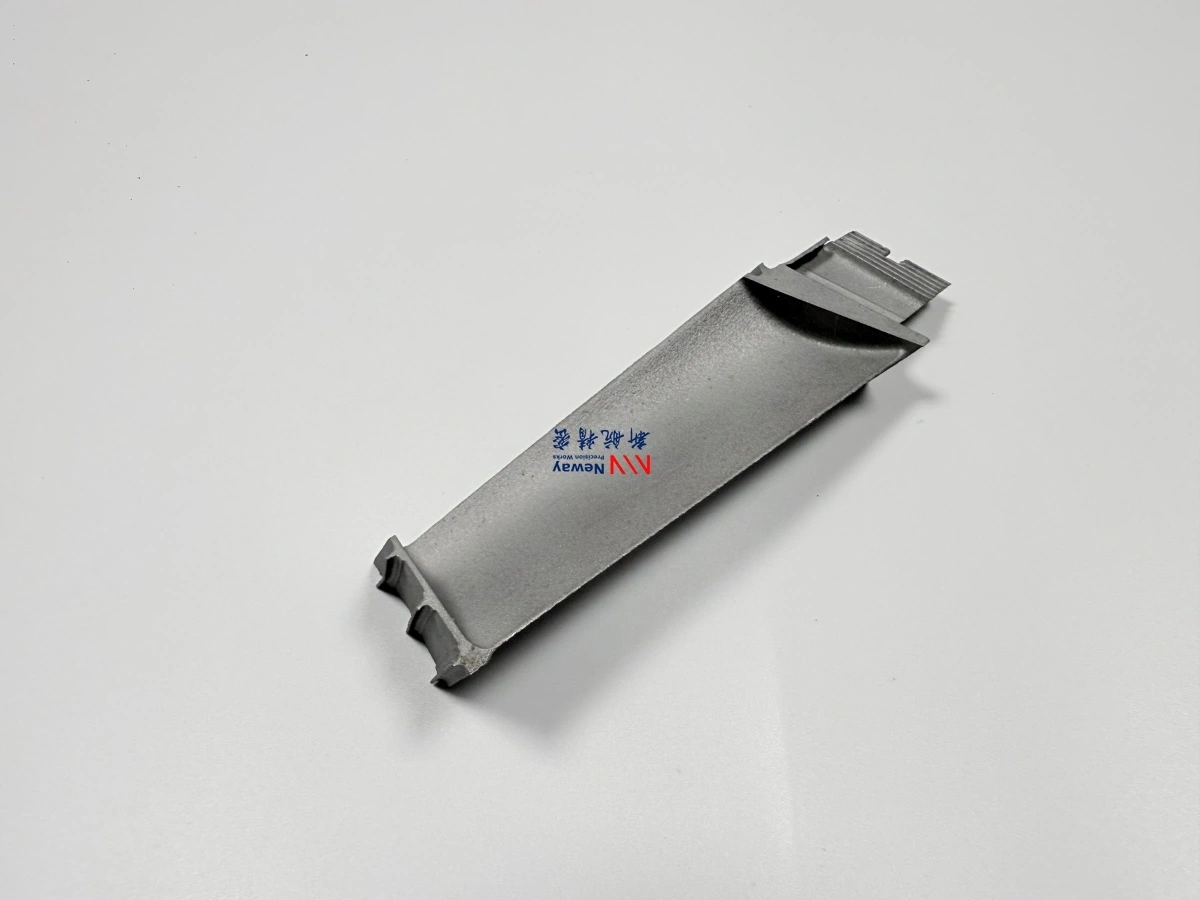
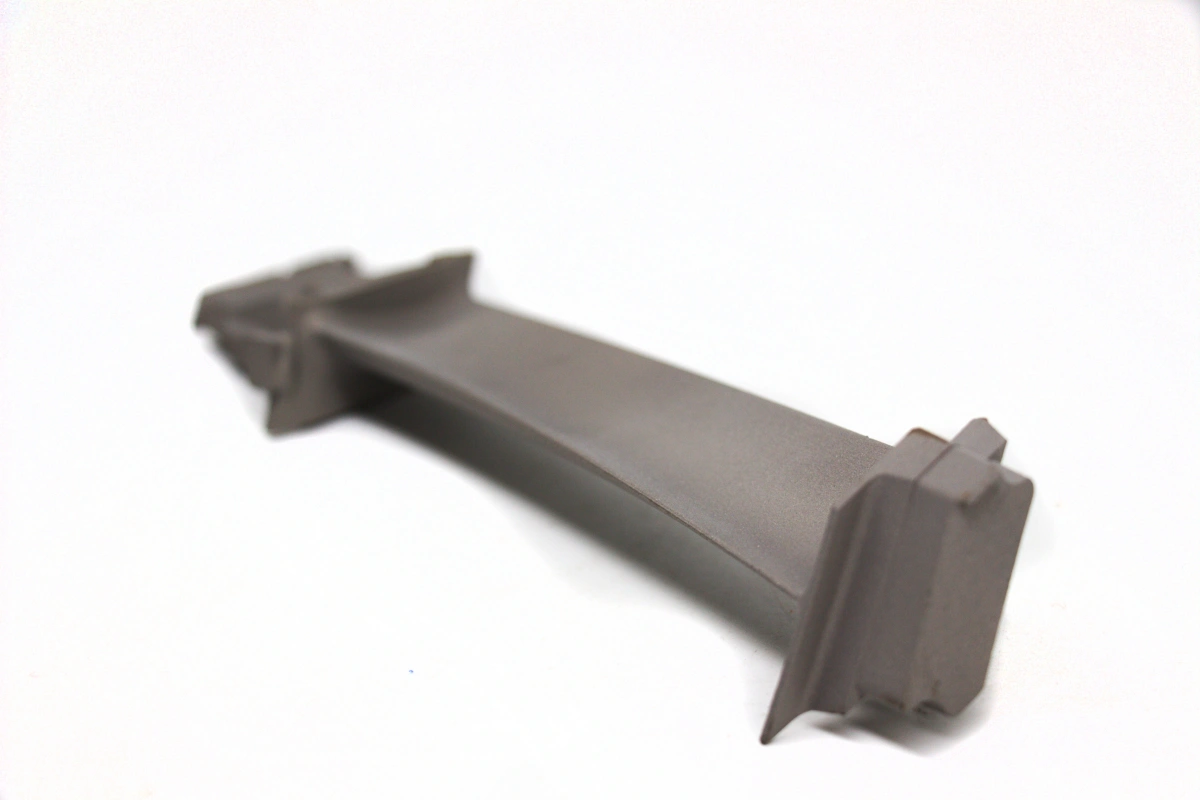
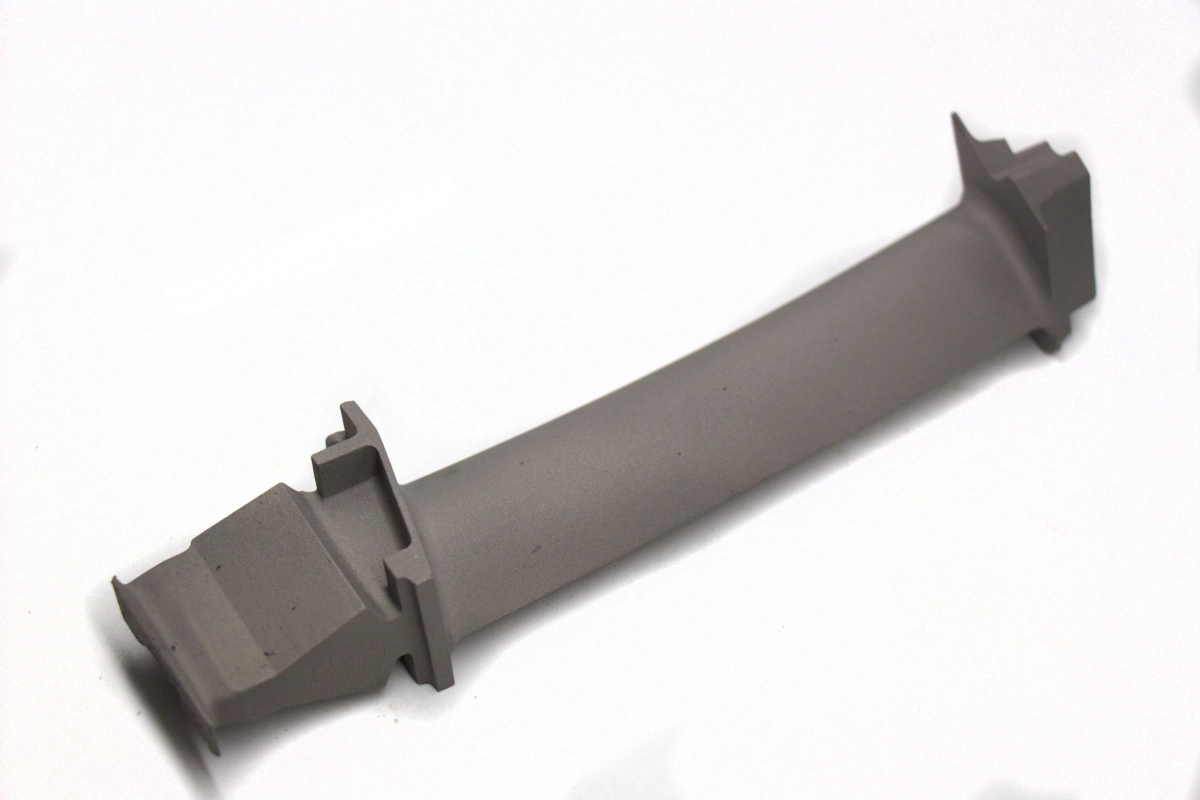
All high-temperature components, such as turbine blades, fuel nozzles, and combustor liners, undergo material testing and analysis using non-destructive techniques. These include X-ray and ultrasonic inspections to detect internal porosity, cracks, or segregation. Optical and scanning electron microscopy confirm the microstructural uniformity of alloys like Rene N5, CMSX-4, and Inconel 718. Additional chemical analysis ensures the elemental balance essential for consistent mechanical performance and oxidation resistance.
Mechanical and Thermal Performance Validation
Components are subjected to fatigue, tensile, and creep tests at elevated temperatures to simulate propulsion system conditions. Hot isostatic pressing (HIP) is employed to close internal voids and enhance fatigue resistance, while superalloy heat treatment optimizes phase distribution and grain boundary stability. Post-processing operations, such as thermal barrier coating (TBC) application, undergo adhesion and thermal cycling tests to verify long-term surface performance under combustion and exhaust temperatures exceeding 1100°C.
Precision Manufacturing and Dimensional Verification
During manufacturing, advanced superalloy precision forging and powder metallurgy processes for turbine discs ensure near-net-shape tolerances and consistent mechanical density. Components are finished via superalloy electrical discharge machining (EDM) and coordinate measuring machine (CMM) inspection to confirm dimensional precision. This meticulous approach is crucial for rotating assemblies in the aerospace and aviation, as well as power generation sectors, where even micron-level deviations can significantly impact performance efficiency.
Real-World Validation and Industry Compliance
Finally, real-environment testing validates components under high-temperature gas flow and mechanical loading cycles representative of flight and engine operations. Propulsion accessories designed for marine applications or energy turbines are tested for their resistance to corrosion, vibration, and erosion. All testing procedures conform to aerospace standards, including AMS, ASTM, and NADCAP, ensuring that each part meets or exceeds global industry benchmarks for reliability and safety.