What quality inspection methods ensure the reliability of superalloy tank assemblies?
Material Verification and Chemical Analysis
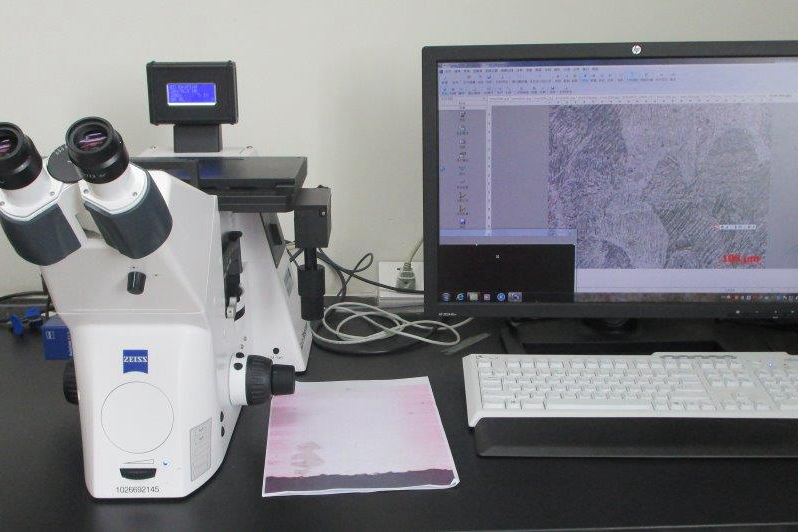
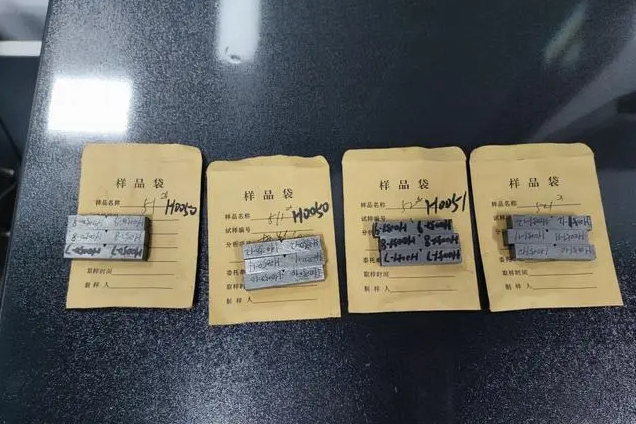
Reliability begins with validating the alloy composition used in tank assemblies. Advanced material testing and analysis confirms the chemical balance of nickel, cobalt, titanium, or chromium elements to ensure long-term fatigue resistance and environmental stability. Alloys such as Inconel 718 and Rene 142 are frequently evaluated for creep resistance, oxidation protection, and weldability in fuel-rich conditions.
Non-Destructive Evaluation and Defect Detection
To detect internal porosity, micro-cracking, or casting defects, aerospace-grade tank assemblies undergo X-ray analysis, ultrasonic testing, and dye-penetrant inspection. These techniques are routinely used after precision casting processes such as vacuum investment casting and are often followed by hot isostatic pressing (HIP) to eliminate hidden defects and improve fatigue life.
Pressure Cycling and Environmental Simulation
Tank modules must withstand extreme pressure variations and thermal fluctuations, particularly in aerospace and aviation applications. Pressure cycling, cryogenic exposure, and accelerated durability testing help assess performance under real mission conditions. Alloys treated through processes such as powder metallurgy or CNC machining are evaluated for resistance to creep deformation and thermal fatigue.
Dimensional Accuracy and Assembly Tolerance Validation
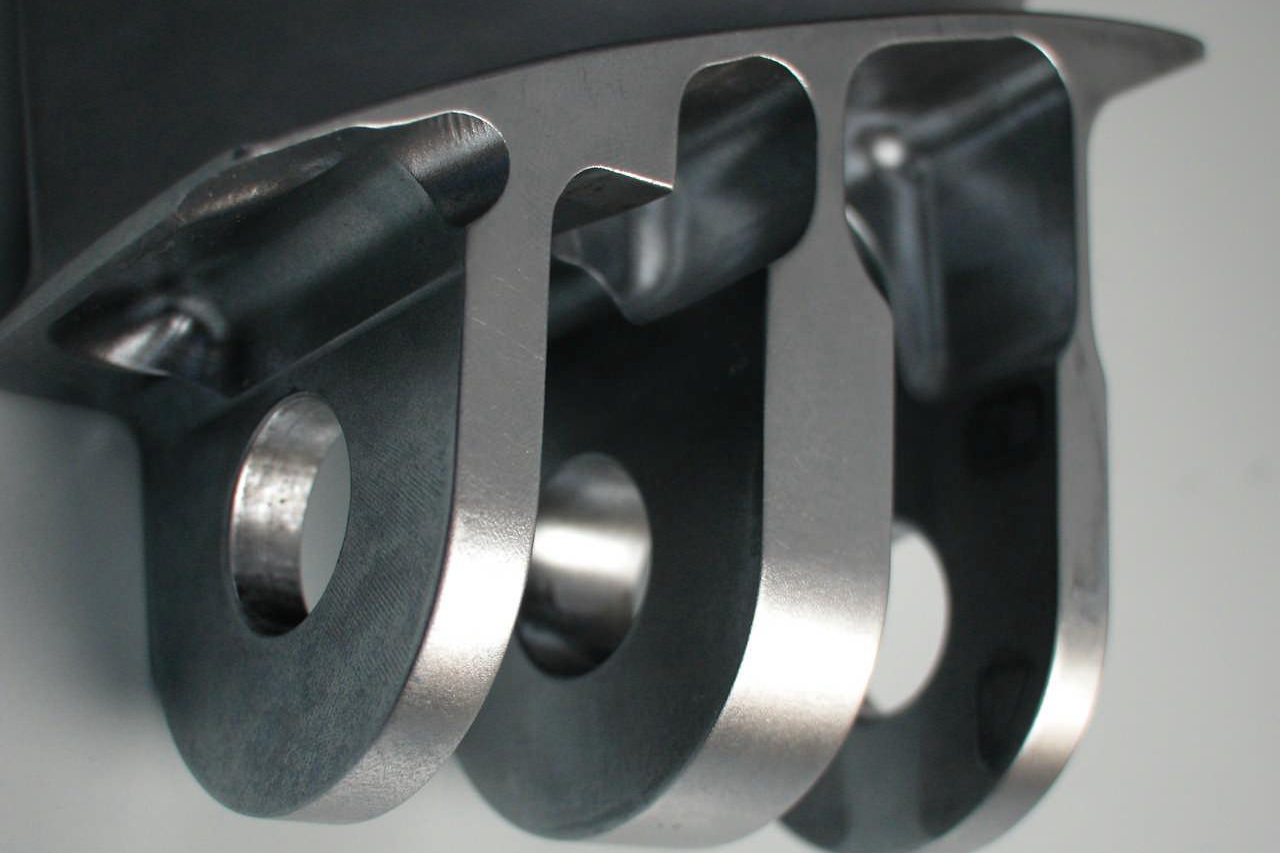
Precision fit and sealing performance are vital for fuel compatibility and gas tightness. Components that undergo superalloy cnc machining are inspected with coordinate measuring machines (CMM) and surface profilometry to confirm tolerances. Critical sealing zones may also be evaluated using non-contact scanning techniques to prevent leakage and ensure safe pressure containment.
Regulatory Qualification and Certification
Before being integrated into flight systems, tank assemblies must meet stringent aerospace reliability standards. Validation procedures include creep testing, fracture analysis, and metallurgical evaluation, all conducted in accordance with industry regulations. These qualification steps are similar to those applied to turbine blade manufacturing and supported by detailed traceability using material testing and analysis.