What quality controls ensure reliability of superalloy pump components?
Precision Alloy Verification and Material Testing
Reliability begins with strict material validation. Superalloys such as Inconel 718 and Monel K500 are tested for chemical consistency, grain structure, and thermal stability before production. Using advanced material testing and analysis, engineers evaluate corrosion resistance, creep behavior, and microstructural uniformity to ensure long service life in high-pressure and corrosive environments.
Manufacturing Quality and Defect Prevention
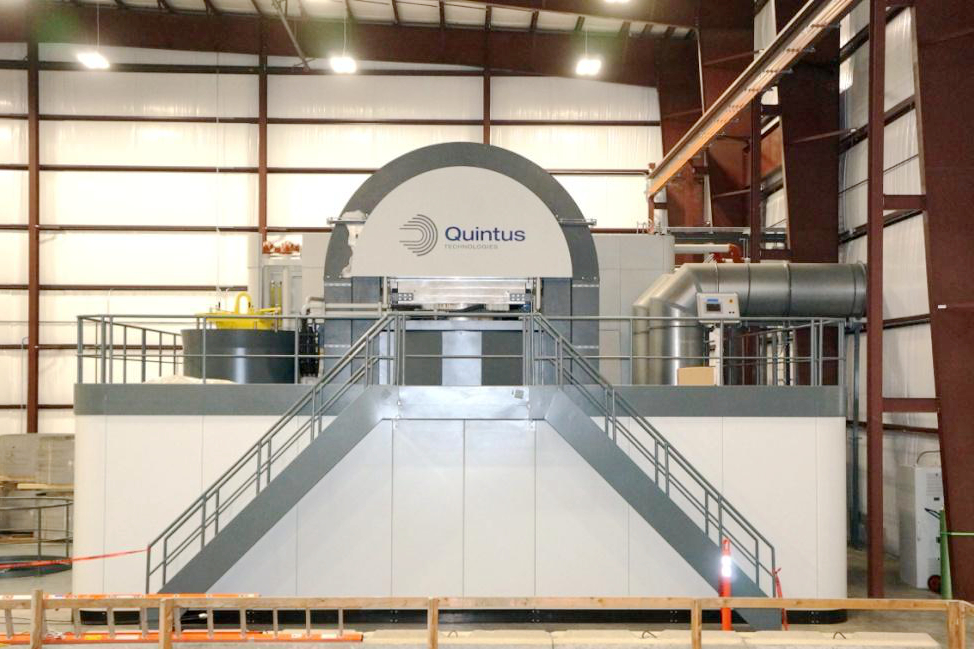
To maintain structural integrity, advanced processes such as vacuum investment casting and powder metallurgy are used to minimize segregation and porosity. Post-casting, hot isostatic pressing (HIP) is applied to eliminate internal voids and enhance fatigue strength—critical for impellers and pump housings exposed to cyclic loads and pressure variations.
Dimensional Accuracy and Machining Validation
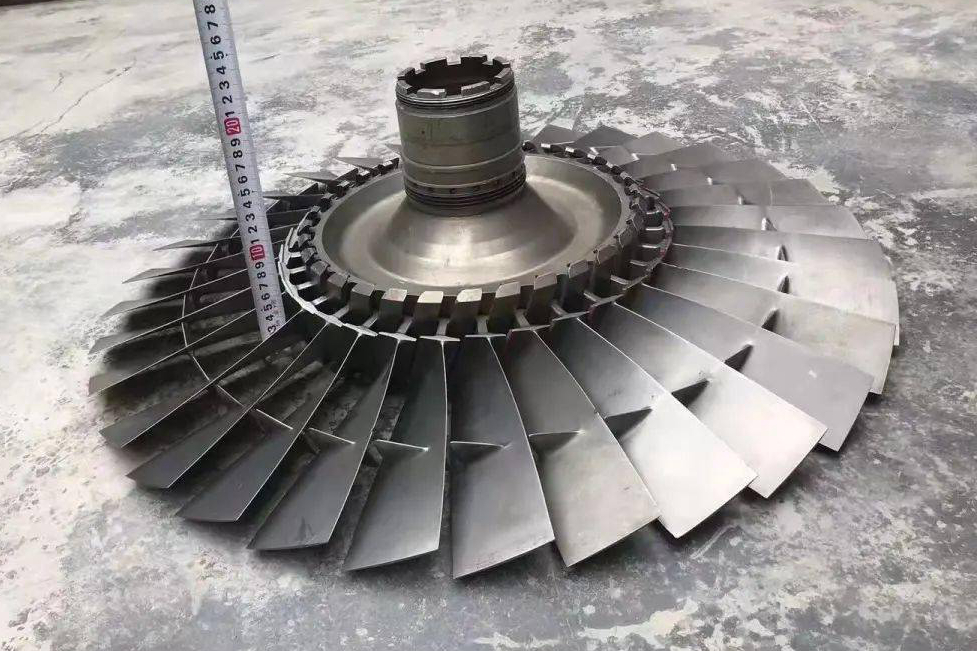
Precision tolerances are achieved through superalloy CNC machining, ensuring optimal hydraulic efficiency and sealing performance. Tool wear monitoring, thermal compensation, and strict tolerance control are implemented to maintain flow efficiency. For parts with internal channels or complex geometries, supplementary superalloy 3d printing may be used—but always followed by surface finishing and inspection to validate fluid behavior.
Functional Performance and Environmental Testing
Components must withstand vibration, temperature changes, and pressurized flow during operation. Performance verification involves pressure cycling, flow simulation, and fatigue testing. Industries such as oil and gas and chemical processing require corrosion testing under real media conditions. Quality assurance is supported by non-destructive evaluation, including ultrasonic inspection and radiographic verification, to confirm internal soundness.
Traceability and Industrial Compliance
To meet international standards, every pump component batch undergoes documentation, process monitoring, and microstructure certification. This ensures consistency across production runs and enables predictive maintenance planning. Applications in power-critical sectors such as power generation and offshore marine demand full lifecycle validation to guarantee safe and long-term performance.