How do heat treatments improve the performance of subsea valve components?
Microstructural Optimization for Strength and Stability
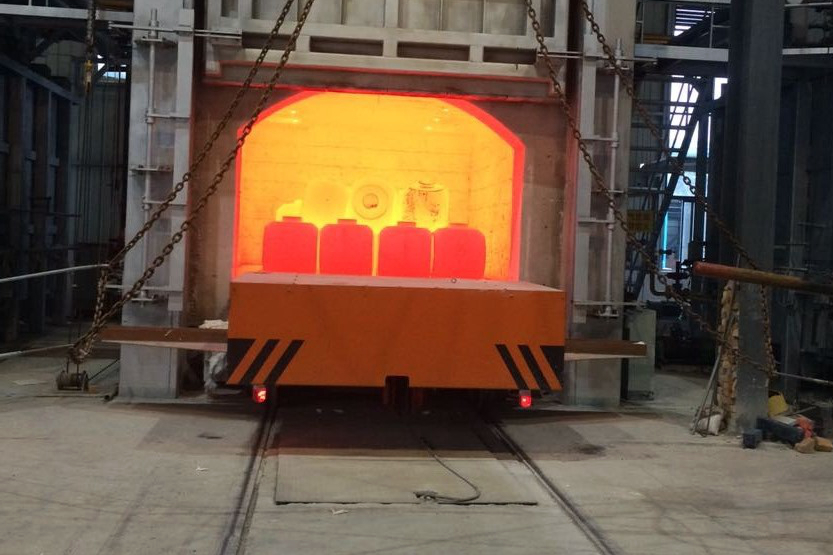
Heat treatment is crucial for enhancing the strength, toughness, and corrosion resistance of subsea valve components. It involves the controlled heating and cooling of superalloys to refine the grain size and optimize the precipitation of strengthening phases, such as γ′ (gamma prime) and γ″ (gamma double prime). This microstructural control enhances the material’s ability to resist deformation under high-pressure, high-temperature subsea conditions.
For alloys like Inconel 718, Hastelloy C-22, and Rene 77, heat treatment processes such as solution annealing and age hardening develop superior tensile and fatigue strength. This ensures that valve bodies, stems, and actuators maintain their shape and mechanical stability even under cyclic loading in deepwater service.
Enhanced Corrosion and Oxidation Resistance
The subsea environment exposes valve materials to seawater, brine, and aggressive chemical species that can cause pitting and crevice corrosion. Heat treatment promotes the formation of stable, protective oxide layers on nickel- and cobalt-based superalloys. When applied to Stellite 6 or Monel K500, it enhances the alloy’s passive film stability, reducing susceptibility to chloride attack.
For components requiring additional protection, subsequent thermal barrier coating (TBC) and hot isostatic pressing (HIP) further improve corrosion and fatigue resistance, ensuring longer operational life in subsea control systems and manifold valves.
Improved Machinability and Dimensional Control
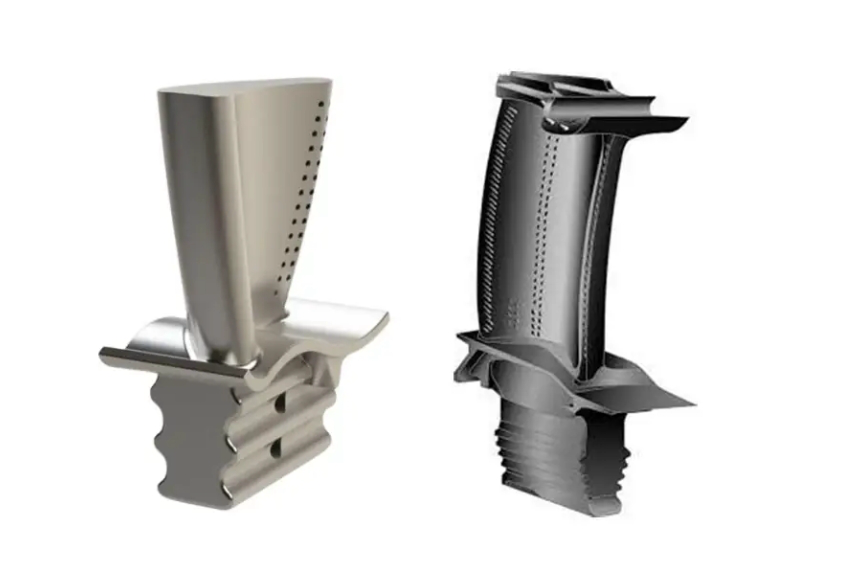
Heat treatment processes are carefully sequenced with superalloy CNC machining and electrical discharge machining (EDM) to relieve internal stresses introduced during casting or forging. This minimizes warping and dimensional drift during machining, enabling high-precision finishing of sealing faces, threads, and actuator interfaces. The combination of vacuum investment casting followed by heat treatment ensures tight dimensional tolerances without compromising microstructural integrity.
Fatigue and Creep Life Enhancement
Deepwater valves undergo long-term pressure cycles and elevated temperatures, which induce fatigue and creep deformation. Properly heat-treated alloys such as Hastelloy C-276, Inconel 625, and Nimonic 90 exhibit stable microstructures that resist grain coarsening and creep void formation. This is critical for extending service intervals and reducing unplanned downtime in subsea operations where maintenance access is limited.
Industrial Applications and Reliability
Heat-treated subsea valve components are extensively used in oil and gas, marine, and energy sectors. By combining heat treatment with advanced post-processes such as HIP and TBC, manufacturers achieve a balance of hardness, corrosion resistance, and ductility that supports long-term reliability. Each component undergoes metallurgical verification through superalloy material testing and analysis to ensure compliance with API 6A and NACE MR0175 standards for subsea applications.
Through precise thermal cycles, heat treatment transforms cast or forged superalloys into high-performance materials that can endure decades of operation in corrosive, high-pressure subsea environments.