Which Superalloys Benefit Most from Deep Hole Drilling for Defect Reduction?
Single Crystal and Directionally Solidified Alloys
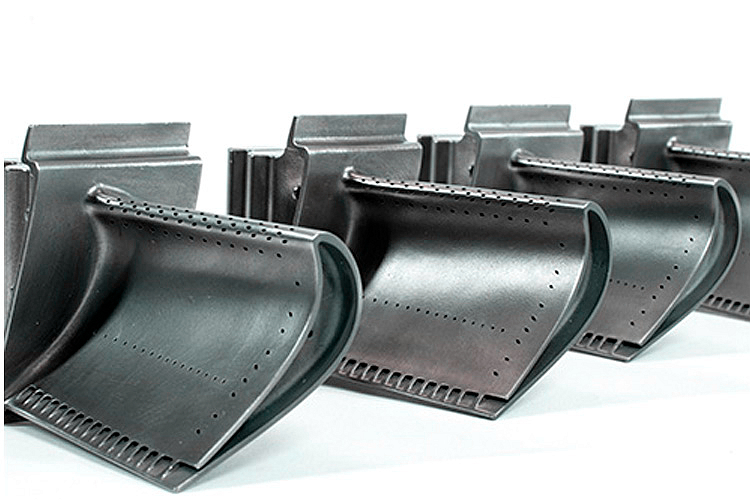
Advanced single crystal superalloys such as CMSX-4 and Rene N5 benefit most significantly from deep hole drilling. These materials are exclusively used in the most thermally demanding applications like first-stage turbine blades, where internal cooling channels are essential for survival. The process allows for the creation of precise, complex cooling passages that help mitigate the inherent temperature limitations of these high-performance alloys, effectively reducing the risk of thermal fatigue defects and burn-through failures.
Equiaxed Casting Superalloys for Complex Components
Conventional equiaxed crystal casting alloys including various Inconel grades such as Inconel 718 and Inconel 738 see substantial benefits from deep hole drilling. These alloys are widely used in turbine vanes, casings, and structural components where cooling requirements are critical but less extreme than first-stage blades. Deep hole drilling enables the creation of efficient cooling circuits that prevent overheating defects while maintaining the structural integrity of these complex components.
Powder Metallurgy Superalloys for Critical Rotating Parts
Advanced powder metallurgy superalloys like FGH96 and FGH97 used in turbine discs benefit from specialized deep hole drilling applications. While turbine discs themselves may not require extensive cooling channels, deep hole drilling is crucial for creating balancing holes, instrumentation ports, and cooling air passages that ensure even thermal distribution and prevent localized overheating defects that could lead to disc failure.
Integration with Post-Processing Treatments
The defect reduction benefits of deep hole drilling are maximized when integrated with subsequent post-processing. Following drilling, components typically undergo HIP treatment to eliminate any micro-voids or damage introduced during the drilling process, followed by precise heat treatment to restore optimal mechanical properties. This comprehensive approach ensures that the cooling channels enhance component longevity without introducing new failure mechanisms.