How does CNC machining benefit prototyping for tank assemblies?
Rapid Iteration and Precision Control
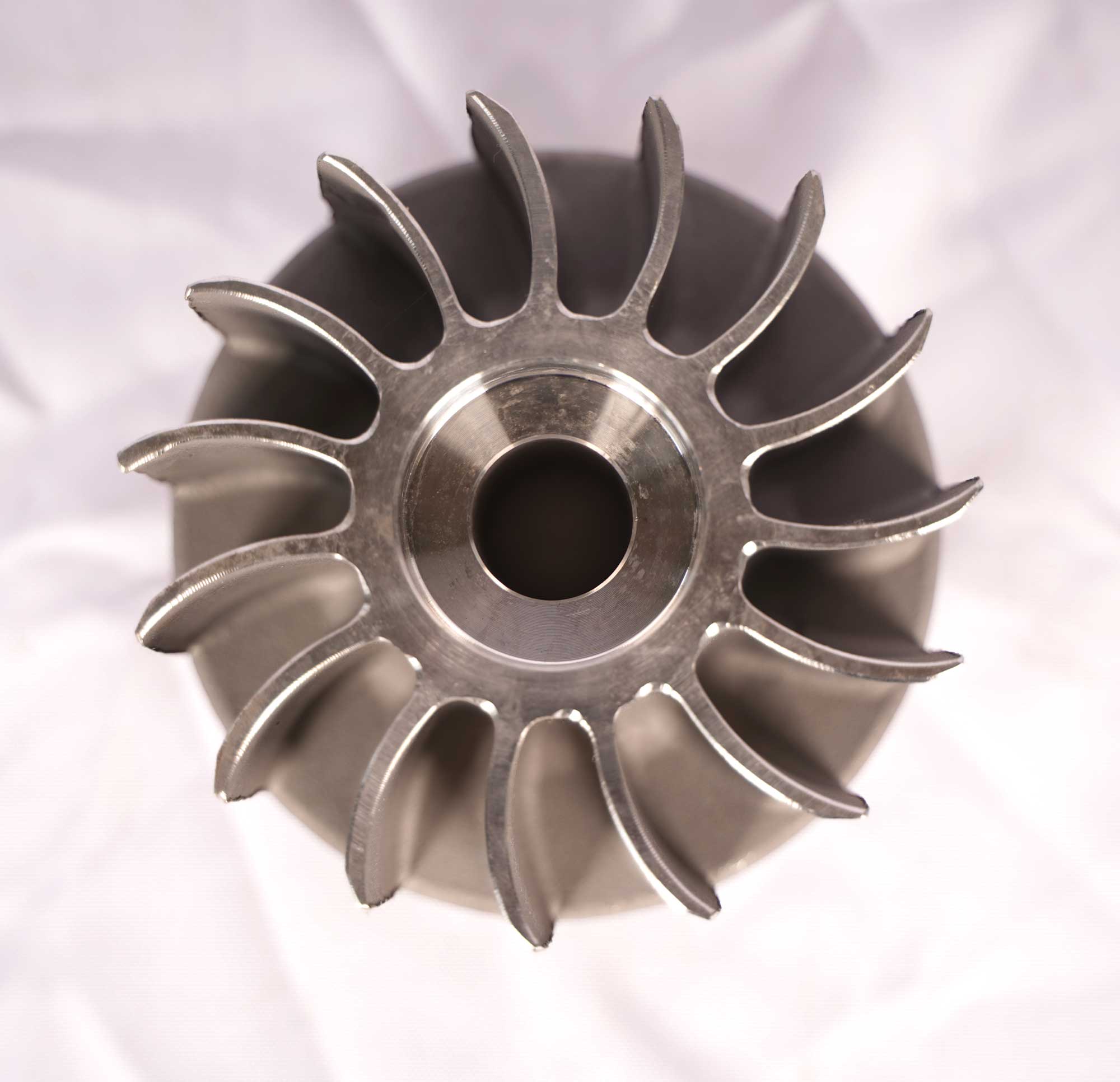
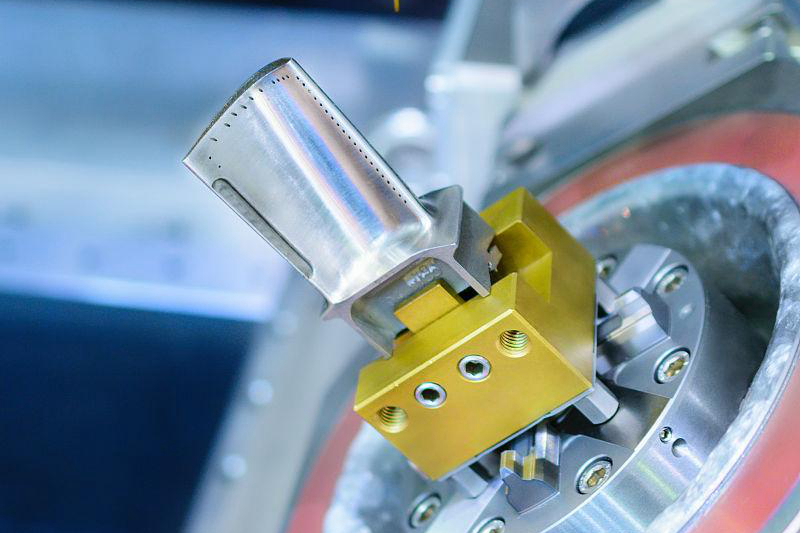
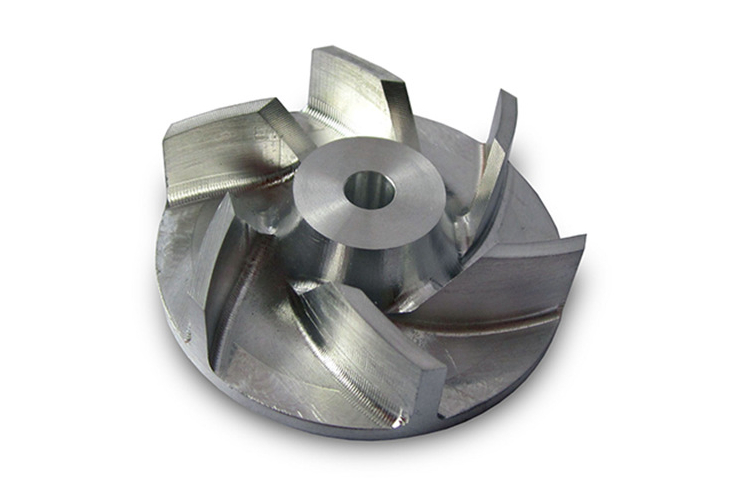
Prototyping tank assemblies for aerospace demands accurate validation of geometry, flow behavior, and sealing performance. CNC machining enables rapid modification of designs while maintaining strict dimensional tolerances. Engineers can adjust structural features and quickly test assembly interfaces without costly tooling changes, significantly reducing development time.
Material Flexibility for Performance Evaluation
CNC machining supports a wide spectrum of high-performance alloys, allowing comparative testing of multiple compositions. For strength and fuel compatibility studies, alloys such as Inconel 792 and lightweight options like Ti-6Al-4V (TC4) can be machined to simulate tank wall thickness, bracket interfaces, and fuel channel layouts. This flexibility enables performance benchmarking before moving into casting or additive manufacturing routes.
Supporting Thermal and Pressure Testing
Prototypes produced via CNC machining allow direct testing of sealing areas, stress zones, and pressure-bearing features. Trials under cryogenic exposure and thermal cycling—common in aerospace and aviation environments—can be performed without committing to full production tooling. Dimensional repeatability ensures consistency across test cycles, providing reliable data for design improvements.
Integration with Post-Processing
CNC-machined prototypes can be combined with hot isostatic pressing (HIP) and finishing operations to replicate final structural conditions. This integration allows engineers to validate weldability, coating adhesion, and fuel compatibility prior to production-scale manufacturing. When combined with non-destructive inspection, CNC machining supports early verification of aerospace certification demands.