How does CNC machining benefit prototyping for cooking equipment modules?
Rapid Production and Design Iteration
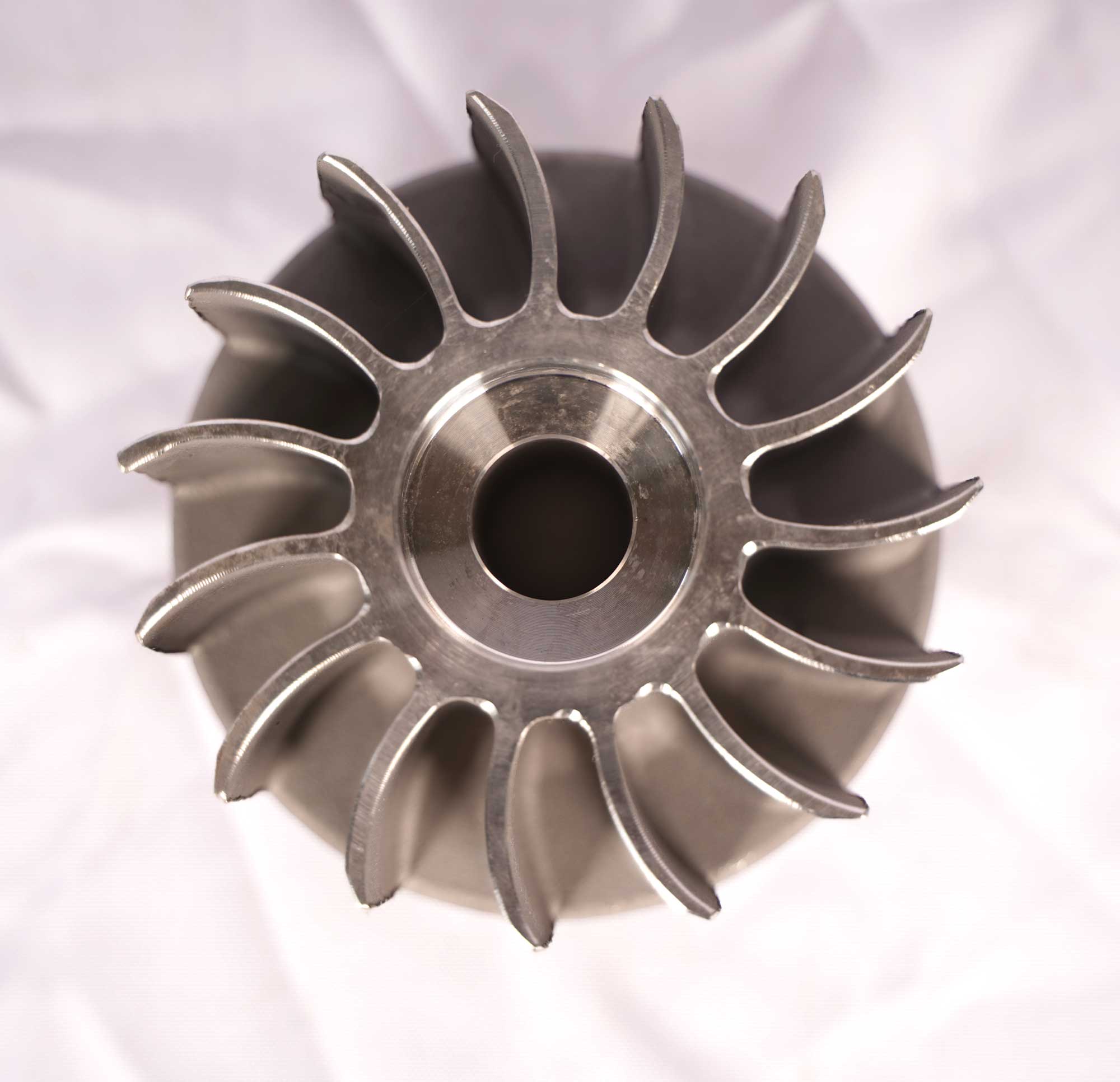
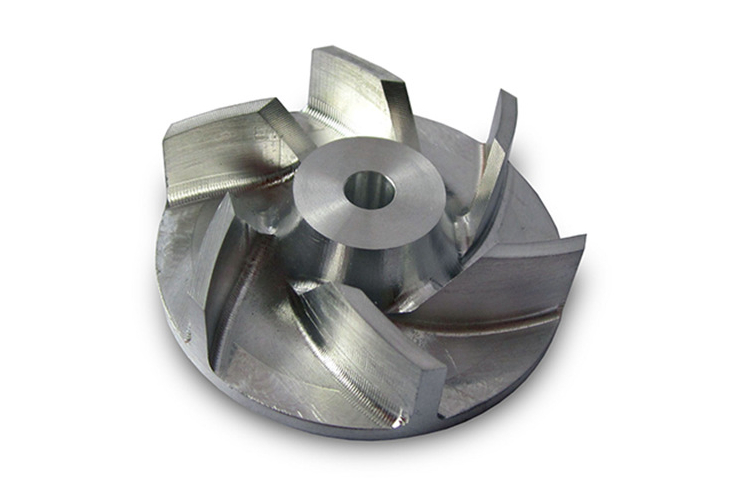
During the prototype development of cooking equipment modules, CNC machining enables a fast turnaround and dimensional accuracy, allowing engineers to quickly modify geometry and validate ergonomics, heat flow, and assembly interfaces. This flexibility is crucial for burner housings, steam channels, or control brackets, where multiple revisions are common before final approval.
Material Flexibility: From Steel to Superalloy
CNC machining accommodates a wide range of food-grade and high-temperature materials, from stainless steels to advanced superalloys. For modules that must endure high-intensity heat zones, alloys such as Inconel 617 or CMSX-3 can be trialed with precise machining tolerances. This material versatility allows prototype parts to be validated for heat resistance, cleaning durability, and structural stiffness before mass production.
Integration with Additive Manufacturing and Casting
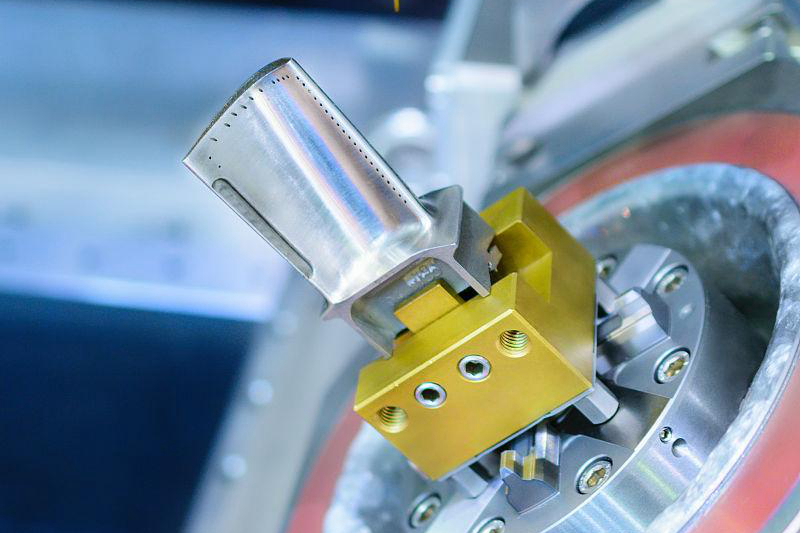
CNC machining plays a critical role in refining near-net-shape components made via superalloy 3d printing or vacuum investment casting. Secondary machining ensures smooth sealing surfaces, improved assembly precision, and food-contact safety. Post-printing accuracy can also be enhanced through hot isostatic pressing (HIP) followed by CNC finishing for structural reliability.
Cost Efficiency for Functional Testing
Rather than developing full-scale tooling, CNC prototyping allows manufacturers to create functional mock-ups for airflow simulation, burner positioning, and user interface testing. For heat-intensive or corrosive environments like those found in pharmaceutical and food processing systems, prototype modules can undergo thermal cycling and cleaning assessments without committing to expensive die fabrication.
Precision Fit and Safety Validation
Tight tolerances are essential for reliable sealing, gas flow control, and hygiene compliance. CNC machining ensures precise dimensional control for components such as valve housings and burner plates. Final verification often includes non-destructive inspection and stress analysis similar to standards used in power generation modules, validating safety before moving into production tooling.