How Does SLM Compare to Traditional Methods for Inconel 718 Manufacturing?
Design Freedom and Geometric Complexity
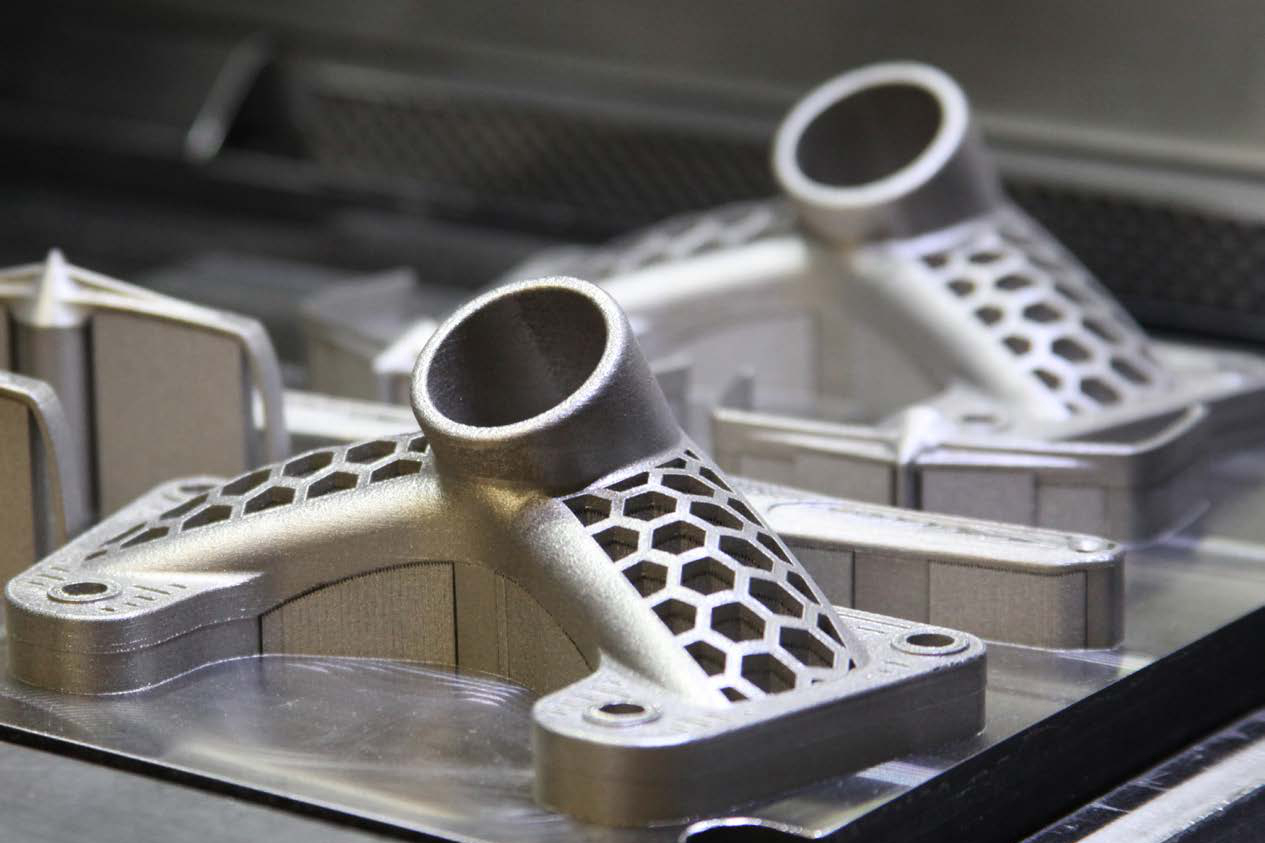
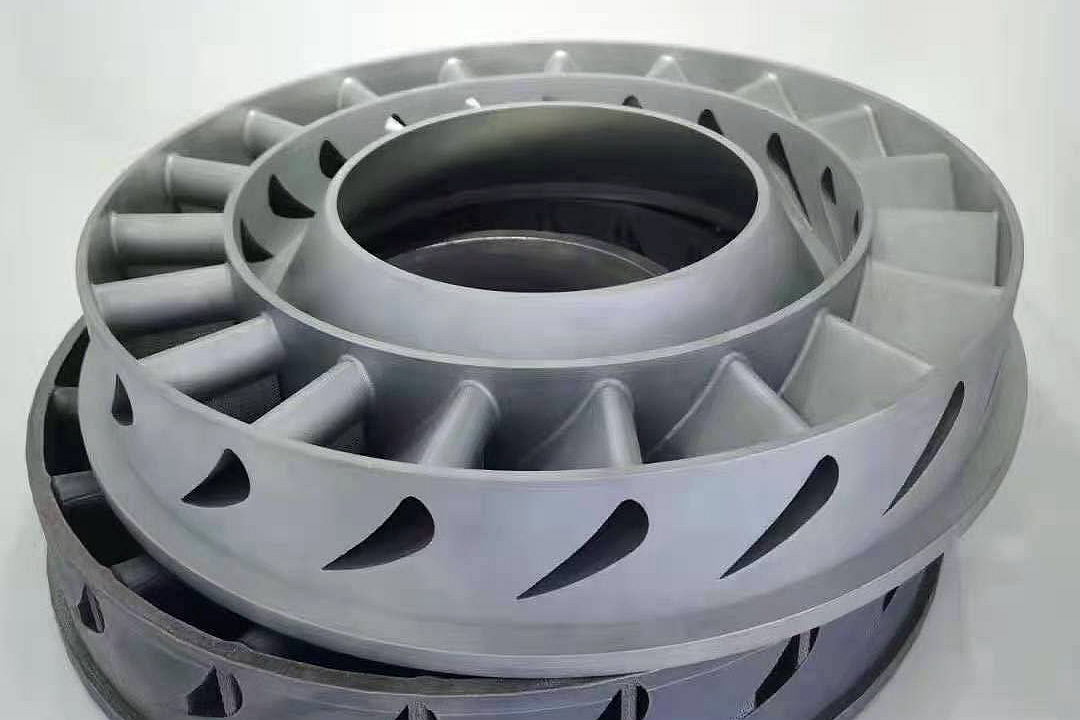
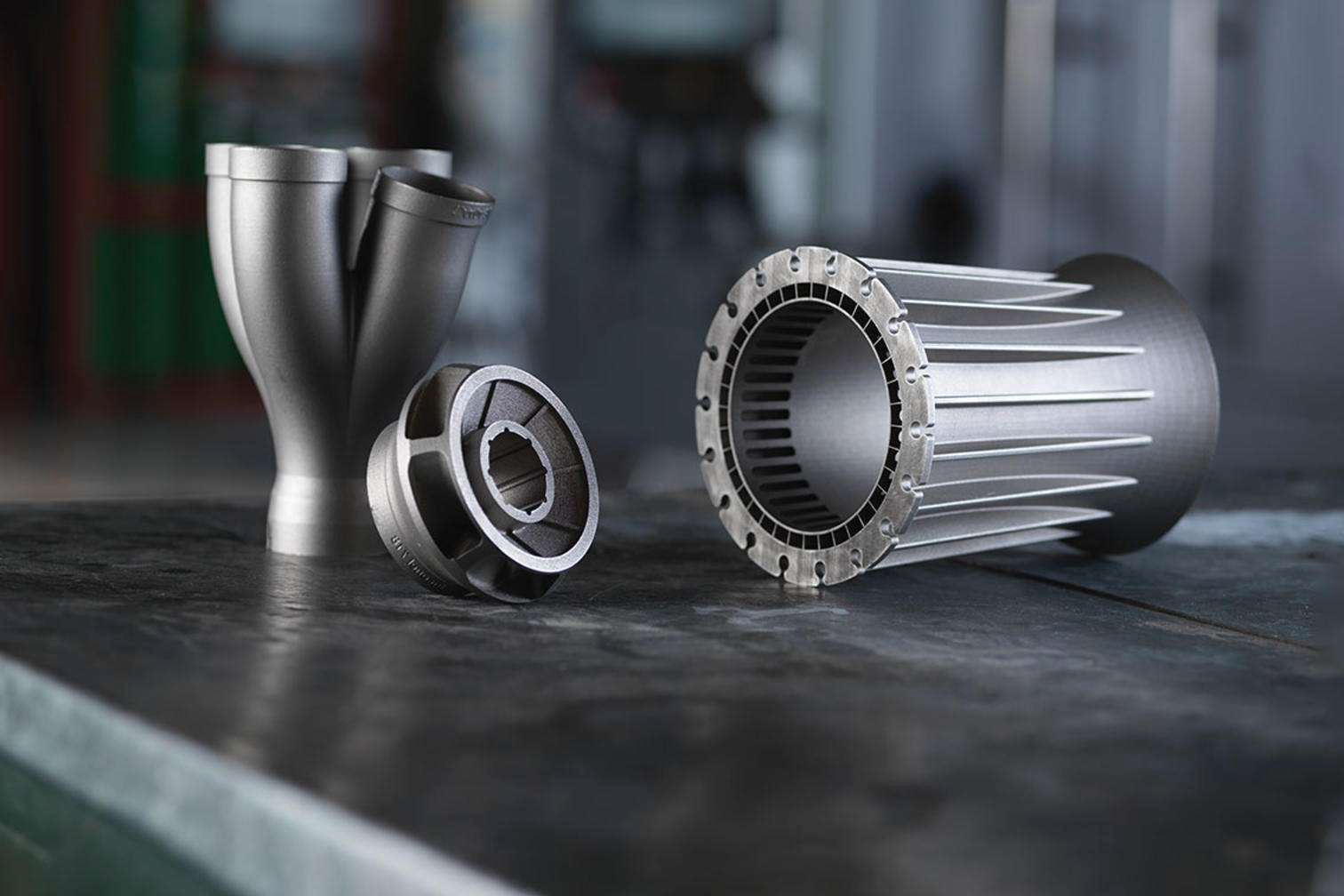
Selective Laser Melting (SLM) fundamentally surpasses traditional methods like forging or investment casting in geometric freedom. SLM can produce internal cooling channels, lattice structures, and highly complex, topology-optimized geometries that are impossible to achieve with conventional techniques. This is transformative for aerospace components like fuel nozzles and turbine blades, where integrated conformal cooling passages drastically improve thermal management and efficiency. Traditional methods are limited by tooling and mold constraints, often requiring multiple parts to be manufactured and assembled.
Mechanical Properties and Microstructure
The mechanical performance of SLM-produced Inconel 718 differs significantly from its wrought or cast counterparts. The rapid solidification in SLM results in a fine, directional microstructure that typically yields higher tensile and yield strength in the as-built state compared to cast material. However, this comes with anisotropic properties and the presence of residual stresses. To achieve isotropy and maximize ductility and fatigue life, post-processes like Hot Isostatic Pressing (HIP) and a specific heat treatment are mandatory to dissolve brittle phases and precipitate the strengthening γ' and γ'' particles uniformly.
Production Efficiency and Material Usage
SLM offers superior material utilization, building parts layer-by-layer from powder and generating minimal waste, unlike subtractive CNC machining from a solid billet which can lead to buy-to-fly ratios as high as 20:1. For prototyping and low-to-medium volume production of complex parts, SLM provides a much faster time-to-market by eliminating the need for expensive and time-consuming tooling or molds. However, for high-volume production of simpler shapes, traditional methods like forging remain more cost-effective and faster due to higher throughput.
Economic and Application Considerations
The choice between SLM and traditional methods is application-driven. SLM is economically superior for high-value, complex, and low-volume components in industries like aerospace and oil & gas, where performance and weight savings justify the higher per-part cost and longer build times. Conversely, for large, simple components or high-volume orders, traditional casting or forging followed by CNC machining is more practical and economical. The integrity of SLM parts must be validated with rigorous material testing to ensure they meet the stringent standards required for critical applications.