Can you prototype superalloy firearm accessories using 3D printing technology?
Direct Application of Superalloy 3D Printing
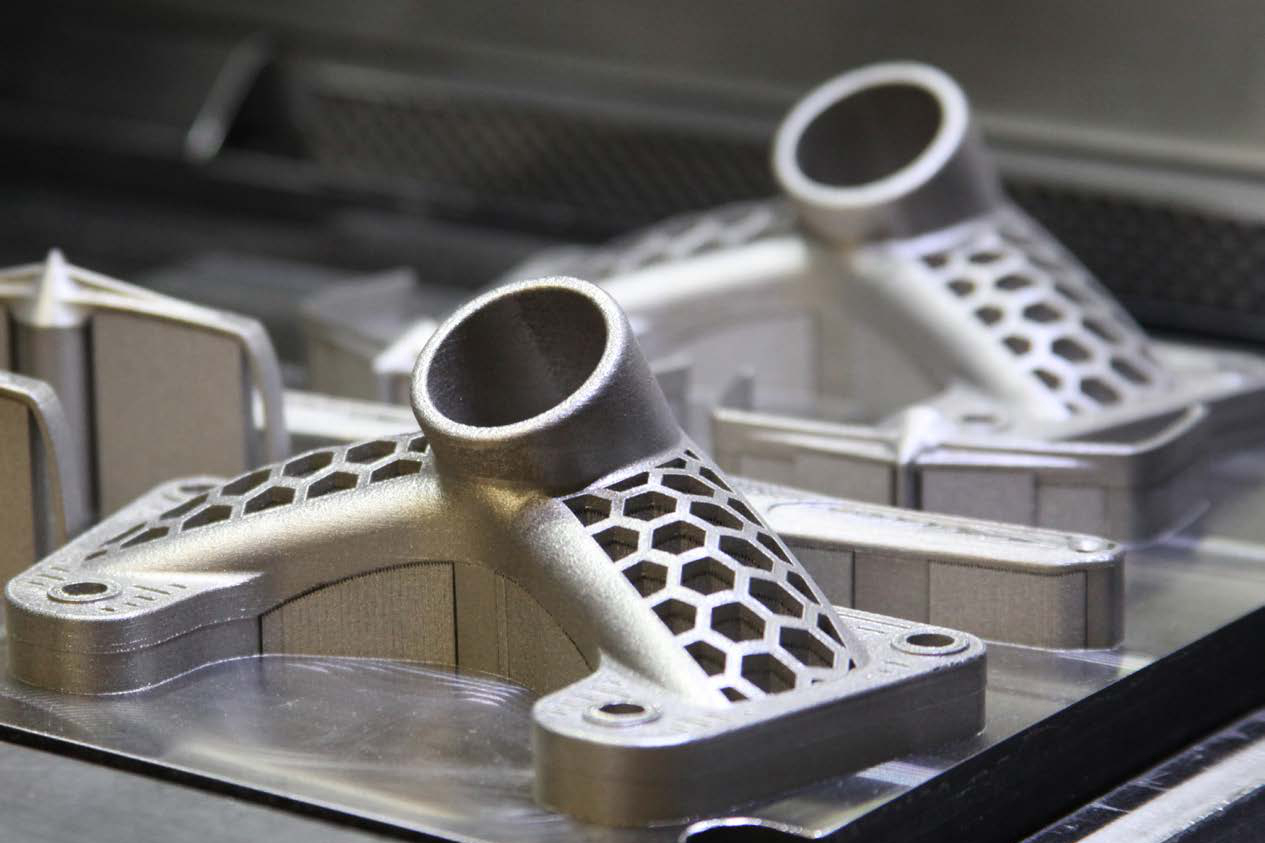
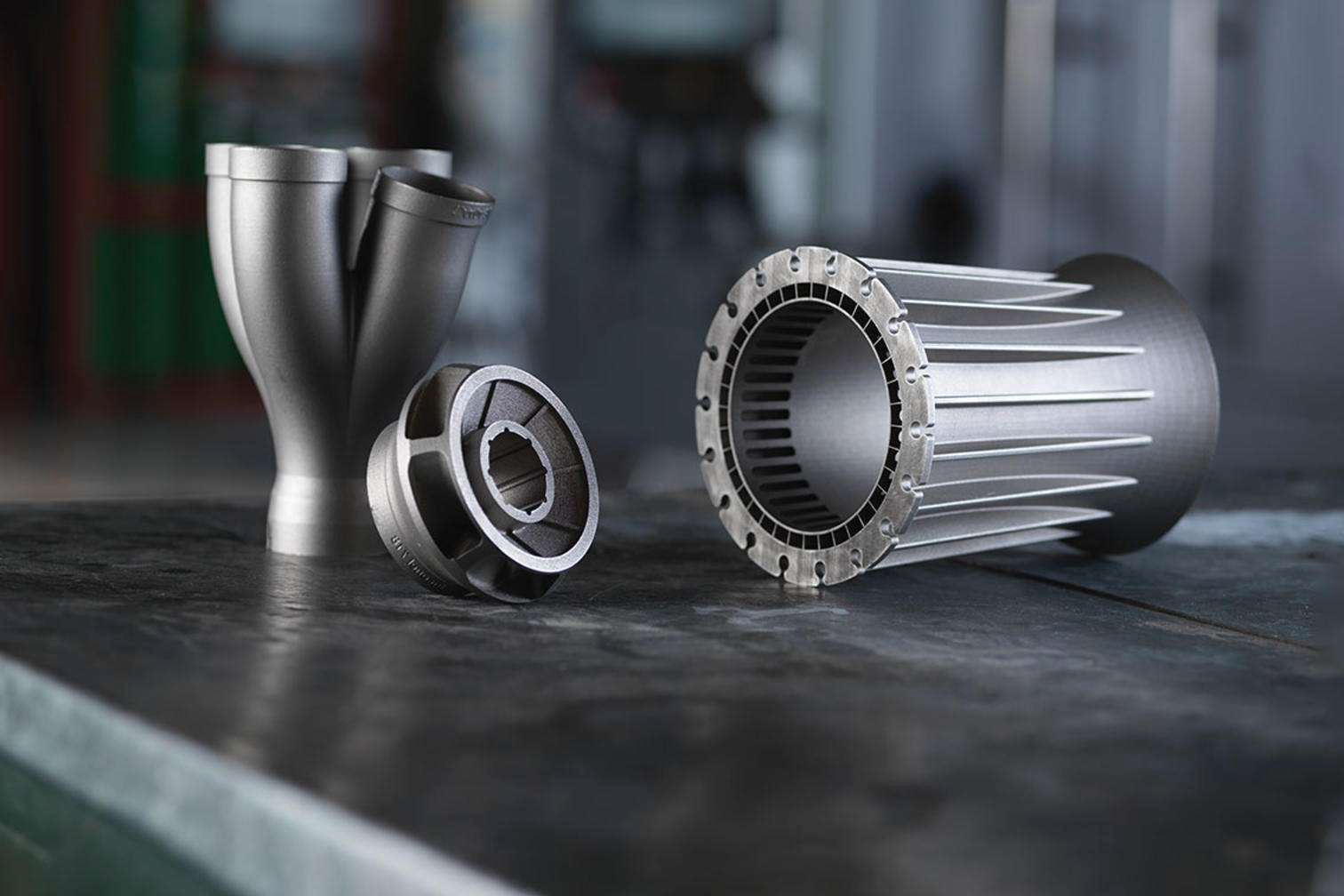
Yes, we can directly prototype superalloy firearm accessories using advanced superalloy 3D printing technology. This additive manufacturing process, particularly Laser Powder Bed Fusion (LPBF), enables the production of complex, high-strength components from fine metal powders. For prototyping, this allows for the rapid iteration of designs for accessories such as suppressors, heat sinks, gas blocks, or specialized mounting brackets that would be difficult or costly to machine from solid billet.
Material Properties and Selection
The key advantage is the ability to use high-performance materials like Inconel 718 or Hastelloy X directly in the prototyping phase. These superalloys offer exceptional strength-to-weight ratios and retain their mechanical properties at the high temperatures generated by rapid firing. This means a functional prototype can be tested under near-actual service conditions, providing vastly more valuable data than a non-functional model made from a substitute material.
Critical Post-Processing for Performance
As-printed parts require specific post-processing to achieve their full mechanical potential and dimensional accuracy. This typically includes Hot Isostatic Pressing (HIP) to eliminate internal porosity and improve fatigue life, followed by precise heat treatment to achieve the desired microstructure and material properties. Critical interfaces and threads are then finished using CNC machining to ensure proper fit, function, and safety.
Design Complexity and Iterative Advantage
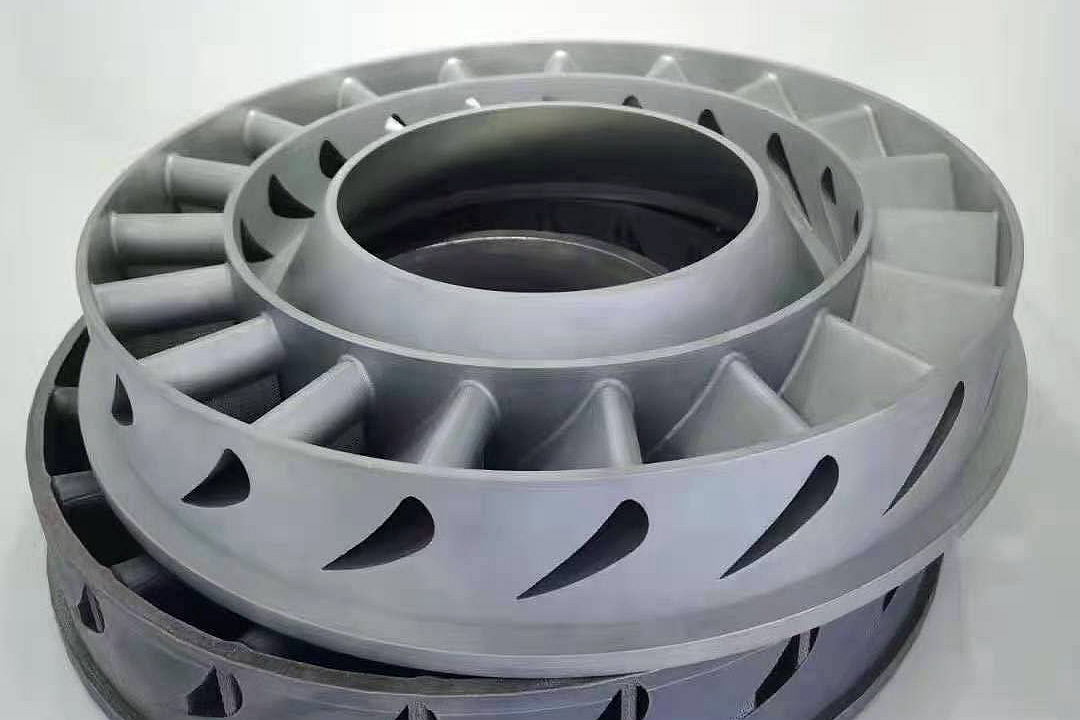
The primary benefit for prototyping is unparalleled design freedom. 3D printing enables the integration of complex internal cooling channels, lightweight lattice structures, and topology-optimized forms, which reduce weight without compromising strength. This enables rapid design iterations—a new version can be printed and tested in days rather than the weeks required for traditional machining, accelerating the development cycle for high-performance military and defense accessories.