Why is Hot Isostatic Pressing Essential for Single Crystal Turbine Blade Processing?
Non-Negotiable Elimination of Casting Defects
Hot Isostatic Pressing (HIP) is essential because it is the only commercially viable process that can reliably eliminate the internal microporosity inherent to the single crystal casting process. Despite the precise control of vacuum investment casting, shrinkage and gas pores inevitably form within the intricate structure of a turbine blade. These microscopic voids are fatal flaws under extreme operating conditions. HIP applies high temperature and uniform isostatic pressure to plastically deform and diffusion-bond these pores shut, creating a fully dense, homogeneous material. This foundational step is non-negotiable for achieving the structural integrity required in aerospace and aviation engines.
Critical Enhancement of Fatigue and Fracture Resistance
For single crystal blades, HIP is indispensable for achieving the designed fatigue and fracture toughness. The single crystal structure eliminates grain boundaries, but pores act as even more potent stress concentrators and crack initiation sites. Under the high-frequency vibratory stresses (HCF) and severe thermal cycles of a gas turbine, these pores can rapidly propagate cracks. By removing these initiation points, HIP directly and dramatically extends the blade's safe operational life. It ensures the superior creep strength of the single crystal alloy, such as CMSX-4, is not compromised by brittle failure originating from internal defects.
Synergy with Heat Treatment and Coating Processes
HIP is not a standalone step but a critical link in the process chain that enables other treatments to be fully effective. The HIP cycle temperature is often integrated with the solution heat treatment, allowing densification and microstructural homogenization to occur simultaneously. A pore-free structure ensures uniform diffusion of alloying elements and a consistent precipitation of strengthening γ' phases during aging. Furthermore, a dense substrate is mandatory for the successful application and adhesion of Thermal Barrier Coatings (TBC), as subsurface voids can cause coating spallation under thermal cycling.
Enabler for Complex Cooling Geometries and Design Margins
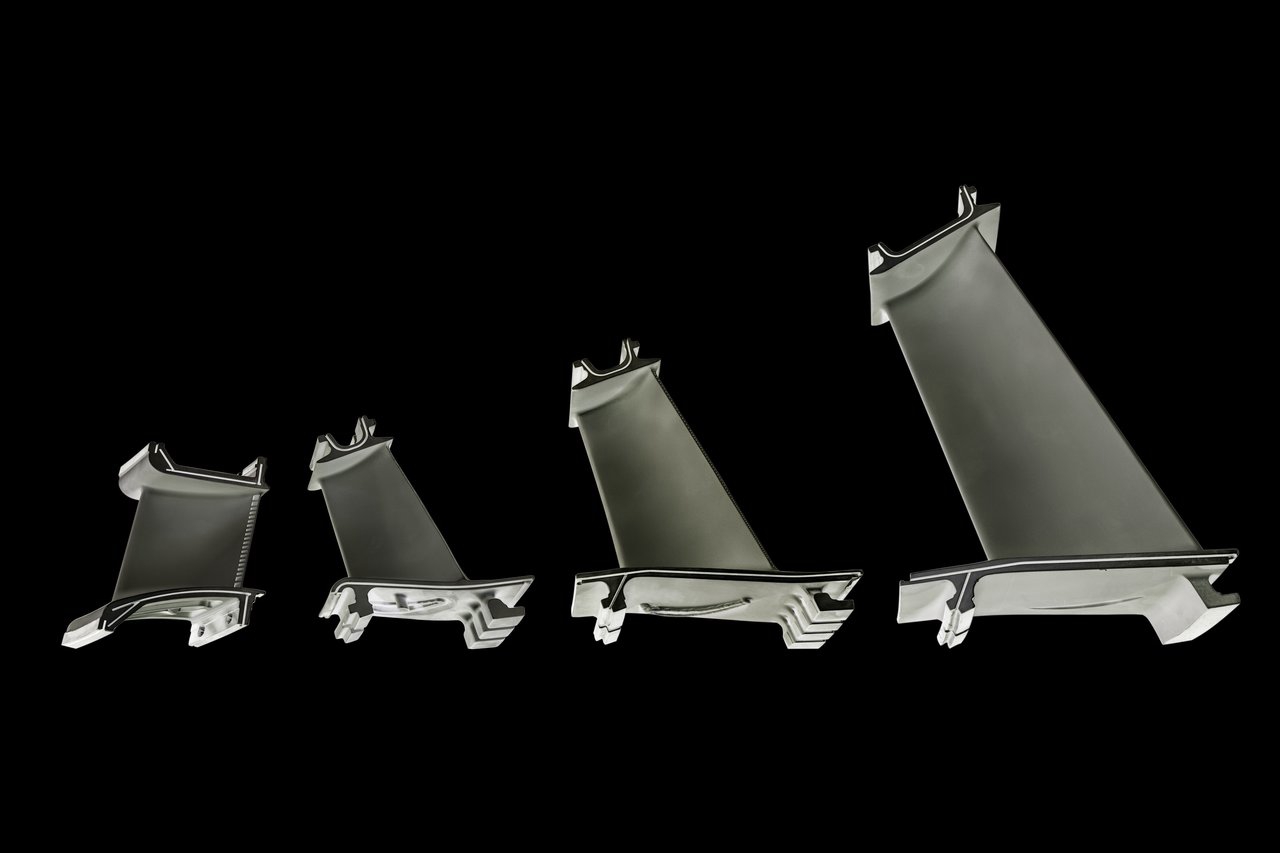
The advanced internal cooling channels that allow modern turbine blades to operate above the melting point of the alloy themselves are potential sources of defect formation due to complex ceramic cores. HIP ensures these thin walls and intricate passages are fully densified, preventing leakage or weak points. This reliability allows engineers to push design margins, enabling higher engine operating temperatures and efficiencies for applications in power generation and propulsion. It is a key factor in the performance guarantees for partners like GE.