What Superalloys are Commonly Used in Single Crystal Casting?
Nickel-Based Single Crystal Superalloys
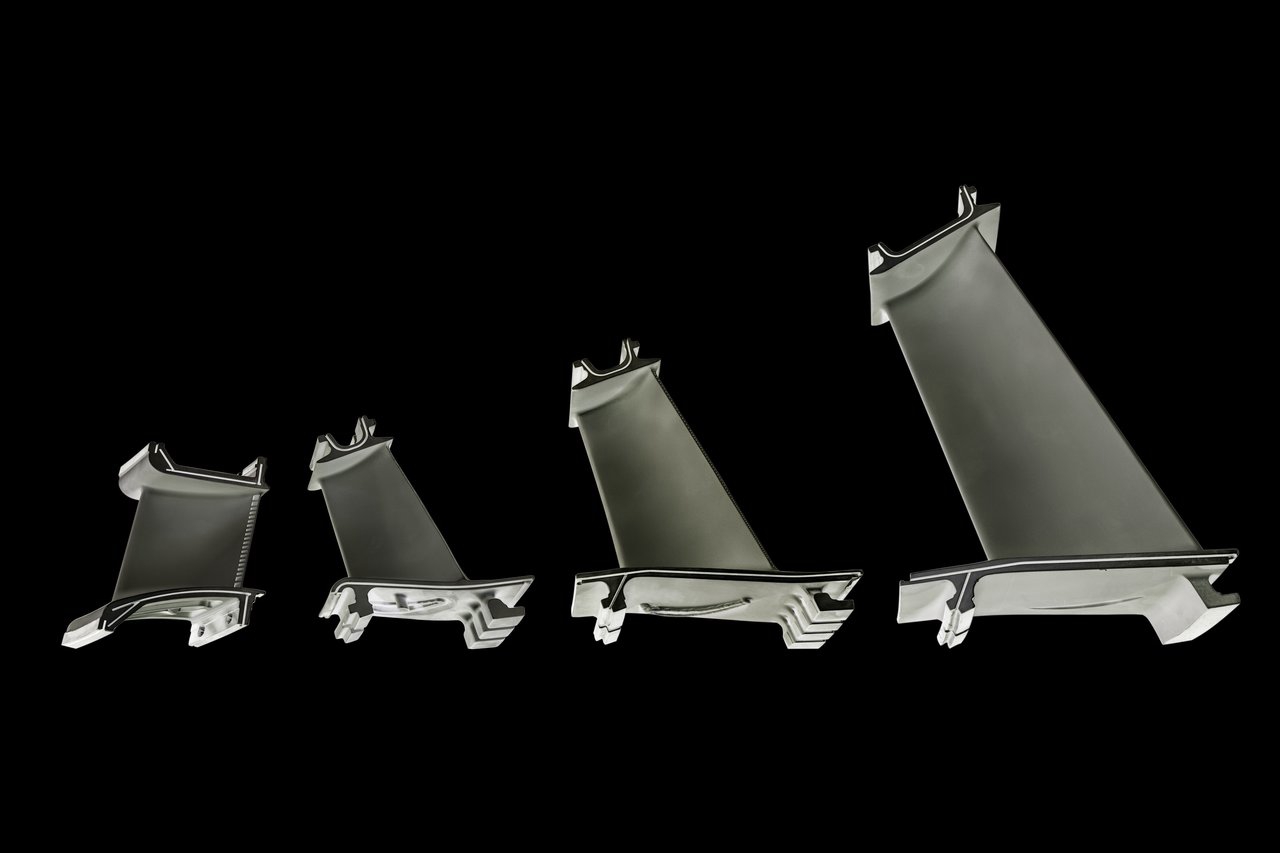
Single crystal casting exclusively utilizes advanced nickel-based superalloys, engineered with high levels of refractory elements (like Re, W, Ta) and aluminum/titanium for γ' precipitation strengthening. These alloys are developed to operate beyond the limits of equiaxed or directionally solidified materials, primarily in the hottest sections of gas turbines. Their composition is meticulously balanced to maximize high-temperature creep strength, oxidation resistance, and phase stability while maintaining a castable single crystal structure.
First and Second Generation Alloys
First-generation alloys, such as PWA 1480 and SRR 99, contain no rhenium (Re). They provided a foundational leap in temperature capability. Second-generation alloys, like CMSX-4 and PWA 1484, introduced approximately 3% Re, significantly enhancing creep resistance and allowing for higher engine operating temperatures and efficiencies.
Third and Later Generation Alloys
Third-generation alloys, including CMSX-10 and Rene N5, feature even higher Re content (around 6%) and often additions of ruthenium (Ru). This further pushes the temperature capability and creep life. Fourth and fifth-generation alloys are highly specialized, incorporating higher levels of ruthenium and other elements to optimize stability and resistance at extreme temperatures, represented by alloys like TMS-138 and TMS-196.
Industry Application and Selection
The selection of a specific single crystal alloy is driven by the engine's thermodynamic requirements and the component's specific location and stress profile. First-stage high-pressure turbine blades and vanes in modern aerospace and aviation engines typically use second or third-generation alloys. These components are prime candidates for subsequent thermal barrier coating (TBC) application. The development and use of these materials are central to partnerships with leaders like GE, pushing the boundaries of power generation and propulsion technology.