What are the Key Benefits of Using CMSX Alloys in Aerospace Components?
Superior High-Temperature Strength and Creep Resistance
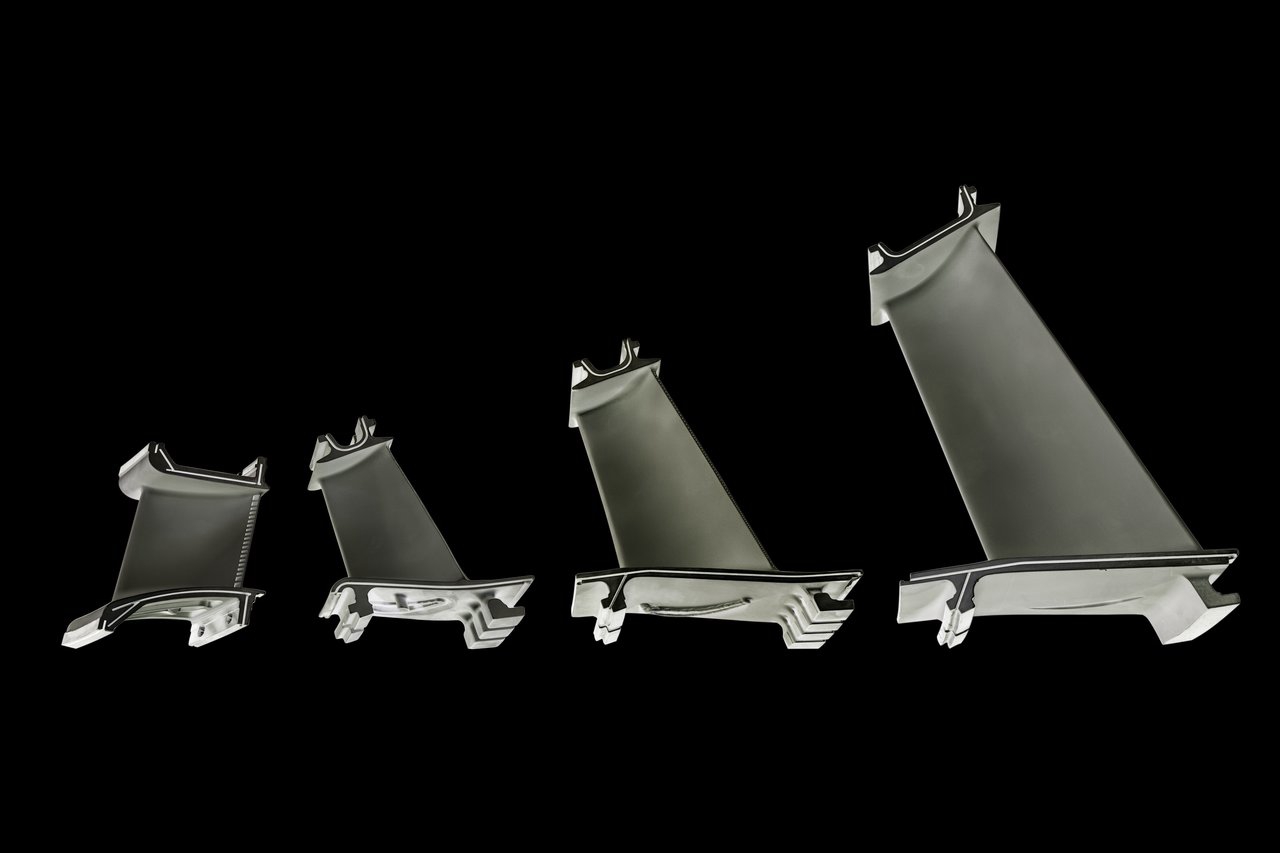
The foremost benefit of CMSX alloys, such as CMSX-4, in aerospace components is their exceptional high-temperature strength and creep resistance. As nickel-based single crystal superalloys, they are designed to retain structural integrity under extreme thermal and mechanical loads. This allows jet engines to operate at higher temperatures, directly increasing thermodynamic efficiency and thrust. This capability is critical for components like high-pressure turbine blades, where even a marginal increase in operating temperature translates to significant performance gains in aerospace and aviation propulsion systems.
Enhanced Thermal Fatigue and Oxidation Resistance
CMSX alloys offer outstanding resistance to thermal fatigue and oxidation. The single crystal structure eliminates grain boundaries, which are typical weak points for crack initiation under rapid thermal cycling. Combined with a tailored composition of aluminum and chromium, these alloys form a stable, adherent alumina/chromia scale that protects against oxidative and hot-corrosion degradation. This results in longer component lifespans, reduced maintenance intervals, and increased reliability for rotating parts exposed to harsh combustion environments.
Optimized Microstructure for Extreme Environments
The advanced single crystal casting process used for CMSX alloys creates a defect-free, oriented grain structure that maximizes the efficacy of the strengthening γ' precipitates. This controlled microstructure provides a unique balance of high-temperature tensile strength, low-cycle fatigue (LCF) life, and fracture toughness. This makes CMSX alloys indispensable for the most demanding applications, enabling the design of thinner airfoil sections and more efficient cooling geometries that further push performance boundaries.
Increased Engine Efficiency and Component Lifecycle
Utilizing CMSX alloys directly contributes to increased fuel efficiency and reduced emissions in modern gas turbine engines. Their ability to withstand higher temperatures allows for greater combustion efficiency. Furthermore, their durability extends the time between overhauls, lowering the total lifecycle cost. When processed with advanced post-treatments like Hot Isostatic Pressing (HIP) and Thermal Barrier Coating (TBC), the benefits are synergistic, leading to the reliable, high-performance components required by leading aerospace manufacturers, as evidenced in partnerships with firms like GE.