What are the best superalloys for tank assemblies in aerospace applications?
Critical Requirements for Aerospace Tank Assemblies
Aerospace tank assemblies must tolerate pressure fluctuations, cryogenic temperatures, fuel exposure, and rapid thermal transitions. The selected alloy must provide high strength-to-weight ratio, fatigue resistance, and chemical stability. Superalloys with enhanced grain orientation and controlled microstructure are particularly valuable when assembled for propellant systems and high-pressure reservoirs.
Nickel-Based Alloys for High Temperature and Oxidation Resistance
Nickel-based superalloys remain the primary choice for aerospace tank structures operating near heat sources. Alloys such as Inconel 718 and Inconel 625 offer excellent creep resistance, fatigue endurance, and corrosion protection even under aggressive fuel conditions. For long-term oxidation resistance and cryogenic capability, Inconel 600 is also used in auxiliary tank modules and heat-resistant brackets.
Single Crystal Alloys for High Stress Zones
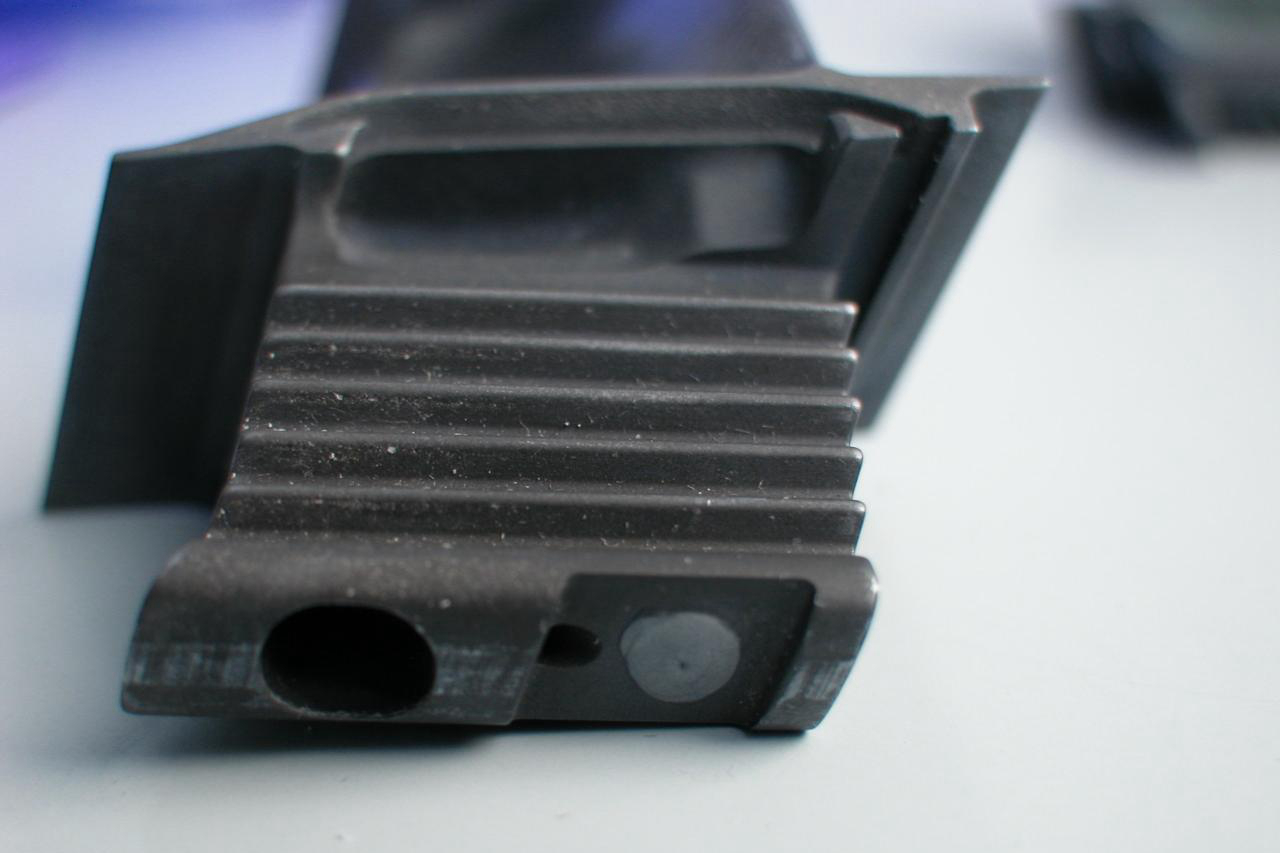
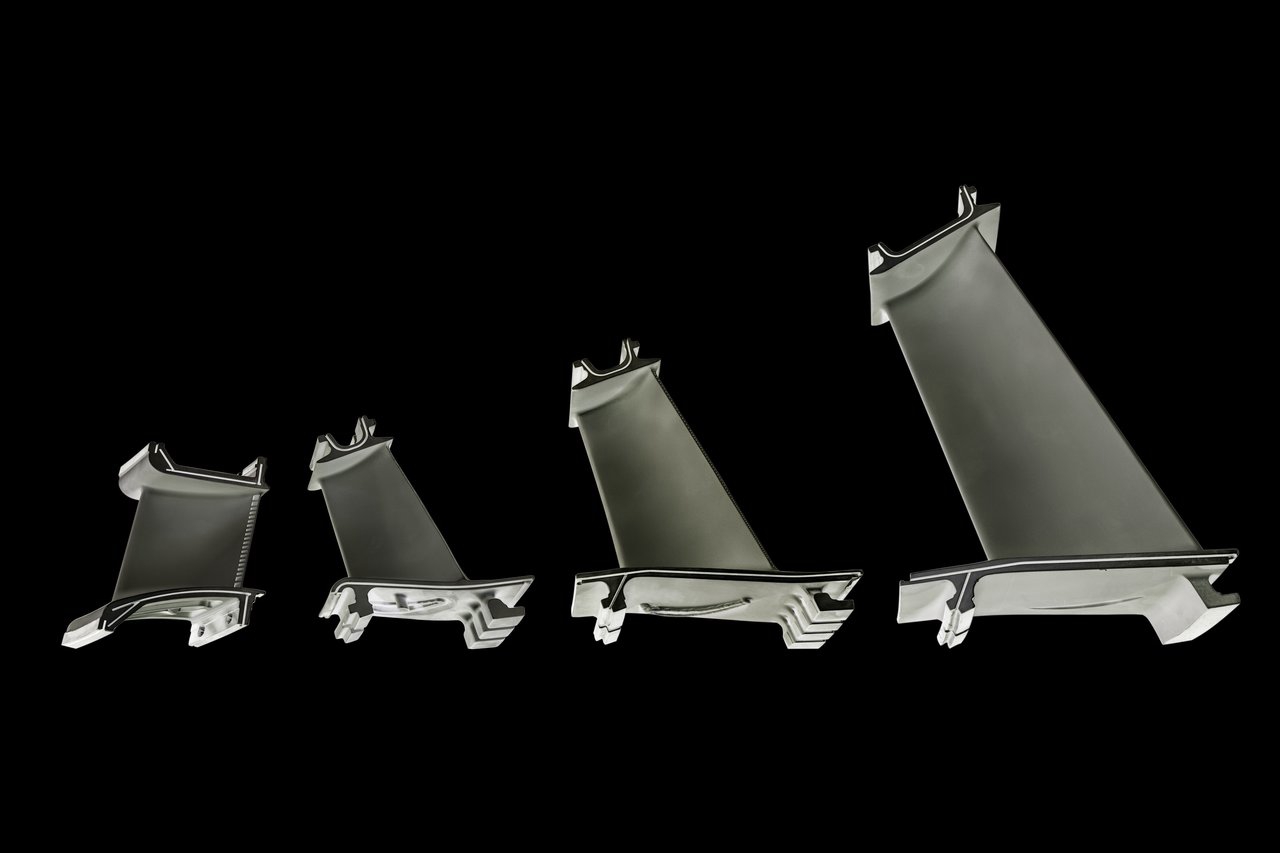
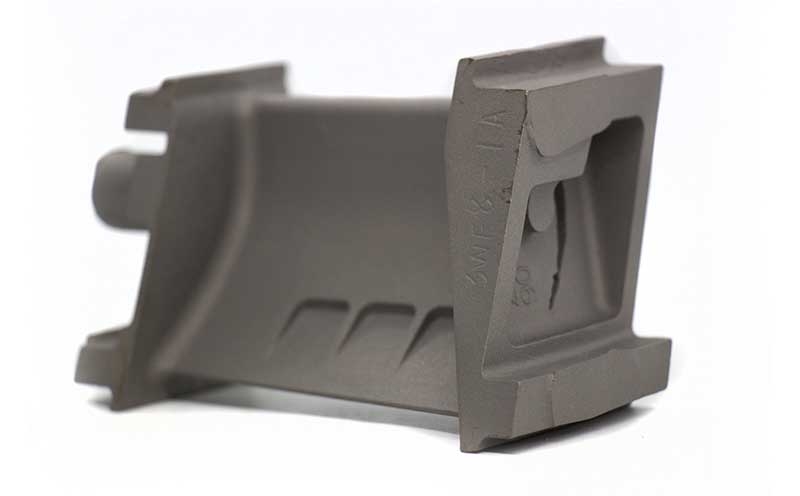
For tanks integrated with propulsion or high-pressure injection systems, microstructural uniformity is critical. Single-crystal alloys such as PWA 1484 and SC180 provide high temperature mechanical stability and superior resistance to grain-boundary cracking. Their ability to withstand extreme loading makes them suitable for integrated tank mounts and flow control features in aerospace and aviation propulsion systems.
Titanium-Based Alloys for Lightweight Structure
Where weight reduction is a priority—especially in fuel reservoirs and structural brackets—titanium alloys offer significant advantages. Grades such as Ti-6Al-4V (TC4) and high-performance Ti-5553 deliver strong tensile strength-to-weight ratios along with corrosion resistance in fuel-rich environments. These alloys are also compatible with precision finishing and orbital welding processes used in aerospace system integration.
Validation and Qualification Procedures
Regardless of alloy choice, aerospace tank assemblies undergo strict verification, including pressure cycling, material fatigue testing, and non-destructive inspections. Advanced assessment methods—similar to those applied in material testing and analysis—are used to ensure long-term durability. Functional endurance must also comply with regulatory standards before integration into flight-certified systems.