How Do HIP and Heat Treatment Enhance TMF Resistance in Turbine Blades?
Targeting the Root Causes of TMF Failure
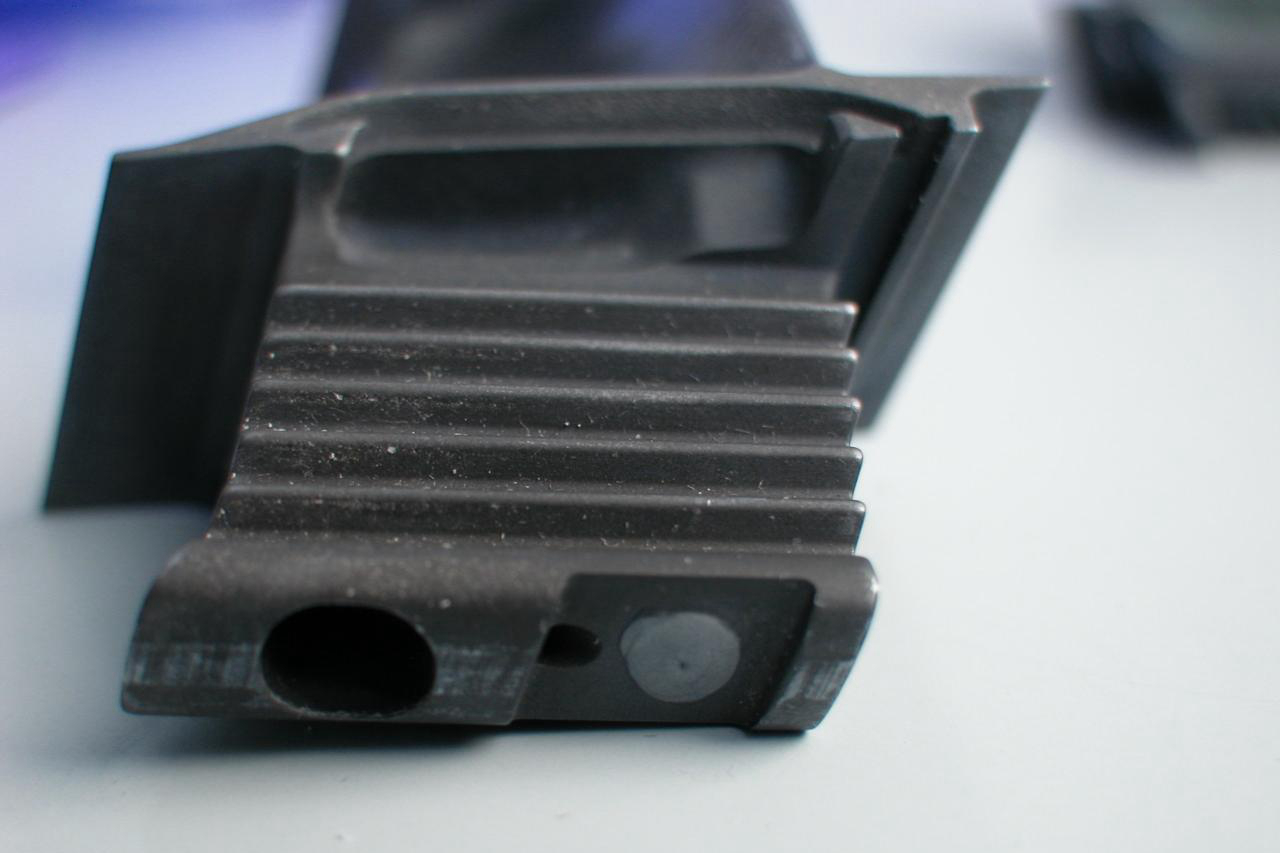
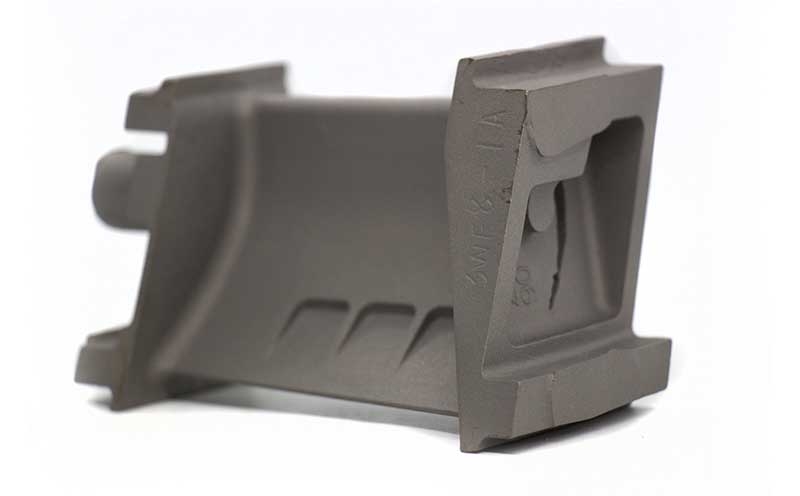
Thermo-mechanical fatigue (TMF) failure in turbine blades is driven by cyclic stresses from constrained thermal expansion and the degradation of material properties at high temperatures. HIP and heat treatment address complementary root causes: HIP eliminates physical defect initiators, while heat treatment optimizes the microstructure's inherent resistance to deformation and crack propagation. This combined approach is essential for components produced via vacuum investment casting or superalloy 3D printing, where internal discontinuities and suboptimal phases can form.
HIP Role: Eliminating Stress Concentrators
Hot Isostatic Pressing (HIP) directly enhances TMF life by removing the primary sites for crack initiation. The process subjects the component to high temperature and isostatic gas pressure, which plastically collapses internal porosity, heals microshrinkage, and seals non-interconnected voids. This densification has two major effects: it increases the load-bearing cross-sectional area and, more critically, removes sharp geometric stress concentrators. A pore-free matrix ensures that stress during thermal cycling is distributed uniformly, preventing the localized stress intensification that nucleates TMF cracks. This is especially crucial for the reliability of blades used in demanding aerospace and aviation engines.
Heat Treatment Role: Optimizing Microstructural Stability
While HIP improves physical integrity, heat treatment enhances the alloy's fundamental ability to withstand TMF-driven damage. For nickel-based superalloys, a standard treatment involves solutionizing followed by aging. Solutionizing dissolves undesirable secondary phases and homogenizes the matrix, while aging precipitates a fine, uniform dispersion of strengthening γ' phases (Ni₃Al, Ti). This optimized microstructure provides high yield strength at operating temperatures, reducing plastic strain amplitude during each thermal cycle. Furthermore, it stabilizes the grain structure (or single crystal orientation) against coarsening and rafting, maintaining creep and fatigue resistance over time. For a blade made of Inconel 718, proper aging is critical for developing its γ'' precipitates, which are key to its strength.
Synergistic Sequence and Performance Validation
The sequence of application is critical. HIP is typically performed first on the as-cast or as-built part to heal defects. Heat treatment then follows to develop the optimal microstructure in the now-densified material. This sequence prevents the re-opening of voids during high-temperature solution treatment. The performance gain is validated through specialized material testing and analysis, including TMF-specific rig tests that replicate engine temperature-strain cycles. Metallographic analysis post-testing confirms the absence of defect-initiated cracks and reveals a stable, refined microstructure, proving the efficacy of the combined treatment for applications in power generation turbines.
Integration with Design and Finishing
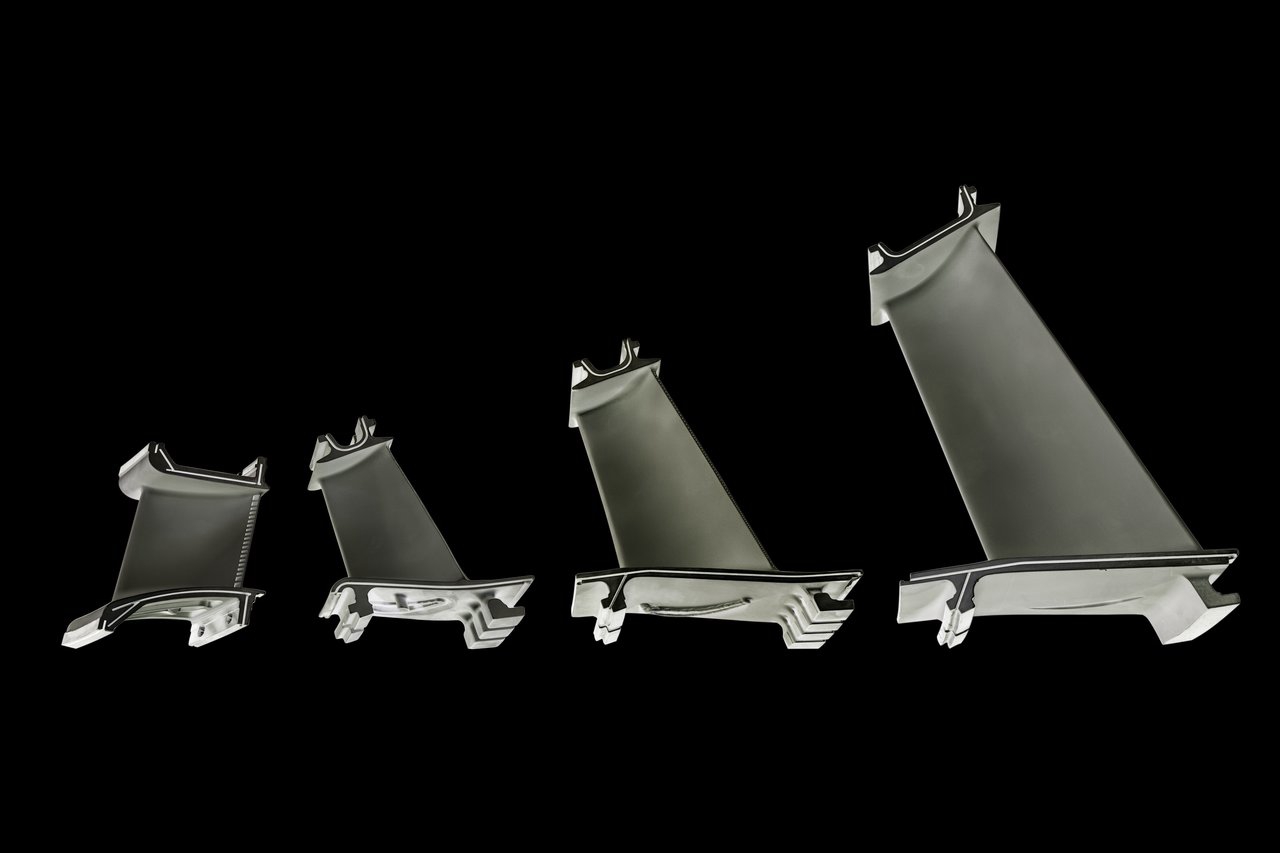
The benefits of HIP and heat treatment are fully realized when integrated with design and precision finishing. For instance, internal features like cooling channels, created via deep hole drilling, benefit from HIP's ability to smooth surface-connected porosity. Subsequent CNC machining after heat treatment achieves final dimensions on the stabilized, strengthened component, ensuring it can endure the complex stress state of TMF throughout its service life.