What is the role of powder metallurgy in manufacturing these fixtures?
Introduction to Powder Metallurgy for Superalloy Fixtures
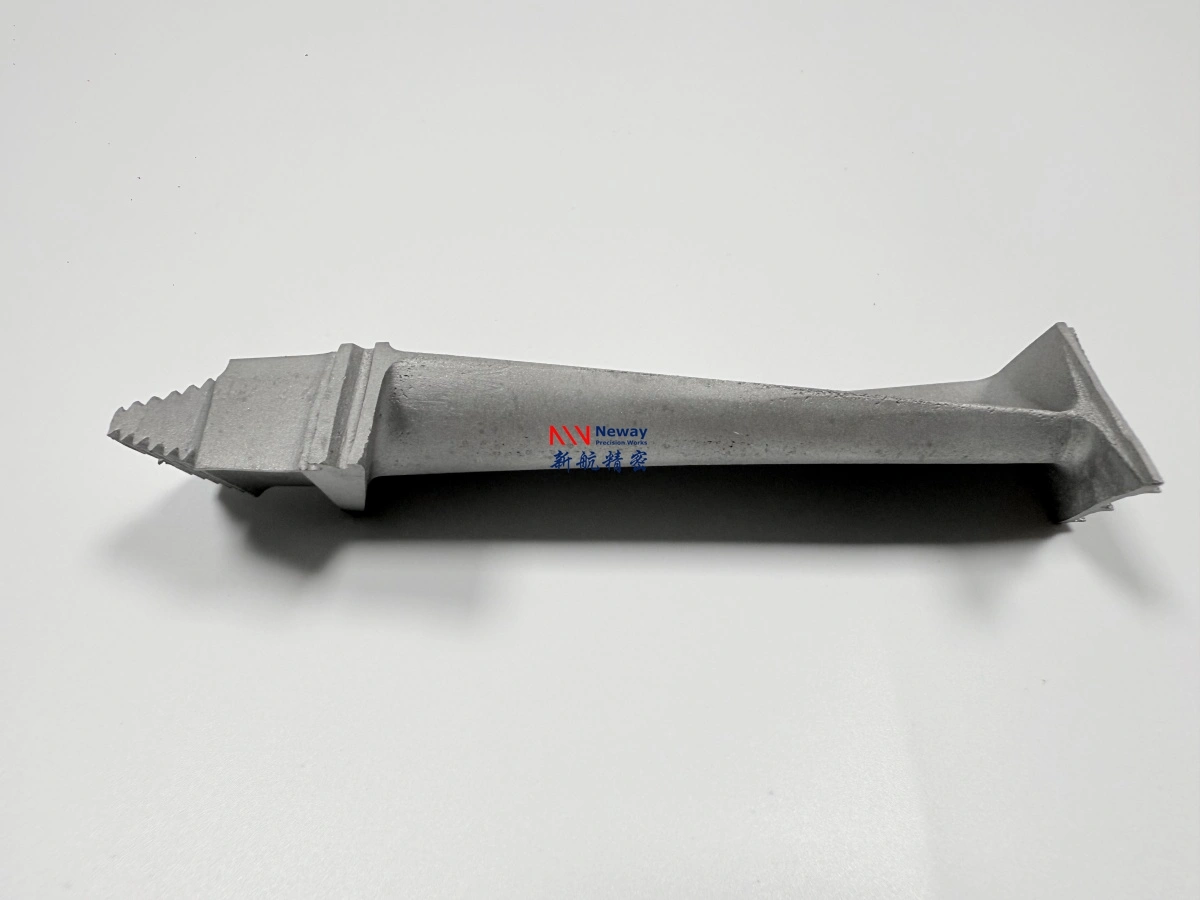
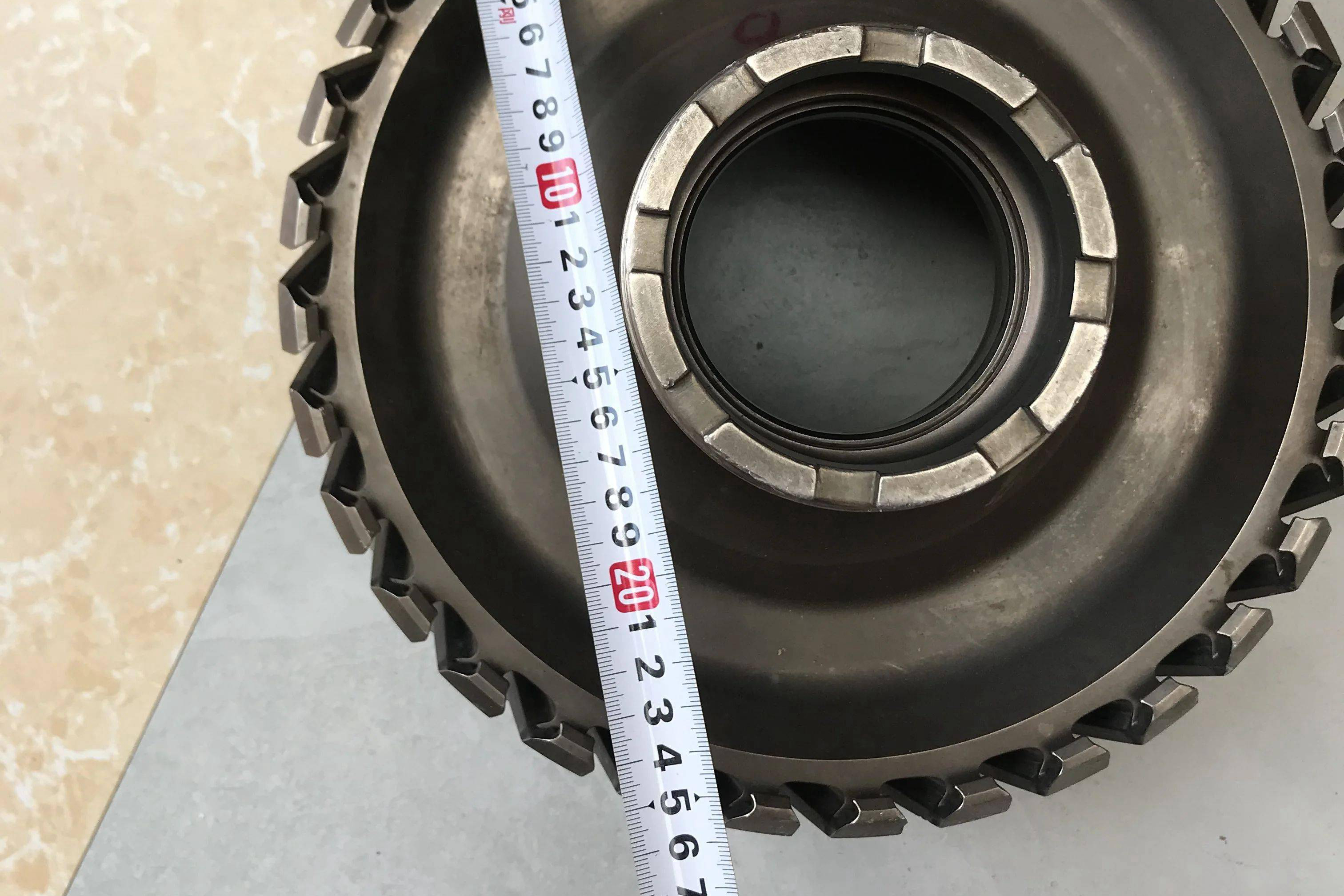
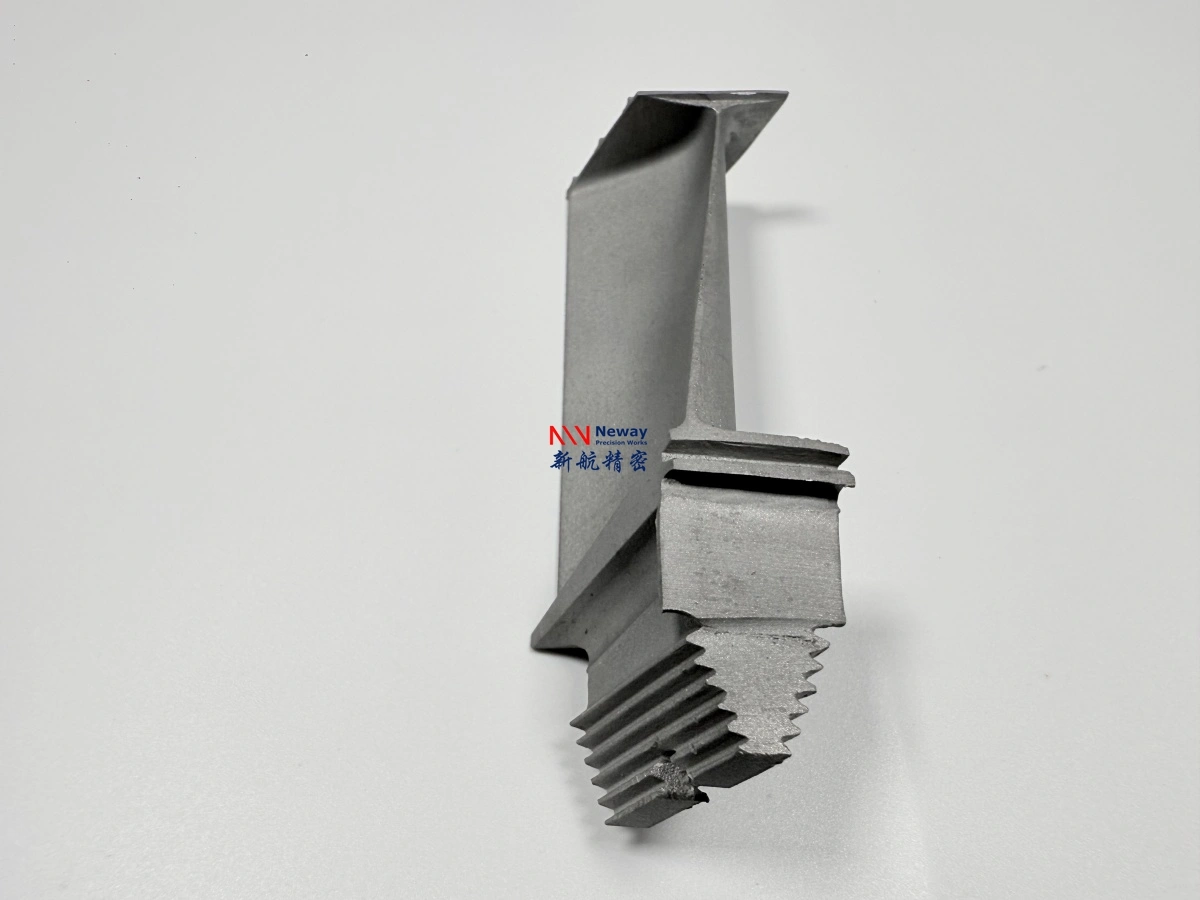
Powder metallurgy (PM) is a core technology for producing complex, high-performance superalloy fixtures used in aerospace, energy, and oilfield applications. In contrast to conventional casting or forging, the powder metallurgy turbine disc process consolidates fine metal powders through hot isostatic pressing or sintering, achieving near-theoretical density and excellent microstructural uniformity. This method enables the manufacturing of fixtures with precise dimensional stability and exceptional fatigue strength—essential for holding components during high-temperature or corrosive processing cycles.
Microstructural Advantages and Alloy Uniformity
The fine, homogeneous microstructure of PM superalloys, such as FGH96 and FGH97, results in a uniform grain distribution, eliminating segregation that is typical in cast products. This microstructural control ensures improved creep resistance and oxidation stability, making these materials ideal for fixtures that experience sustained exposure to elevated temperatures during vacuum investment casting or directional solidification processes.
Strength, Durability, and Post-Processing Compatibility
Fixtures produced from powder metallurgy superalloys maintain strength and dimensional accuracy during long-term service in demanding environments. When combined with hot isostatic pressing (HIP), porosity is virtually eliminated, further enhancing fatigue resistance and structural reliability. Subsequent heat treatment optimizes phase distribution and hardness, while superalloy CNC machining allows precision finishing of intricate fixture geometries. To protect surfaces from thermal cycling or oxidation, thermal barrier coatings can be applied.
Material Selection and Application Environments
PM enables the use of specialized alloys, such as Inconel 718, Rene 95, and Nimonic 263, which retain high tensile strength and oxidation resistance even at temperatures of 800–1000°C. Titanium alloys such as Ti-6Al-4V also find use in lightweight, non-magnetic fixtures for clean processing conditions. These materials ensure reliability when used in critical industries such as aerospace and aviation, power generation, and oil and gas.
Sustainability and Manufacturing Efficiency
Powder metallurgy minimizes material waste by achieving near-net-shape parts, reducing the need for extensive machining. This not only lowers production costs but also aligns with the sustainability goals of advanced manufacturers. The ability to recycle metal powders and maintain precise control of alloy composition contributes to both economic and environmental efficiency.
In summary, powder metallurgy enables the production of high-strength, thermally stable, and corrosion-resistant fixtures essential for the precision manufacturing of superalloy components. It ensures microstructural consistency, extended service life, and design freedom unmatched by conventional forming processes.