What are the key advantages of FDM for low-cost prototyping?
Cost Efficiency and Material Accessibility
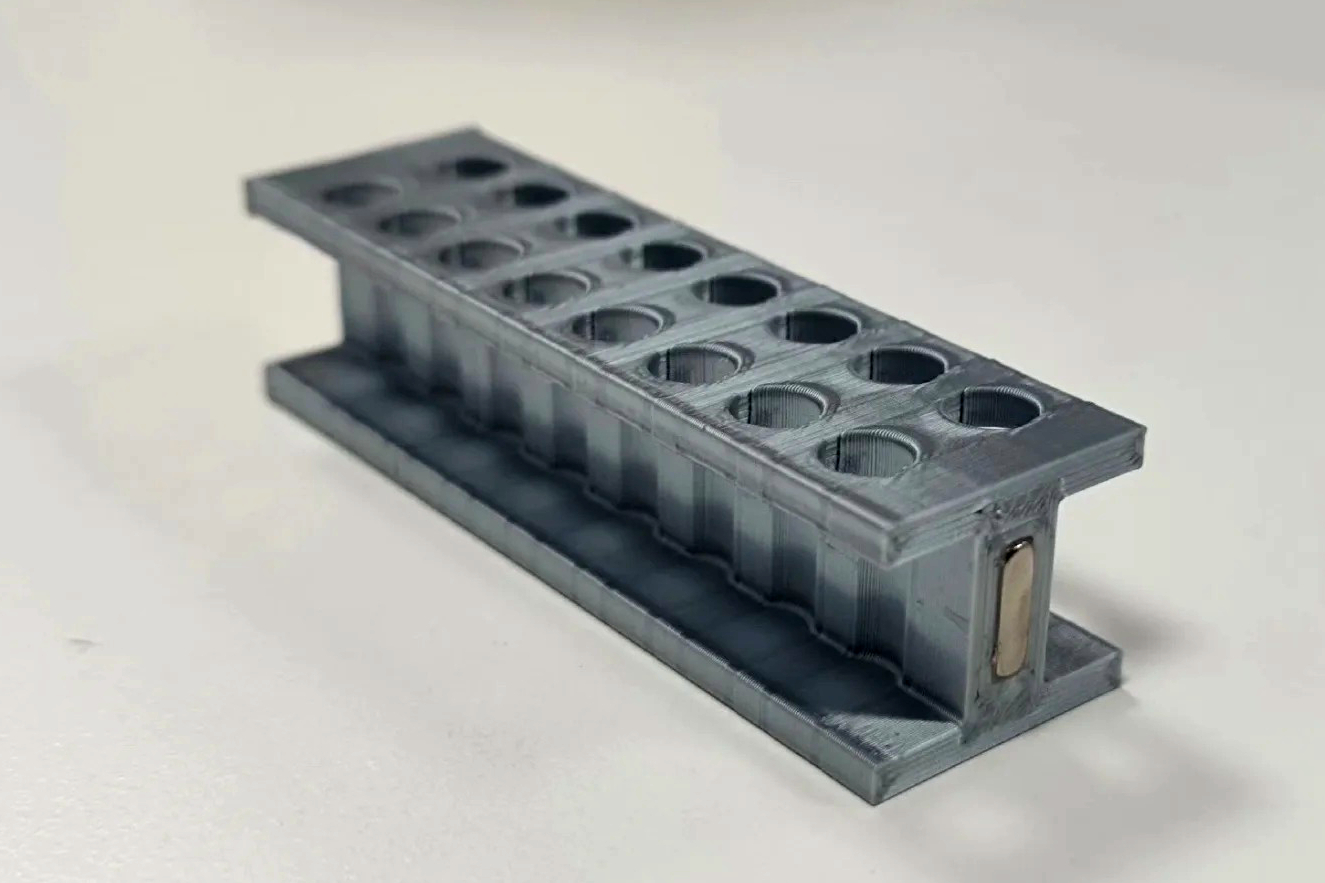
Fused Deposition Modeling (FDM) is widely adopted for low-cost prototyping because it uses affordable thermoplastic filaments such as PLA, ABS, and PETG. These materials are inexpensive, readily available, and easy to process, which significantly reduces the overall cost of design iteration. For early-stage concept models, ergonomic studies, and functional mockups, FDM delivers a practical balance between budget and usability. Its low operating cost makes it ideal for rapid cycles of design–print–evaluate without financial constraints.
Simplicity, Speed, and Ease of Use
FDM systems are straightforward to set up and operate, allowing engineers and designers to generate prototypes quickly without specialized training. Layer-by-layer extrusion is reliable and predictable, enabling fast turnaround times for basic parts. This simplicity is beneficial in sectors that require frequent geometry adjustments, such as consumer electronics, automotive interiors, and mechanical device housings. When combined with professional plastic 3D printing workflows, FDM provides both speed and flexibility for iterative development.
Wide Design Flexibility and Functional Testing
FDM supports a broad range of prototype requirements, from simple geometric models to functional parts capable of mechanical testing. Engineering-grade filaments—such as ABS for strength, PETG for impact resistance, and TPU for flexibility—enable prototypes that replicate end-use behavior at minimal cost. This versatility allows teams to evaluate fit, assembly interfaces, kinematic mechanisms, and user interaction early in the product cycle. Because FDM can produce relatively large parts at low expense, it is also well suited for jigs, fixtures, and low-load functional tools.