How does FDM differ from SLA and SLS in materials and cost?
Material Differences
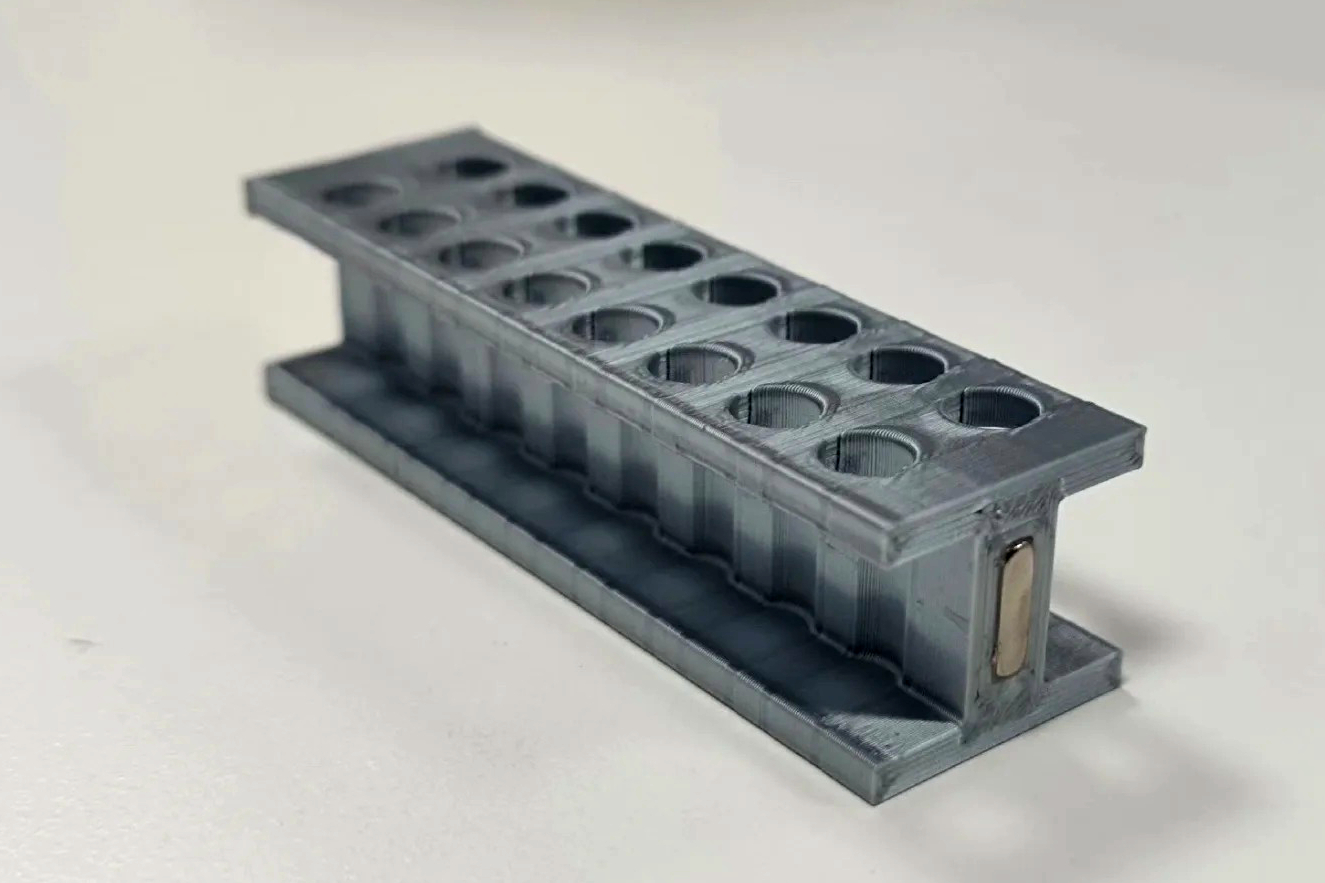
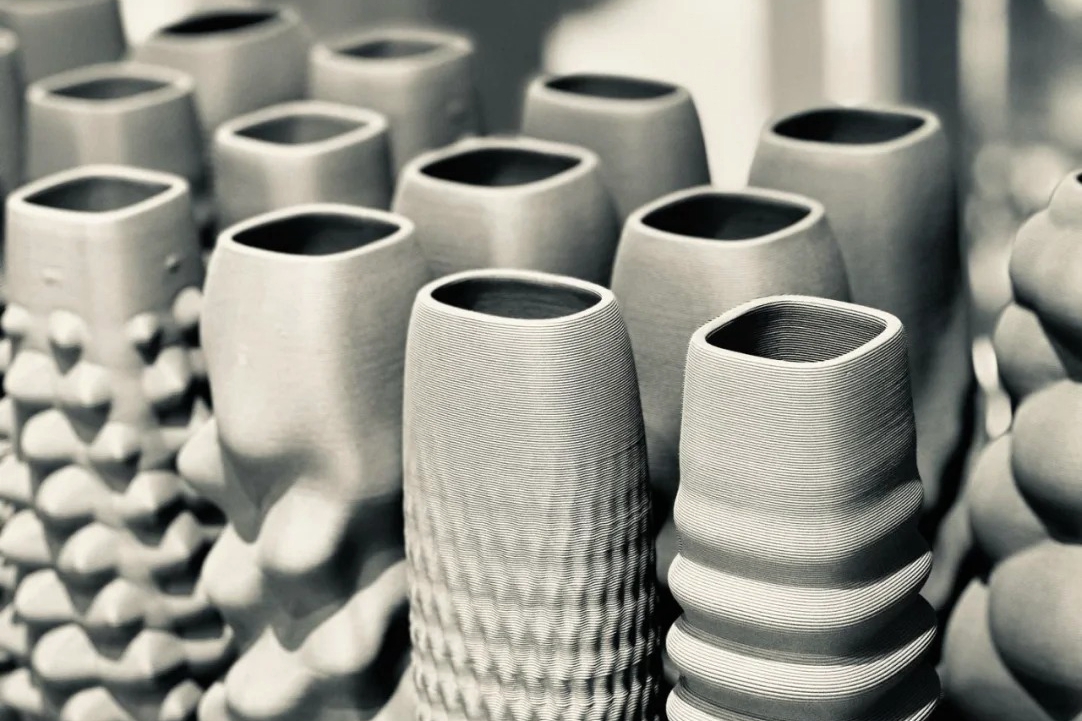
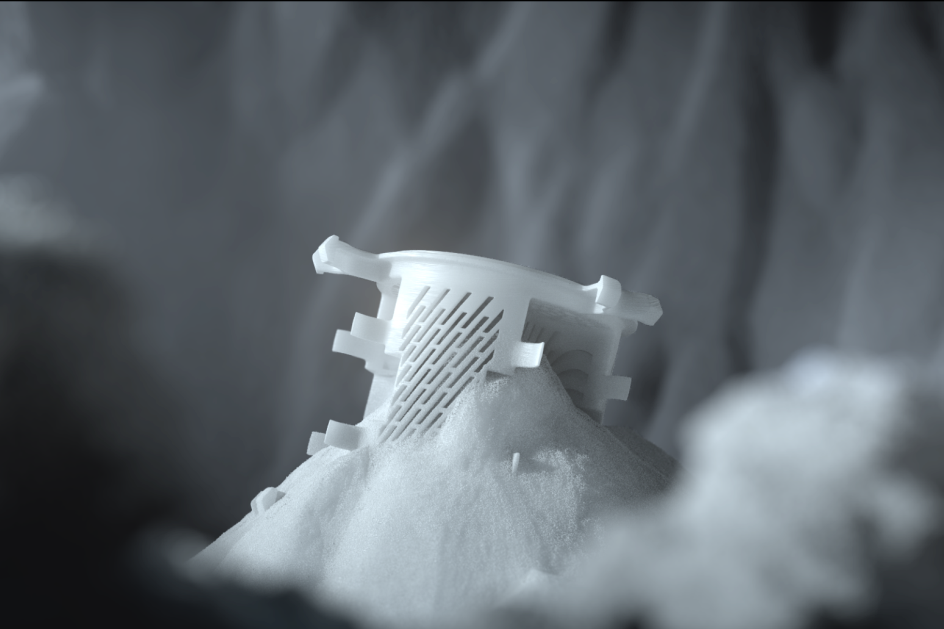
Fused Deposition Modeling (FDM) primarily uses thermoplastic filaments such as PLA, ABS, PETG, and TPU. These materials are affordable, easy to store, and suitable for basic functional prototypes. In contrast, Stereolithography (SLA) uses photopolymer resins that provide extremely fine detail and smooth surfaces but are more brittle and sensitive to UV exposure. Selective Laser Sintering (SLS) utilizes polymer powders—mainly PA12, PA11, and engineering blends—offering superior mechanical strength and no support structures. Compared with SLA’s high-resolution resins and SLS’s robust nylon powders, FDM materials offer lower resolution but significantly lower cost and greater day-to-day accessibility.
Cost Comparison and Production Efficiency
FDM is the most cost-effective technology among the three. The equipment, filaments, and maintenance costs are far lower than SLA and SLS systems, making it ideal for budget-sensitive prototyping. SLA introduces higher operating costs due to resin pricing and post-curing requirements. SLS is generally the most expensive, driven by industrial-grade powder materials, high-power lasers, and controlled build environments. For low-cost conceptual models or large prototypes, FDM remains the most economical choice, while SLA and SLS are selected when superior detail or mechanical performance is required.
Application Impact
Due to its affordability, FDM is widely used for early-stage design iterations, ergonomic studies, and fit testing. SLA is preferred for highly detailed cosmetic models, micro-feature evaluation, and precision engineering components, supported by professional plastic 3D printing workflows. SLS excels in functional prototypes and small-batch production requiring strong, isotropic parts, including brackets, housings, and mechanical assemblies. Understanding the materials and cost differences allows engineers to select the most suitable technology for each development stage.