Why is prototyping important in the development of jet engine components?
Design Validation and Geometric Optimization
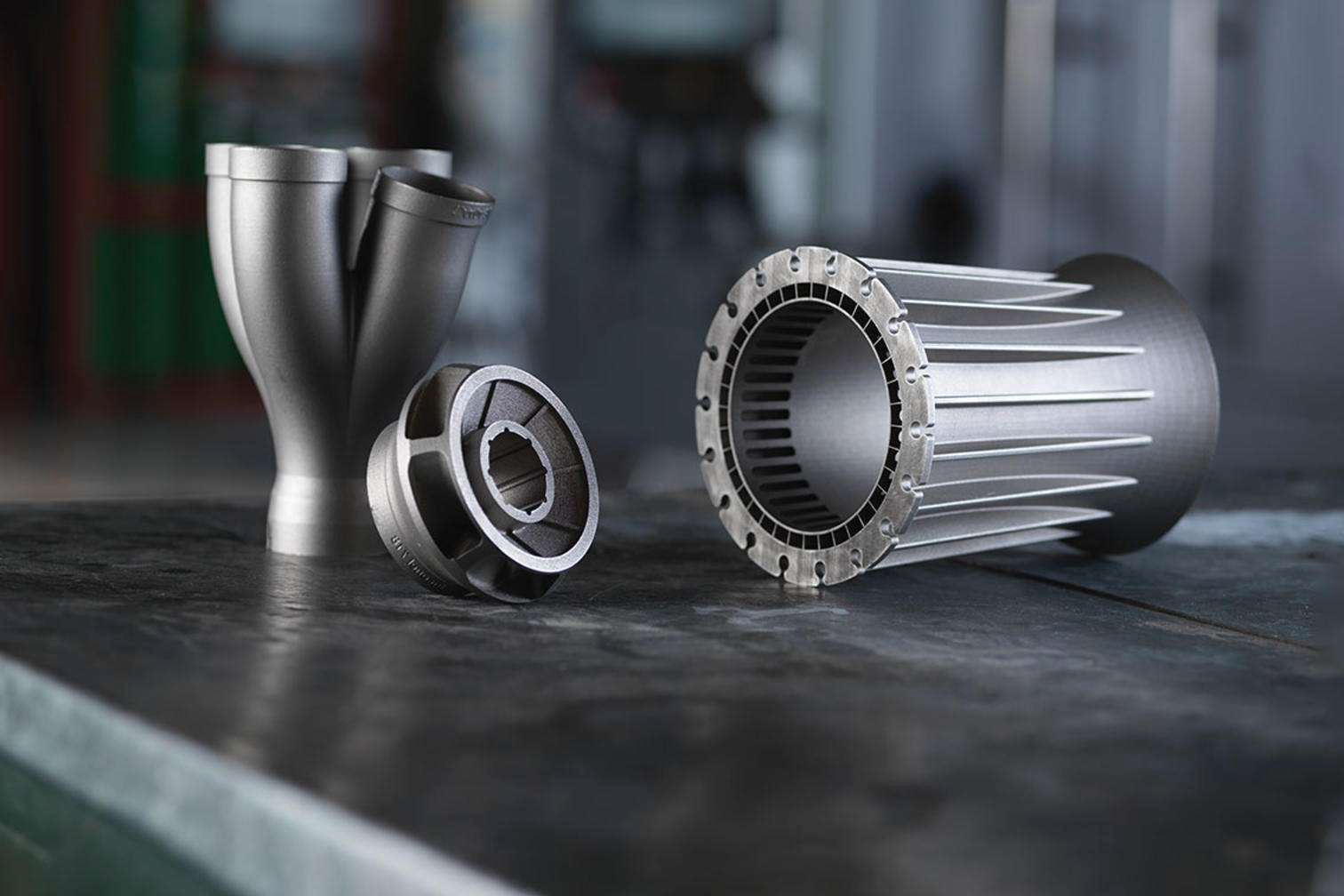
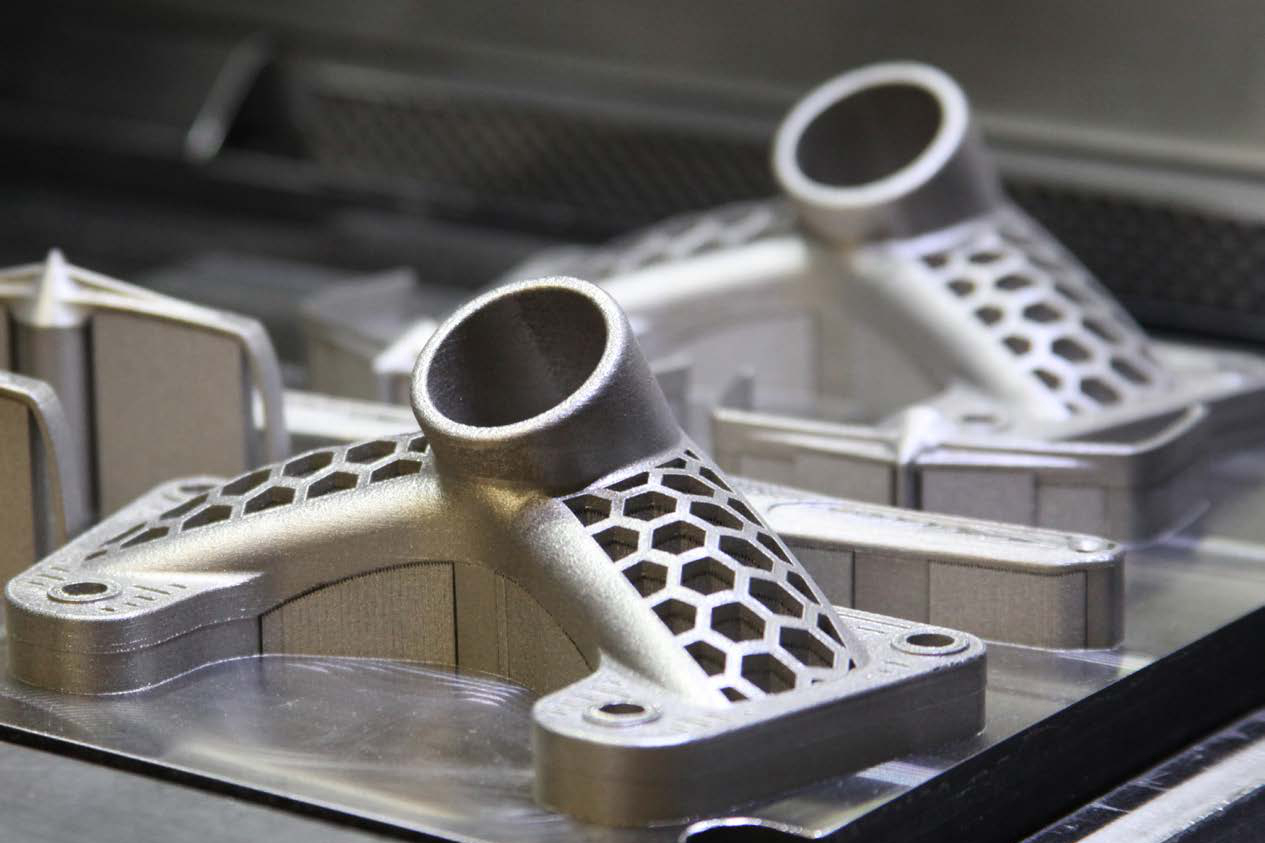
Jet engine components feature complex airfoil geometries, internal cooling channels, and weight-optimized structures. Prototyping enables engineers to verify the accuracy of their design, flow performance, and stress distribution before committing to full-scale production. Using methods such as superalloy cnc machining or additive manufacturing, prototypes allow real-time evaluation of dimensional fit and structural integrity in simulated operating conditions.
Material Evaluation and Performance Testing
Different superalloys are validated through prototyping to determine their resistance to fatigue, oxidation, and thermal creep. High-performance materials such as Inconel 939 or single-crystal grades like PWA 1484 are evaluated for suitability in specific turbine zones. Laboratory testing and flight-condition simulations help determine their long-term reliability.
Validation of Manufacturing Processes
Prototyping is essential to test the feasibility of manufacturing technologies such as vacuum investment casting, directional casting, or powder metallurgy. Prototypes verify whether microstructure control, grain orientation, and dimensional accuracy can be achieved consistently before scaling to production. They also help assess tool wear, cycle time, and material waste.
Risk Reduction and Certification Preparation
Jet engine components must meet strict aerospace standards. Prototyping reduces the risk of field failure by enabling non-destructive testing, metallurgical assessment, and stress analysis ahead of certification. Critical assemblies may also undergo hot isostatic pressing (HIP), functional testing, and validation to comply with aerospace reliability requirements before being approved for flight.